
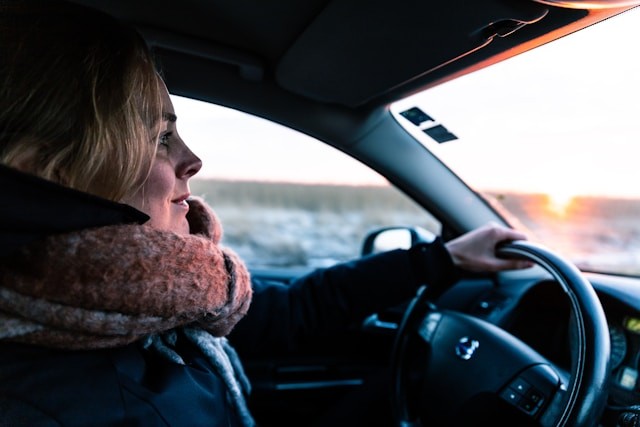
Winter driving presents unique hazards, from black ice to heavy snow, demanding preparation and skill to ensure safety. Ignoring these risks isn’t just reckless – weather-related crashes account for over 1,300 deaths and 116,800 injuries annually, making it a significant public safety concern. This guide outlines essential steps to navigate winter conditions confidently.
Vehicle Preparation: The First Line of Defense
Before hitting the road, ensure your vehicle is mechanically sound and equipped for harsh weather. This isn’t merely preventative maintenance; it’s a necessity.
- Visibility: Maximize visibility by ensuring headlights, taillights, and brake lights are functional. Check high beams (350ft range) and low beams (200ft range). Install new wipers and use winter-grade washer fluid to avoid freezing. Clear all snow and ice from the vehicle to prevent hazards for other drivers.
- Battery Health: Cold temperatures weaken batteries. Get yours professionally tested and consider longer drives (30+ minutes) to maintain charge. Turn off unnecessary accessories before starting to reduce strain.
- Tire Traction: Tread depth is critical; use the “Lincoln head test” to check wear. Maintain proper PSI (check the driver’s door sticker). Winter tires offer superior grip on snow and ice, significantly reducing skidding risk.
- Brake Inspection: Ensure brake fluid levels are optimal and schedule routine checks. Listen for warning signs like squealing or a soft pedal.
Driver Wellness: Staying Alert Behind the Wheel
Fatigue is a major factor in road accidents. 21% of fatal crashes involve drowsy drivers, a risk amplified by shorter winter days.
- Prioritize rest. Pull over if you experience heavy eyelids, yawning, or difficulty focusing.
- Minimize distractions. Program GPS and silence phones before driving.
- Maintain constant awareness. Scan for black ice and observe other vehicles’ movements.
Mastering Winter Driving Techniques
Adjusting driving habits is crucial. 24% of weather-related crashes occur on icy/snowy surfaces.
- Drive slowly and cautiously.
- Increase following distance to 8-10 seconds.
- Accelerate gently to avoid wheelspin.
- Brake well in advance.
- Steer smoothly and deliberately.
- Avoid complacency; maintain slow speeds even with clear visibility.
Emergency Preparation: The ‘Go-Bag’
Unexpected situations happen. A well-stocked emergency kit can be life-saving. Include:
- Ice scraper & snow brush
- Shovel
- Sand or cat litter (for traction)
- Jumper cables
- Flashlight & batteries
- Road flares/triangles
- Warm blankets, hats, and gloves
- Power bank
- Non-perishable snacks & water
Safe winter driving requires a proactive approach. A prepared vehicle, a focused driver, adjusted techniques, and emergency supplies aren’t just suggestions; they’re essential for protecting yourself and others on the road.