The global incidence of breast cancer is climbing, prompting a critical re-evaluation of prevention strategies. While early detection remains the standard for reducing mortality, a growing body of evidence suggests that primary prevention —identifying and mitigating specific risk factors—could be far more effective. One emerging hypothesis points to an infectious agent: Bovine Leukemia Virus (BLV).
Recent estimates suggest that as many as 37% of breast cancer cases may be attributable to exposure to this virus. This shifts the conversation from purely genetic or lifestyle factors to the potential role of zoonotic diseases in human oncology.
The Infectious Origin of Cancer
Approximately 20% of all human cancers have an infectious origin. Viruses can trigger malignancy through several mechanisms:
* Activating oncogenes (genes that promote cell growth).
* Inactivating tumor suppressor genes.
* Inducing chronic inflammation, which creates a conducive environment for tumor formation.
Among these, viral etiology is currently considered the most plausible direct cause for human breast cancer. The pivotal insight into this possibility emerged roughly 40 years ago, inspired by research on mammary tumors in mice. Scientists discovered that when mouse pups were fostered by mothers with high cancer rates, the pups developed cancer at similar rates, regardless of their biological lineage. This demonstrated that the cause was environmental—specifically transmitted through milk—rather than genetic.
A virology professor at UC Berkeley extrapolated this finding to humans, noting that humans are effectively “foster nursed” by cows through the consumption of dairy. This analogy laid the groundwork for investigating BLV, a virus known to cause cancer in cattle.
The Proliferation of BLV in Dairy Herds
The prevalence of BLV in the United States has surged dramatically over the last few decades.
* 40 years ago: Only about 10% of U.S. dairy cows were infected.
* Today: Nearly 50% of individual cows and over 94% of U.S. herds are affected.
In large industrial farms, infection rates have historically reached 100% of herds. The virus is pervasive, found in beef and dairy products, on farm surfaces, and even in the air of dairy facilities. While pasteurization reduces viral load, it does not eliminate all risks, particularly with raw or aged cheeses and undercooked meats (such as medium-rare hamburgers), which remain common dietary staples.
Linking Dairy Consumption to Cancer Risk
Epidemiological data has long shown a correlation between high milk consumption and increased breast cancer incidence. However, recent findings suggest the link may be more specific than just general dairy intake:
* Lactose Intolerance: Women who are lactose intolerant and consequently consume less dairy appear to have a decreased risk of breast cancer.
* Confounding Factors: Milk contains other potential risk factors, including saturated fats and insulin-like growth factor 1 (IGF-1), a hormone that can promote cell proliferation.
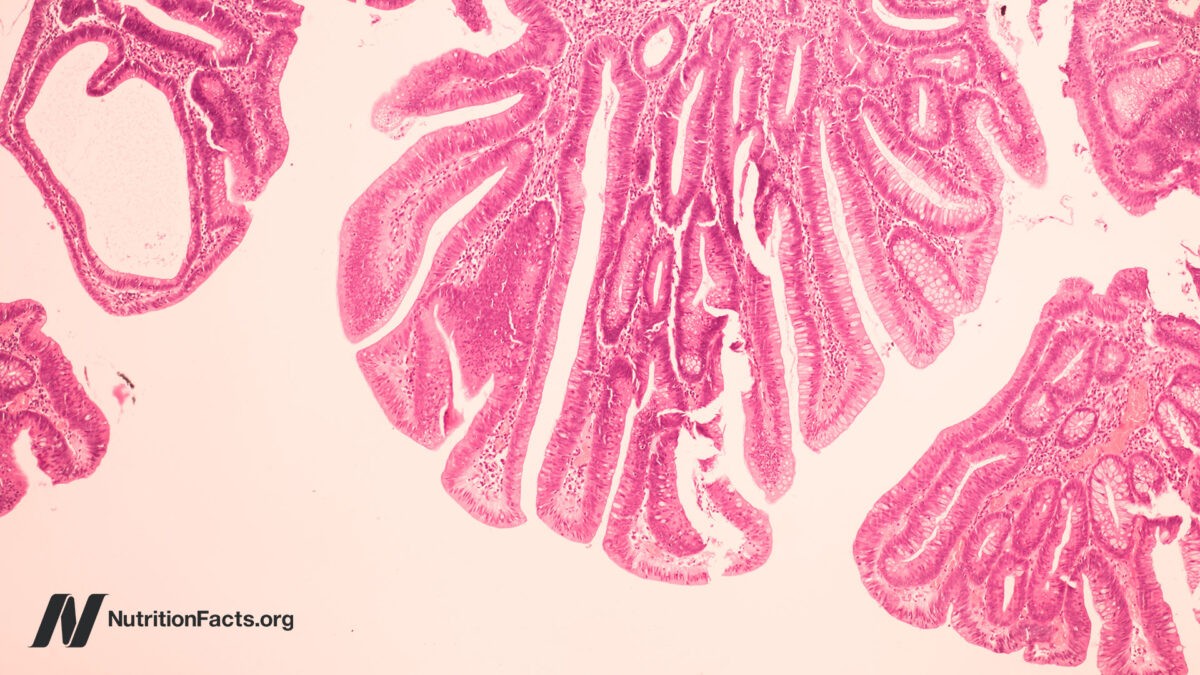
However, the discovery that BLV DNA is present in human blood and, crucially, at significantly higher rates in cancerous breast tissue than in healthy tissue, points toward the virus as a primary driver rather than a mere bystander.
Why This Matters: Beyond Biology
The identification of BLV as a potential cause of breast cancer raises significant questions about public health policy and industry transparency.
* Prevention Potential: If BLV is a causal factor, reducing exposure through dietary changes or improved agricultural practices could prevent thousands of cases.
* Industry Response: The meat and dairy industries have faced scrutiny regarding how they have addressed these findings. Understanding the historical context of BLV proliferation helps explain why the virus remains so prevalent in the food supply.
* Future Research: Continued investigation into the mechanisms of BLV-induced cancer could lead to new diagnostic tools and targeted therapies.
Key Takeaway: The rising incidence of breast cancer may be partially linked to an infectious agent found in the food supply. While lifestyle factors and genetics play a role, the evidence for Bovine Leukemia Virus as a significant contributor underscores the need for a broader approach to cancer prevention—one that considers environmental and dietary exposures.
Conclusion
The hypothesis that Bovine Leukemia Virus contributes to human breast cancer challenges traditional views of oncology by highlighting the intersection of agriculture, diet, and disease. As BLV becomes increasingly prevalent in dairy herds and detectable in human tissue, the scientific community is urged to prioritize research into its specific mechanisms. Ultimately, understanding this link could shift the paradigm from treating cancer to preventing it at its source.