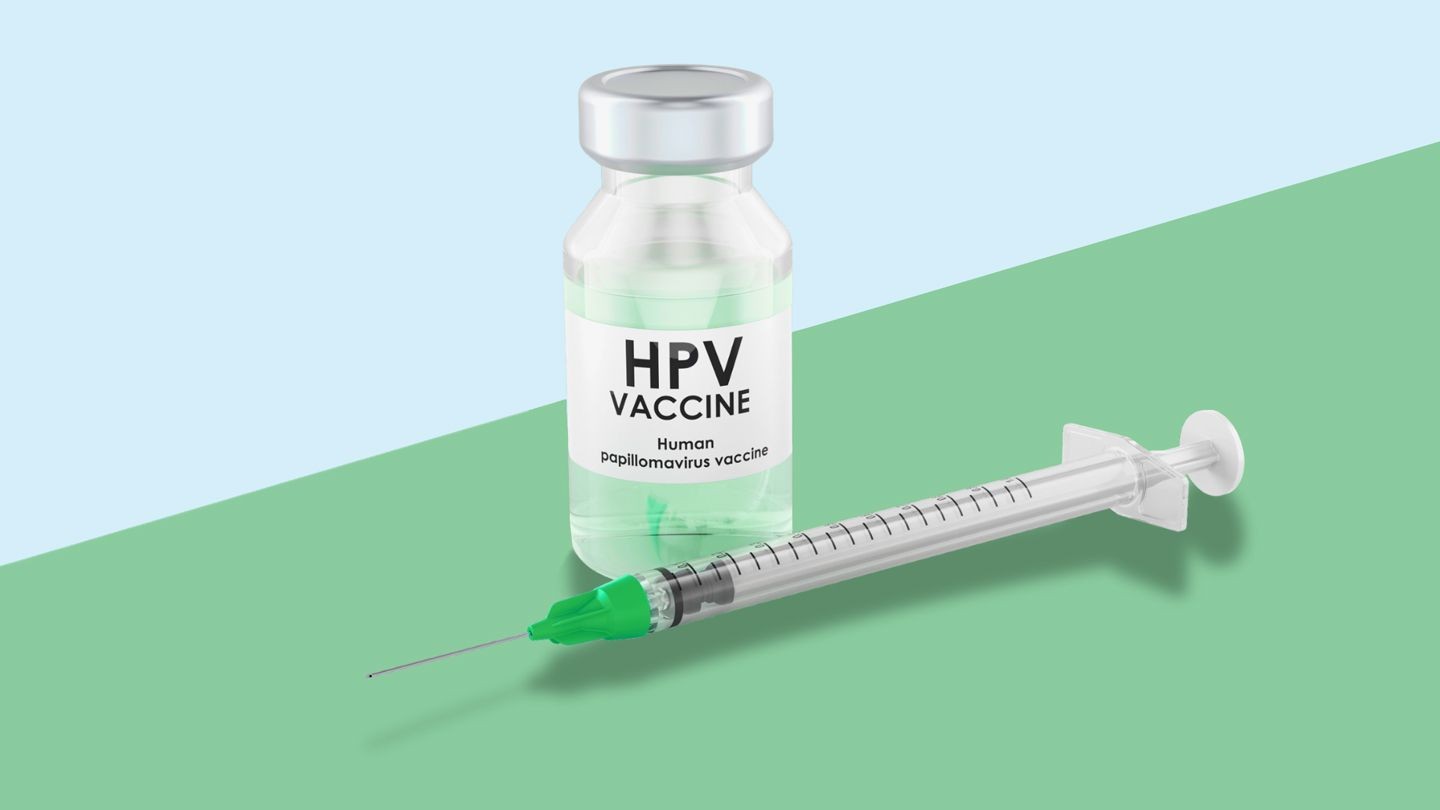
Human papillomavirus (HPV) vaccination isn’t limited to teenagers and young adults. While early vaccination is ideal, many adults are unaware they may still benefit from protection later in life. The U.S. Food and Drug Administration (FDA) now approves the vaccine for adults aged 27 to 45, under a shared decision-making model where you discuss the benefits with your doctor.
Since 2019, vaccination rates among this age group have increased, demonstrating growing awareness of the continued value of HPV protection. If you missed routine vaccination, you may still be able to protect yourself against future infection and HPV-related cancers.
Why Adult HPV Vaccination Matters
HPV is the most common sexually transmitted infection in the United States. Nearly everyone sexually active will encounter HPV at some point. While most infections clear on their own, some persist and can lead to cancer. Each year in the U.S., HPV causes approximately:
- 11,000 cases of cervical cancer
- 7,000 cases of anal cancer
- 15,000 cases of mouth and throat cancer (head and neck cancer)
- Numerous additional cases of vaginal, vulvar, and penile cancers
The Gardasil 9 vaccine protects against seven high-risk HPV types responsible for most of these cancers, plus two types causing genital warts. Even if sexually active for years, you may not have been exposed to all strains covered by the vaccine, meaning protection is still possible in your 30s or 40s.
For adults in new relationships or those at risk of future exposure, vaccination can prevent infections that might otherwise develop into cancer years later.
Is Vaccination Right for You?
Research confirms HPV vaccination is safe and effective even later in life. However, it’s not a one-size-fits-all recommendation. You and your doctor should discuss the potential benefits and limitations based on your individual circumstances.
As Dr. Jessica S. Wells of Emory University notes, life changes – such as starting a new relationship after a divorce – often prompt reevaluation of health needs. Patients who discuss these shifts with their doctors can explore how to stay protected, including through HPV vaccination.
Clinicians may not automatically offer the vaccine to older adults, so it’s often necessary to initiate the conversation. However, if you ask, your doctor will guide you through whether it remains beneficial.
Taking the First Step
If you’re considering HPV vaccination, here’s how to learn more:
- Explore resources: Use a free HPV vaccine decision tool, such as the one developed by The University of Texas School of Public Health, to evaluate your situation.
- Check your records: Verify if you’ve been vaccinated through your state’s immunization registry or past medical providers.
- Talk to your doctor: Ask if you’re eligible. For example, “I’m interested in the HPV vaccine. Can we discuss if it’s right for me?”
Key Takeaways
HPV is widespread, but HPV-related cancers don’t have to be. Skipping vaccination in youth doesn’t mean you’ve lost the chance. If you’re between 27 and 45 and unvaccinated, you may still benefit. Discuss this with your doctor to make an informed decision together.
The HPV vaccine remains a valuable tool for adult health, offering protection against preventable cancers. Don’t hesitate to explore whether it’s right for you.