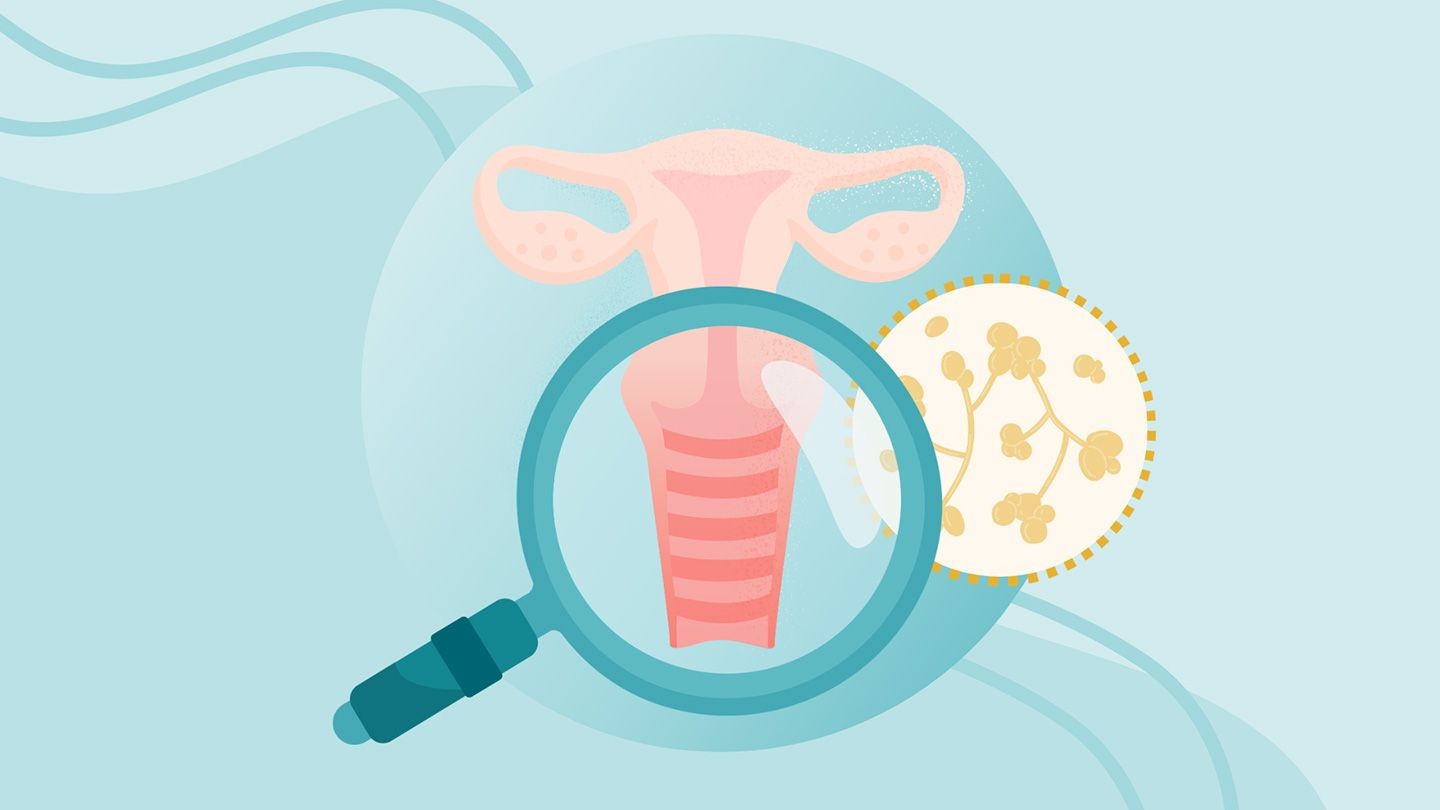
Vaginal yeast infections are a common ailment affecting many women. Caused by an overgrowth of the Candida fungus, these infections trigger discomfort, including itching, burning, and altered vaginal discharge. While typically not serious, understanding the causes, symptoms, and treatment options is crucial for effective management.
Understanding the Root Cause
Candida naturally lives in the vagina alongside other microorganisms. A healthy balance keeps this fungus in check. However, when this balance is disrupted – often by antibiotics, hormonal shifts, or a weakened immune system – Candida can proliferate, leading to infection.
Why this matters: The rise in antibiotic use, coupled with increasing rates of diabetes and immune-suppressing conditions, contributes to the prevalence of yeast infections. This highlights the interconnectedness of overall health and vaginal well-being.
Recognizing the Signs
Symptoms of a vaginal yeast infection can range from mild to severe:
- Itching or soreness: The most common symptom, often intense.
- Burning: Particularly during urination or sexual activity.
- Discharge: Typically thick, white, and resembling cottage cheese.
- Severe cases: May include swelling, redness, and cracks in the vaginal skin.
Important note: These symptoms can mimic other conditions, like bacterial vaginosis or sexually transmitted infections. A proper diagnosis from a healthcare provider is essential.
Diagnosis and Medical Evaluation
If you suspect a yeast infection, a doctor will conduct a pelvic exam to look for visible signs: redness, swelling, and discharge patterns. A vaginal sample may be tested to confirm the presence of Candida under a microscope, assess vaginal pH levels, or perform a fungal culture for recurring cases.
Treatment Options
Treatment typically involves antifungal medications, available in creams, suppositories, or oral pills. Over-the-counter options are effective for mild infections, while prescription medications may be needed for severe or recurring cases.
Crucial point: If symptoms persist despite treatment, or if this is your first infection, consult a doctor to rule out other conditions.
Prevention Strategies
You can reduce your risk of yeast infections with these lifestyle changes:
- Cotton underwear: Allows better airflow and reduces moisture buildup.
- Hygiene: Keep the genital area clean and dry.
- Clothing: Avoid tight-fitting garments that trap moisture.
- Avoid irritants: Skip scented products, douches, and harsh soaps.
- Manage diabetes: Control blood sugar levels if you have diabetes.
- Antibiotic use: Only take antibiotics when necessary and as prescribed.
Duration and When to Seek Help
Mild yeast infections usually clear up within a week with treatment. Severe or recurrent infections may require longer treatment periods. If symptoms worsen, return, or are accompanied by fever, pelvic pain, or foul odor, consult a healthcare provider immediately.
The key to managing yeast infections lies in prevention, accurate diagnosis, and consistent treatment. Ignoring symptoms can lead to chronic discomfort and potential complications.
Editorial Sources: The information presented here is based on guidelines from reputable medical organizations like the Centers for Disease Control and Prevention (CDC), Mayo Clinic, and peer-reviewed research.