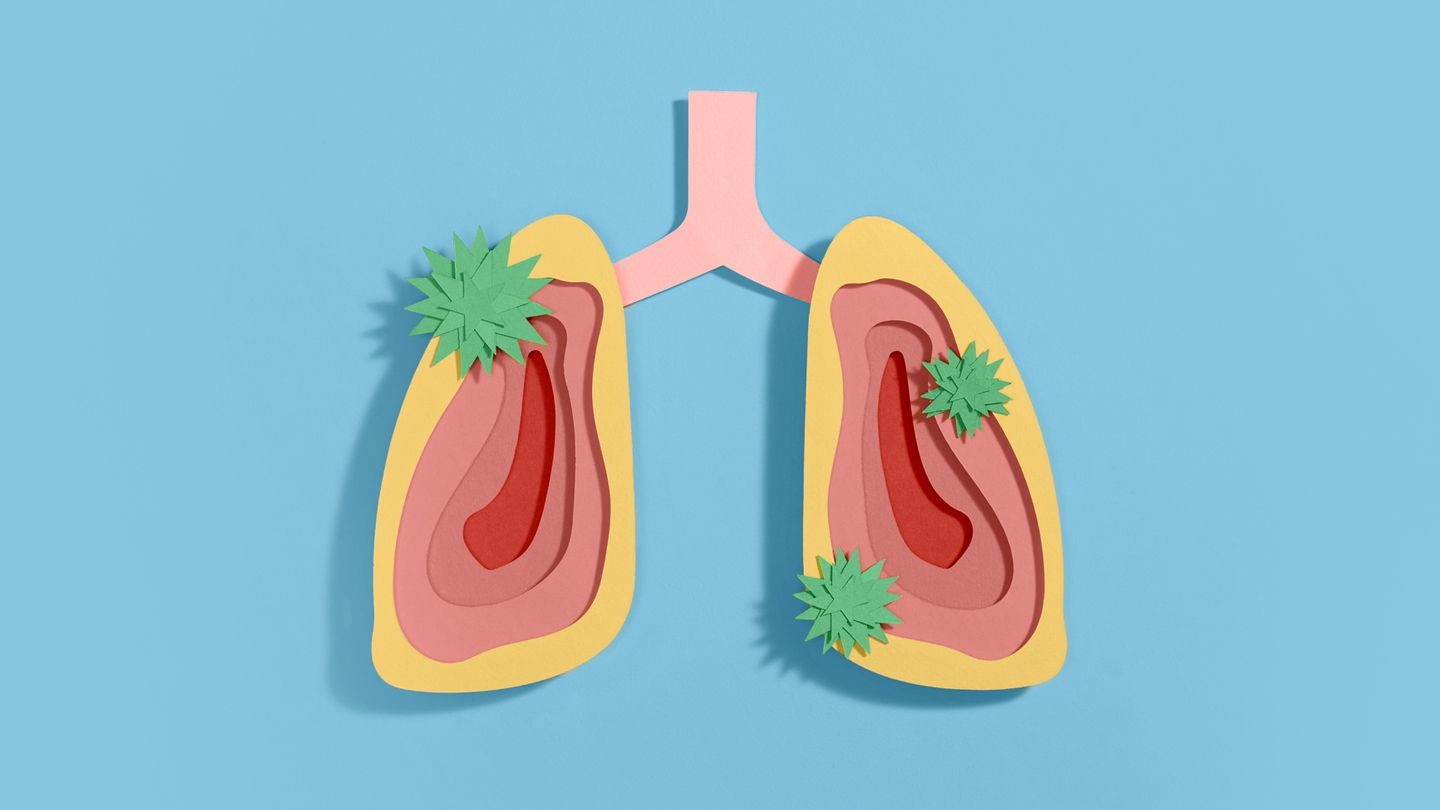
Recent research suggests a significant connection between severe respiratory illnesses like COVID-19 and influenza, and an elevated risk of developing lung cancer. A new study tracking millions of patients reveals a 24% increase in lung cancer diagnoses among those hospitalized with COVID-19, independent of smoking history or other known risk factors. This finding underscores how viral infections can leave lasting damage, potentially priming the lungs for cancer development years later.
How Infections Trigger Cancer Development
The link isn’t merely correlation: experiments on mice show that severe influenza or COVID-19 infections significantly increase the likelihood of lung cancer and subsequent mortality. Researchers believe this happens because severe viral infections trigger chronic inflammation in lung tissue. This sustained inflammation alters the environment, making it more favorable for cancer cells to initiate or progress.
According to Dr. James DeGregori of the University of Colorado Cancer Center, the lungs appear to “switch” to a pro-cancer state after a severe infection, creating a long-term vulnerability. The COVID-19 pandemic provided a unique opportunity to study this effect on a large scale, as millions contracted the virus simultaneously.
Study Details & Limitations
The research team analyzed health data from over 76 million adults across the United States, Lebanon, and Saudi Arabia. All subjects had been hospitalized for COVID-19 before January 2022 and had no prior cancer diagnoses. The study found that even after controlling for known cancer risk factors, hospitalization for COVID-19 was independently associated with a 24% higher risk of lung cancer.
However, the study isn’t without caveats. Some experts point out that hospitalized patients likely received more medical imaging and follow-up care, potentially increasing cancer detection rates. Others note that severe COVID cases may have already involved undiagnosed lung conditions or immune dysfunction, complicating the causal link. Additionally, the study doesn’t fully account for vaccination status, which could influence outcomes.
Implications & Prevention
Despite these limitations, researchers emphasize the importance of prevention. Severe viral infections aren’t just acute threats; they can contribute to chronic disease development. The study’s findings reinforce the value of vaccination as a protective measure.
Dr. Jie Sun, the study’s lead author, urges healthcare providers to consider closer monitoring for lung cancer screening in patients with a history of severe respiratory illness. For those at high risk, antiviral medications like Tamiflu or Paxlovid can help prevent mild infections from becoming severe.
“Protecting ourselves from severe infections whenever possible is crucial,” says Dr. Sun, highlighting the long-term consequences of acute viral damage.
The evidence suggests a clear link: severe respiratory infections may fundamentally alter lung health, increasing the risk of cancer long after the initial illness subsides. This underscores the need for proactive prevention and diligent monitoring to mitigate this emerging threat.