The modern diet is saturated with added sugars, but not all sweeteners are created equal. While moderation is key for all added sugars, some natural alternatives offer marginal nutritional benefits over refined table sugar. This breakdown ranks seven options based on processing, nutrient content, and impact on blood sugar.
The Core Issue: Natural vs. Added Sugar
Before diving into the ranking, it’s vital to understand the distinction. Natural sugars occur in whole foods like fruits and vegetables, bundled with fiber, vitamins, and antioxidants. These slow absorption and mitigate the downsides of sugar consumption. Added sugars, however, are those incorporated during processing or preparation. Even “healthy” sweeteners like honey become added sugars once mixed into beverages or baked goods.
The American Heart Association recommends limiting added sugars to less than 6% of daily calories (around 30 grams on a 2,000-calorie diet). This applies even to the options below.
The Ranking: From Least to Most Processed
- Agave
Agave syrup stands out for its low glycemic index (GI) – ranging from 10-27 – meaning it raises blood sugar less drastically than many alternatives. It contains prebiotic agavins that support gut health and saponins with potential anti-inflammatory effects. However, its high fructose content (around 80%) can strain the liver if consumed in excess. Many commercial agave products are heavily processed, negating some of these benefits.
- Raw Honey
A classic natural sweetener, raw honey retains trace minerals (calcium, potassium, magnesium) and antioxidants that may support heart health. Its GI of 55 is moderate, providing a slower blood sugar response than table sugar. The key is raw honey, as processing strips away much of the nutritional value.
- Maple Syrup
Pure maple syrup undergoes minimal processing, preserving nutrients like manganese, calcium, potassium, and zinc. It also contains quebecol, a plant compound with anti-inflammatory properties. With a GI of 54, maple syrup is another slower-digesting option.
- Date Sugar
Made from dehydrated dates ground into powder, date sugar delivers antioxidants and small amounts of fiber, potassium, iron, and B vitamins. Its lower GI makes it preferable to refined sugars, but it’s still a concentrated sugar source.
- Jaggery
Popular in South Asia, jaggery is unrefined sugarcane or palm sap boiled into a solid form. It contains trace minerals like calcium, potassium, magnesium, and iron, along with antioxidants. This is one of the least processed options.
- Coconut Sugar
Coconut sugar retains some antioxidants and trace minerals (iron, calcium, zinc) due to its less refined state. It has a GI of 35 compared to table sugar’s 65, but its calorie and carb content remains comparable.
- Turbinado
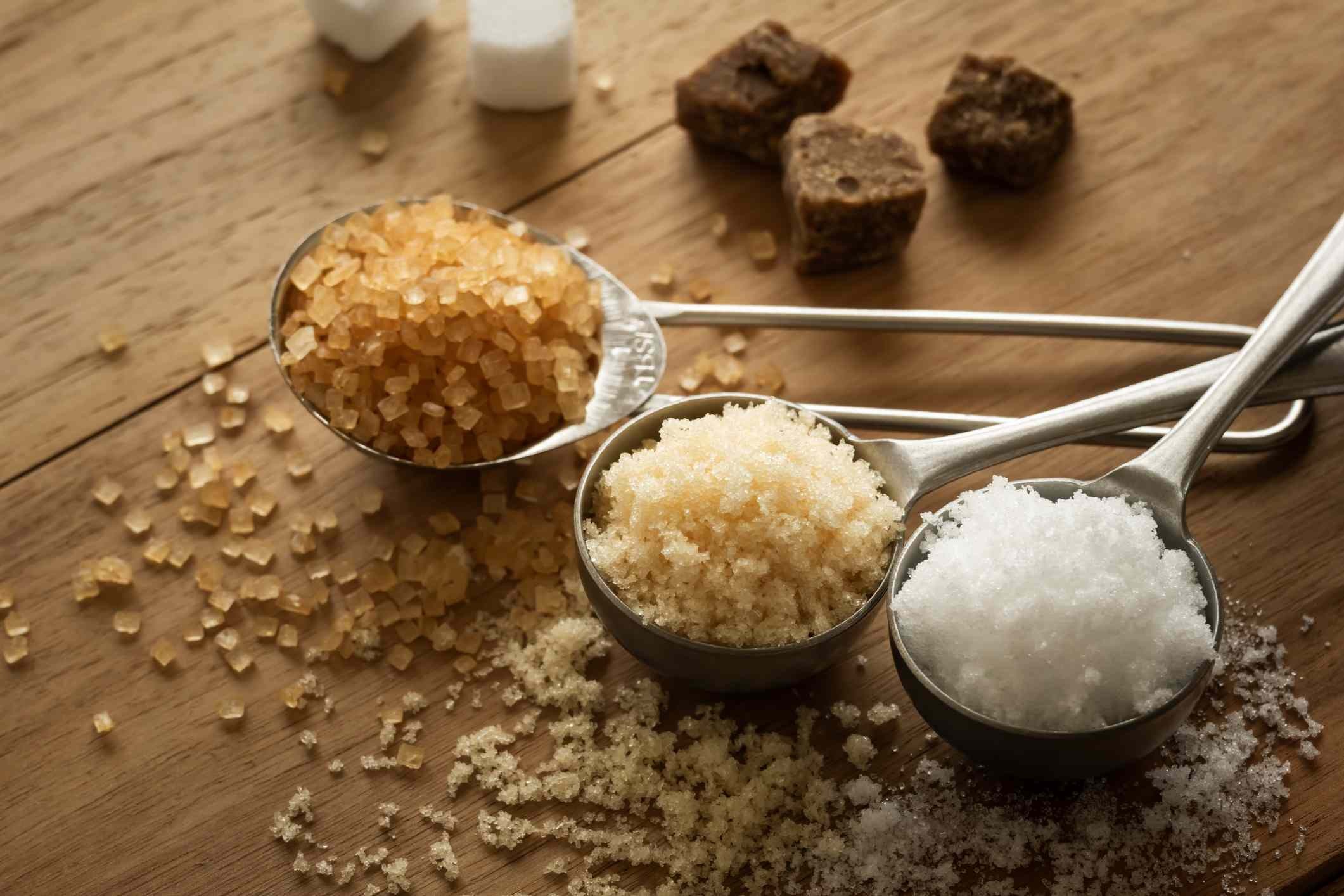
Turbinado sugar is minimally processed cane sugar. It retains some molasses, giving it a light brown color and slight caramel flavor. It contains small amounts of minerals like calcium and potassium, but not enough to significantly impact health. While better than white sugar, it still lacks substantial nutritional benefits.
The Takeaway: Context Is Crucial
Choosing between these sweeteners is less about finding a “healthy” sugar and more about minimizing overall added sugar intake. Prioritize whole, unprocessed foods when possible. If sweeteners are necessary, opting for raw honey, maple syrup, or jaggery may offer marginal benefits over highly refined options. Regardless, moderation remains the most important factor.