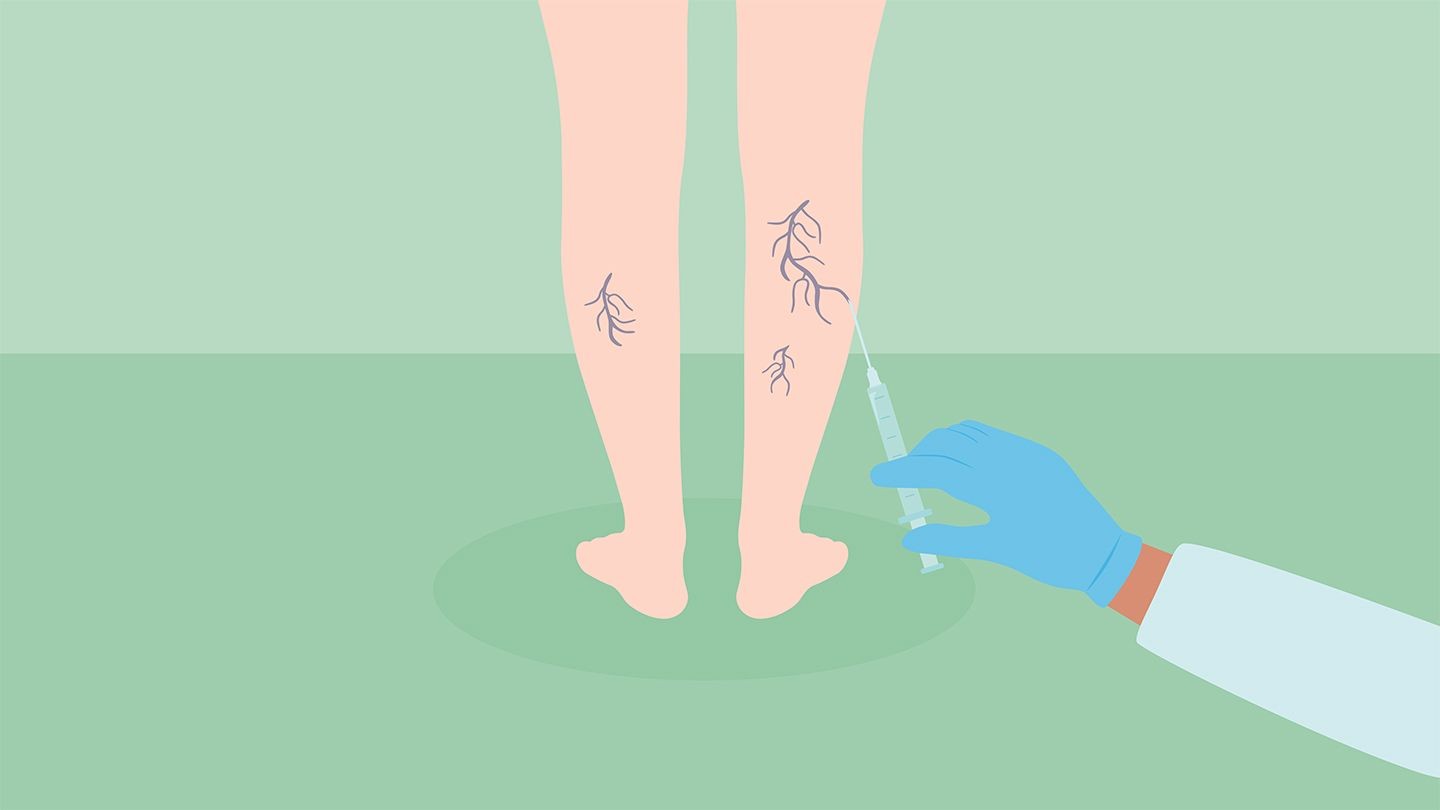
Sclerotherapy is a common, minimally invasive procedure used to treat visible or enlarged veins – spider veins and varicose veins – caused by weakened valves. The treatment involves injecting a special solution directly into the problem vein, causing it to scar and close off. This forces blood to reroute through healthier veins, reducing both the cosmetic appearance of the veins and any discomfort they may cause, such as swelling, aching, or burning.
Who Benefits From Sclerotherapy?
If you are bothered by the look of varicose or spider veins, or if they cause pain, sclerotherapy might be an option. However, certain conditions exclude you from treatment: pregnancy or breastfeeding, an active blood clot (deep vein thrombosis or superficial clot), or being bedridden. Additionally, doctors may avoid treating veins that could be needed for future surgical bypasses, like the saphenous veins in the legs, which are sometimes used in heart surgery.
Sclerotherapy works best on smaller varicose veins. For larger, more severe cases, surgery is often a better solution. The procedure can also be used to treat hemorrhoids, lymphatic malformations, and fluid-filled sacs around the testicle (hydroceles) in some instances.
How the Procedure Works
Sclerotherapy is usually performed by a dermatologist, vascular surgeon, or vein specialist in an office setting without anesthesia. You will lie on your back or stomach, depending on the treatment area. The doctor may perform a test injection to check for reactions before proceeding.
Using very fine needles, the doctor injects a liquid or foam solution into the affected vein. The solution irritates the vein lining, causing it to swell shut and block blood flow. After injecting the solution, the provider applies compression and massage to spread it and prevent blood from re-entering. The whole process typically takes 30–45 minutes.
Risks and Complications
Sclerotherapy is generally safe, but potential risks include infection, inflammation, blood clots, and allergic reactions. Seek immediate medical attention if you experience: sudden leg swelling, swelling near the groin, ulcers at the injection site, red streaks on your skin, difficulty breathing, chest pain, or dizziness.
What to Expect During and After Treatment
During the procedure, you may feel mild discomfort, cramping, or a burning sensation. Pain that radiates outside the vein suggests the solution leaked into surrounding tissue, so inform your doctor.
After treatment, injected veins may feel lumpy or hardened for months, skin may be temporarily red, and spots or brown lines may appear (sometimes permanent). Bruising is common and can last for weeks. Small new blood vessels may develop but usually fade within months.
Recovery is quick: most people return to normal activities immediately. Walking is encouraged to prevent clots, but strenuous exercise should be avoided for two weeks. Avoid aspirin, ibuprofen, and hot baths for the first two days. Compression stockings or bandages are usually recommended for two weeks post-treatment. A follow-up appointment is typically scheduled within a month or two.
Results and Follow-Up
Results take time: noticeable changes usually appear in 3–6 weeks, with larger veins taking longer. One session typically eliminates 50–80% of injected veins, but some treatments are ineffective, requiring alternative methods like surgery or laser therapy. While treated veins don’t reappear, new varicose veins can form over time, possibly requiring additional treatment.
Sclerotherapy is an effective treatment for reducing the appearance and discomfort of spider and varicose veins. Proper aftercare, including compression stockings and avoiding strenuous activity, can optimize results. If severe symptoms develop, such as swelling or difficulty breathing, seek immediate medical attention.