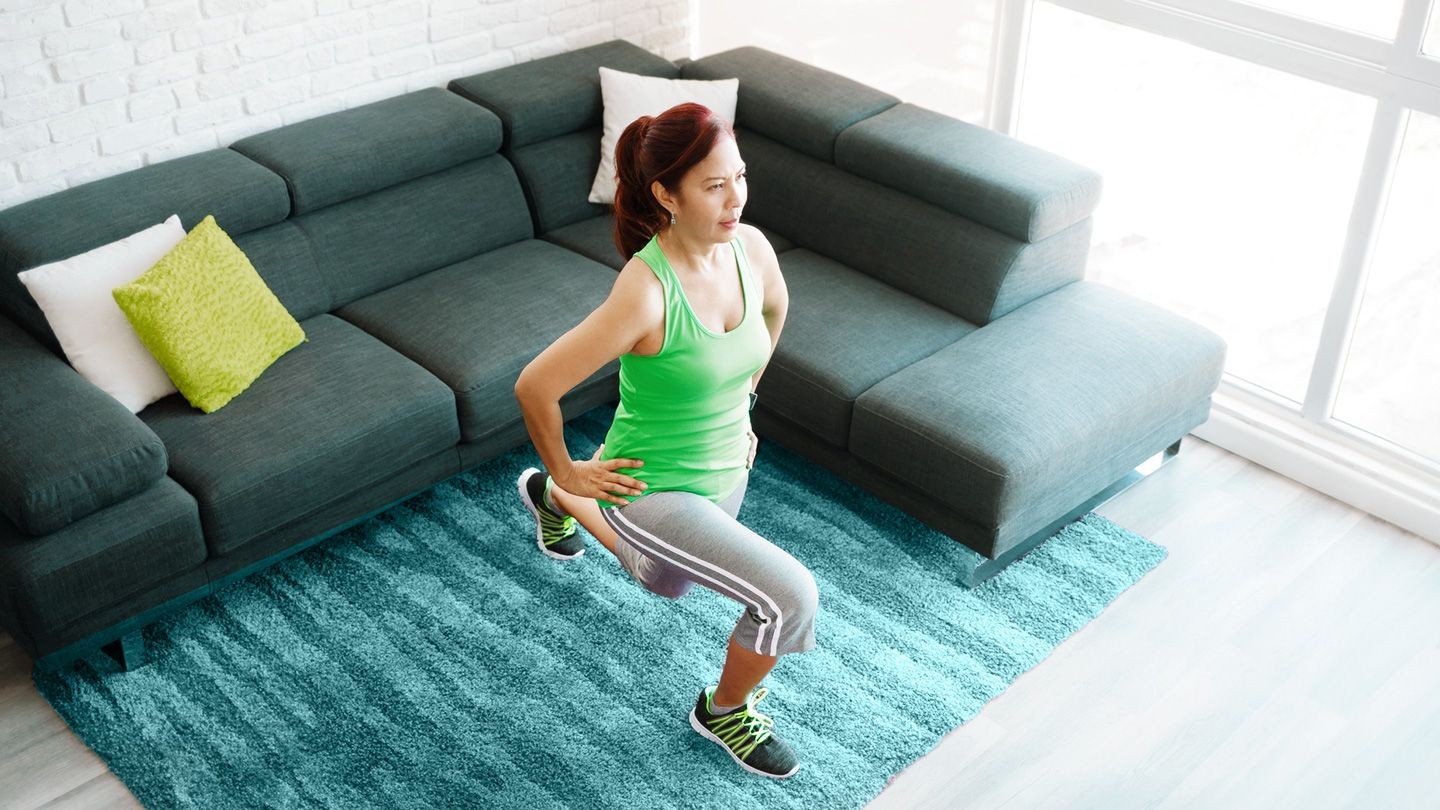
Strength training is particularly important for women over 50. It plays a vital role in preserving muscle mass, bolstering bone density, and ensuring overall physical function. Beyond the physical benefits, strength training can also improve mood, increase energy levels, and enhance confidence – all valuable perks as we age.
Why Strength Training Matters with Age
As we get older, our bodies naturally begin to lose muscle mass – a process known as sarcopenia. Muscle itself burns calories even when we’re at rest, but it burns significantly more when actively engaged. The more muscle you have, the higher your overall calorie burn becomes, which can be extremely helpful for maintaining a healthy weight – a common goal for many women over 50.
To maximize these benefits, consistency is key. A regular, total-body strength training routine that targets all major muscle groups – from the legs and core to the chest, back, and arms – is essential. Stephanie Carter Kelley, PhD, a board-certified orthopedic physical therapist and yoga instructor, recommends strength training at least two times per week, with sessions lasting a minimum of 20 minutes. Incorporating total-body exercises during each workout is the most efficient approach.
Seven Exercises to Strengthen Your Body
To help you get started, Carter Kelley shares seven effective strength exercises below, along with recommended set and rep ranges. Adjust your rep count based on how challenging the final two reps of each set feel – if you can comfortably add more reps with proper form, it’s time to increase the weight.
-
Dumbbell Goblet Squat
-
How to Perform: Stand with your feet hip-width apart and toes pointing forward. Hold one end of a dumbbell with both hands against your chest. Bend your knees and push your hips back and down until your thighs are parallel to the ground (or as low as you comfortably can). Keep your torso upright and ensure your knees align with your toes, avoiding inward or outward bowing. Pause briefly, then press your feet into the ground to stand back up to the starting position.
- Sets & Reps: 1 to 2 sets of 8 to 12 reps.
- Benefits: Squats train the quadriceps and glutes – the large muscles in your legs that are vital for walking, climbing stairs, and lifting. Working these large muscle groups also releases brain-derived neurotrophic growth factor (BDNF), a hormone crucial for brain cell growth and development, which is critical for learning and memory. “Therefore, this exercise helps women mentally as much as physically,” Carter Kelley explains.
-
infringe Variations: Start with just your bodyweight, then gradually add weight as you get stronger.
-
Tug Boat Pose
-
How to Perform: Lie on your back and engage your abs. Lift both feet off the floor and bend your knees to form a 90-degree angle with your legs. Your shins should be parallel to the floor. Keeping your head, neck, and upper back on the floor, extend both arms straight over your chest. Then lower both arms down toward your ears. Without moving your upper body, keep one leg bent while you straighten the other leg.
- Sets & Reps: 1 to 2 sets of 8 to 12 reps with each leg.
- Benefits: Carter Kelley recommends this modified version of boat pose to help build abdominal strength. This basic exercise teaches you how to engage your abdominal muscles while breathing, which may support the spine and improve low-back pain.
-
Variations: To make this exercise easier, keep one foot firmly planted on the floor.
-
Dumbbell Deadlift
-
How to Perform: Stand with your feet shoulder-width apart. Grip a dumbbell in each hand in front of your thighs, palms facing your body. Bend your knees slightly and sit back into your hips. Keeping your back flat, hinge forward at the hips to lower the weights toward the floor with control. Stop when you feel a slight pull in your hamstrings. Pause briefly, then straighten your torso to return to the starting position. Repeat.
- Sets & Reps: 1 to 2 sets of 8 to 12 reps.
- Benefits: This exercise targets the large muscles in the lower back, glutes, and hamstrings. “You need a strong back to lift groceries and gardening equipment, bend over, and more,” Carter Kelley emphasizes. Strong back muscles also promote bone growth in the spine, helping prevent osteoporosis.
-
Variations: If you’re new to deadlifts, practice the movement with a broom, PVC pipe, or another light object before adding weight.
-
Dumbbell Floor Press
-
How to Perform: Begin seated on the floor and hold a dumbbell on top of each thigh. Lift the dumbbells to your shoulders and carefully lie back until your head and upper back make contact with the floor. Both feet should be flat on the floor. Hold the dumbbells at the sides of your chest, palms facing forward. Press the dumbbells straight up over your chest. Pause briefly, then slowly lower the dumbbells to the starting position beside your chest. Repeat.
- Sets & Reps: 1 to 2 sets of 8 to 12 reps.
-
Benefits: This move works the major muscles in your upper body: chest, shoulders, and triceps. Keeping these “push” muscles strong can help with daily activities like pushing shopping carts and heavy doors. It’s also essential for playing sports involving swinging a bat, club, or racket.
- Variations: Use a resistance band instead of weights.
-
Tug Boat Pose
-
How to Perform: Lie on your back and engage your abs. Lift both feet off the floor and bend your knees to form a 90-degree angle with your legs. Your shins should be parallel to the floor. Keeping your head, neck, and upper back on the floor, extend both arms straight over your chest. Then lower both arms down toward your ears. Without moving your upper body, keep one leg bent while you straighten the other leg.
- Sets & Reps: 1 to 2 sets of 8 to 12 reps with each leg.
- Benefits: Carter Kelley recommends this modified version of boat pose to help build abdominal strength. This basic exercise teaches you how to engage your abdominal muscles while breathing, which may support the spine and improve low-back pain.
-
Variations: To make this exercise easier, keep one foot firmly planted on the floor.
-
Dumbbell Floor Press
-
How to Perform: Begin seated on the floor and hold a dumbbell on top of each thigh. Lift the dumbbells to your shoulders and carefully lie back until your head and upper back make contact with the floor. Both feet should be flat on the floor. Hold the dumbbells at the sides of your chest, palms facing forward. Press the dumbbells straight up over your chest. Pause briefly, then slowly lower the dumbbells to the starting position beside your chest. Repeat.
- Sets & Reps: 1 to 2 sets of 8 to 12 reps.
-
Benefits: This move works the major muscles in your upper body: chest, shoulders, and triceps. Keeping these “push” muscles strong can help with daily activities like pushing shopping carts and heavy doors. It’s also essential for playing sports involving swinging a bat, club, or racket.
- Variations: Use a resistance band instead of weights.
-
Tug Boat Pose
-
How to Perform: Lie on your back and engage your abs. Lift both feet off the floor and bend your knees to form a 90-degree angle with your legs. Your shins should be parallel to the floor. Keeping your head, neck, and upper back on the floor, extend both arms straight over your chest. Then lower both arms down toward your ears. Without moving your upper body, keep one leg bent while you straighten the other leg.
- Sets & Reps: 1 to 2 sets of 8 to 12 reps with each leg.
- Benefits: Carter Kelley recommends this modified version of boat pose to help build abdominal strength. This basic exercise teaches you how to engage your abdominal muscles while breathing, which may support the spine and improve low-back pain.
- Variations: To make this exercise easier, keep one foot firmly planted on the floor.
The Takeaway
Strength training is a cornerstone of maintaining vitality and independence for women over 50. It helps preserve muscle mass and bone density, improves physical function, and offers both physical and mental benefits. Aim to complete a total-body routine at least two times a week, dedicating at least 30 minutes to targeting all major muscle groups.
EDITORIAL SOURCES:
Everyday Health follows strict sourcing guidelines to ensure the accuracy of its content, outlined in our editorial policy. We use only trustworthy sources, including peer-reviewed studies, board-certified medical experts, patients with lived experience, and information from top institutions.
Resources
- Stay Fit in Your 40s, 50s, 60s, 70s and Beyond. Cleveland Clinic. June 6, 2021.
- Wewege MA et al. The Effect of Resistance Training in Healthy Adults on Body Fat Percentage, Fat Mass and Visceral Fat: A Systematic Review and Meta-Analysis. Sports Medicine. February 2022.
- Ozemek C et al. ACSM’s Guidelines for Exercise Testing and Prescription. American College of Sports Medicine. March 24, 2025.
- BDNF Gene. MedlinePlus. March 1, 2013.
- Posture. Cleveland Clinic. October 18, 2023.
- Núñez-Cortés R et al. Handgrip Strength Measurement Protocols for All-Cause and Cause-Specific Mortality Outcomes in More Than 3 Million Participants: A Systematic Review and Meta-Regression Analysis. Clinical Nutrition. November 2022.
- Masroor S et al. Effect of Adding Diaphragmatic Breathing Exercises to Core Stabilization Exercises on Pain, Muscle Activity, Disability, and Sleep Quality in Patients With Chronic Low Back Pain: A Randomized Control Trial. Journal of Chiropractic Medicine. December 2023.
- Exercising With Osteoporosis: Stay Active the Safe Way. Mayo Clinic. March 12, 2025.
Meet Our Experts
Kara Andrew, RDN, LDN
Medical Reviewer
Lauren Bedosky
Author