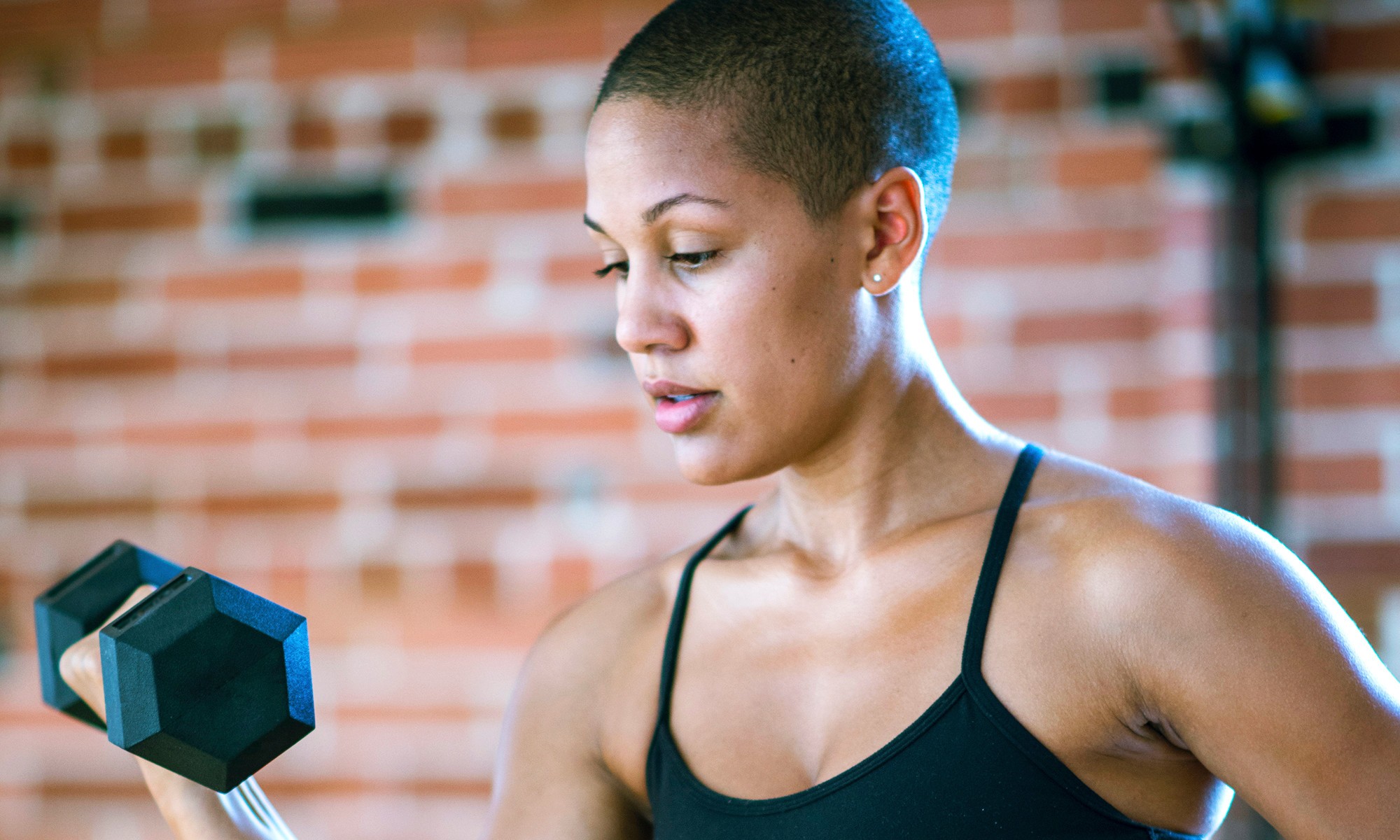
New research confirms that grip strength isn’t merely a measure of muscle power; it’s a direct reflection of brain function and overall physical resilience as we age. A study from UC Riverside, published in Frontiers in Neuroscience, reveals a strong correlation between grip strength and activity in a key brain region – the caudate nucleus – suggesting that preserving strength isn’t just about muscle mass, but about maintaining the brain’s ability to coordinate forceful movement.
Why Grip Strength Matters for Healthy Aging
For years, grip strength has been recognized as a reliable predictor of overall health. Stronger grip correlates with better physical function and cognitive performance in older adults. This isn’t just about opening jars; it’s about how well the body and brain work together. The latest research goes further, identifying where in the brain this connection is strongest.
The Caudate Nucleus: A Key Brain Region
Researchers used functional MRI scans to monitor brain activity in 60 older adults while they performed maximum grip tests. The results pointed to the caudate nucleus – a deep-brain structure responsible for movement coordination, decision-making, and habit formation – as the primary driver of grip strength. Stronger activity and connectivity in the caudate were consistently linked to higher grip strength, regardless of sex or muscle mass. This indicates that maintaining physical strength with age requires preserving the brain’s capacity to initiate and sustain movement.
Actionable Steps for Brain-Body Resilience
The study doesn’t offer immediate interventions, but it reinforces existing evidence-based habits:
- Resistance Training: Regular strength training improves muscle function and neural efficiency.
- Coordinated Movement: Activities like balance training, Pilates, or tai chi challenge brain-muscle communication.
- Cognitive Engagement: Brain regions involved in movement are also shaped by learning and attention.
- Vascular Health: Prioritize regular movement, a balanced diet, and blood pressure management to ensure efficient blood flow to both brain and muscles.
The Bottom Line
Aging is a systemic process, not just a decline in muscles or joints. This study reinforces the idea that physical strength in later life reflects the brain and body working in sync. A simple grip test may reveal more about overall health than previously understood, offering a new way to monitor and potentially slow down age-related physical decline.