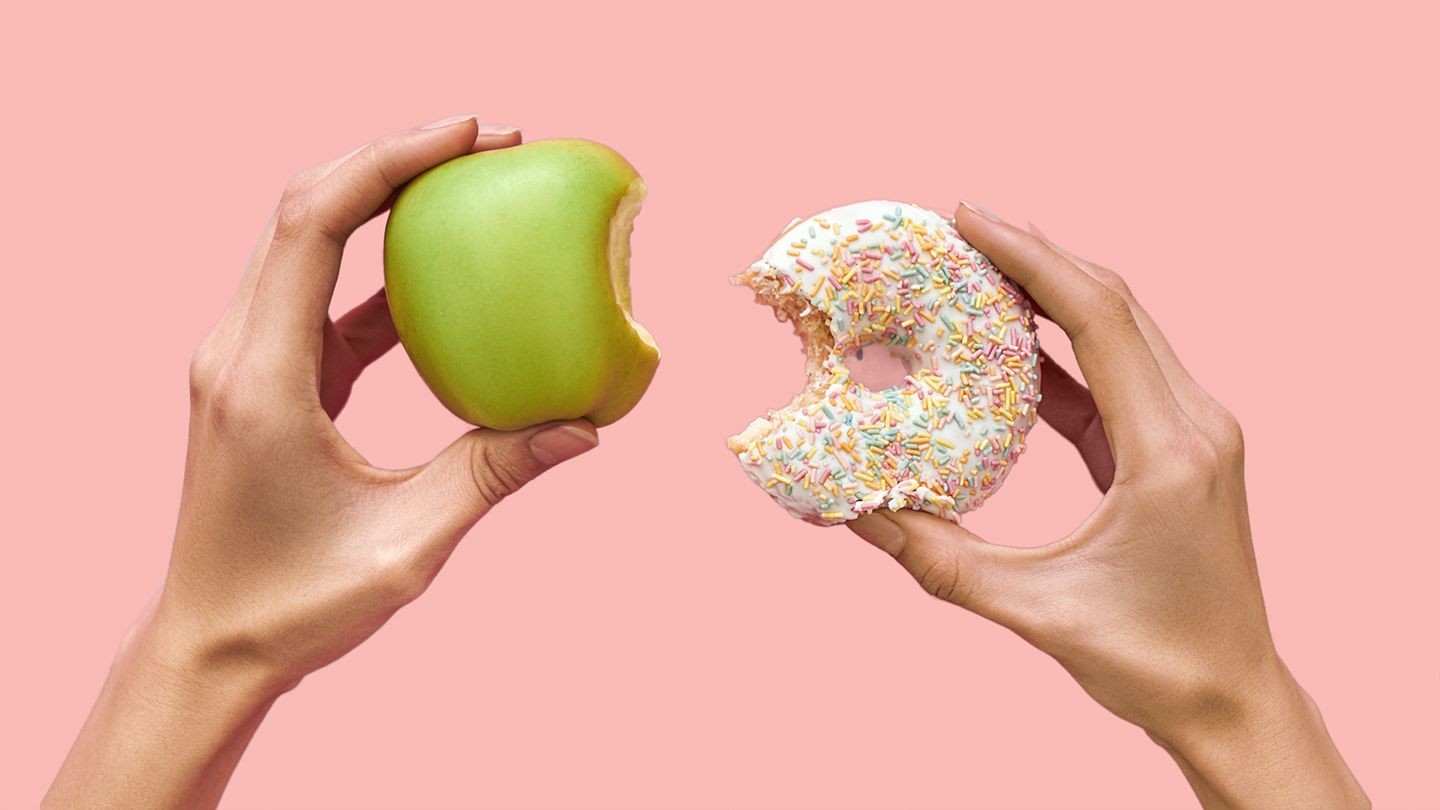
The way we talk about food isn’t just about nutrition; it’s deeply tied to how we see ourselves. For years, society has casually labeled certain foods as “good” (fruits, vegetables) and others as “bad” (desserts, processed snacks). This seemingly harmless moralizing has a toxic effect on body image and mental health.
Why This Matters: Assigning morality to food isn’t just about diet culture — it’s about deeper societal biases. This language reinforces fatphobia, disordered eating patterns, and unnecessary guilt around eating.
The Roots of Food Moralization
The idea that some foods are “virtuous” while others are “sinful” isn’t a natural phenomenon. It’s a construct, historically linked to anti-fat bias. As psychotherapist Paula Atkinson explains, the belief that “a good human is one who keeps their body small” fuels this harmful categorization.
This bias isn’t new. Sociologist Sabrina Strings traces its origins back to 17th and 18th-century European colonialism, where fatness was falsely linked to racial inferiority and lack of self-control. This historical context reveals how food morality has always been about power, control, and judgment.
The Impact on Mental Health
When food becomes a moral issue, it creates shame and guilt. Jillian Lampert, a registered dietitian, notes that this can lead to disordered eating, anxiety, and a negative self-image. The obsession with “clean” eating can even manifest as orthorexia, an unhealthy fixation on “pure” foods.
This isn’t just about individual choices. Factors beyond diet — genetics, socioeconomic conditions, access to healthcare — play a huge role in body shape and size. As dietitian Lindsay Wengler points out, two people can eat the same way and still have different bodies. The idea that food morality is about personal failings ignores these broader realities.
Breaking Free from the Binary
The solution isn’t stricter dieting; it’s a shift in mindset. The first step is giving yourself permission to eat what you want without judgment. Focus on how foods make you feel rather than labeling them as “good” or “bad.”
However, individual changes aren’t enough. Toxic messaging about food and bodies is pervasive in advertising, social media, and even healthcare systems. Real change requires systemic shifts in how we talk about food and bodies.
The Bottom Line: Food is fuel, pleasure, and culture — not a moral test. By rejecting the “good” versus “bad” framework, we can move toward a healthier relationship with eating and ourselves.