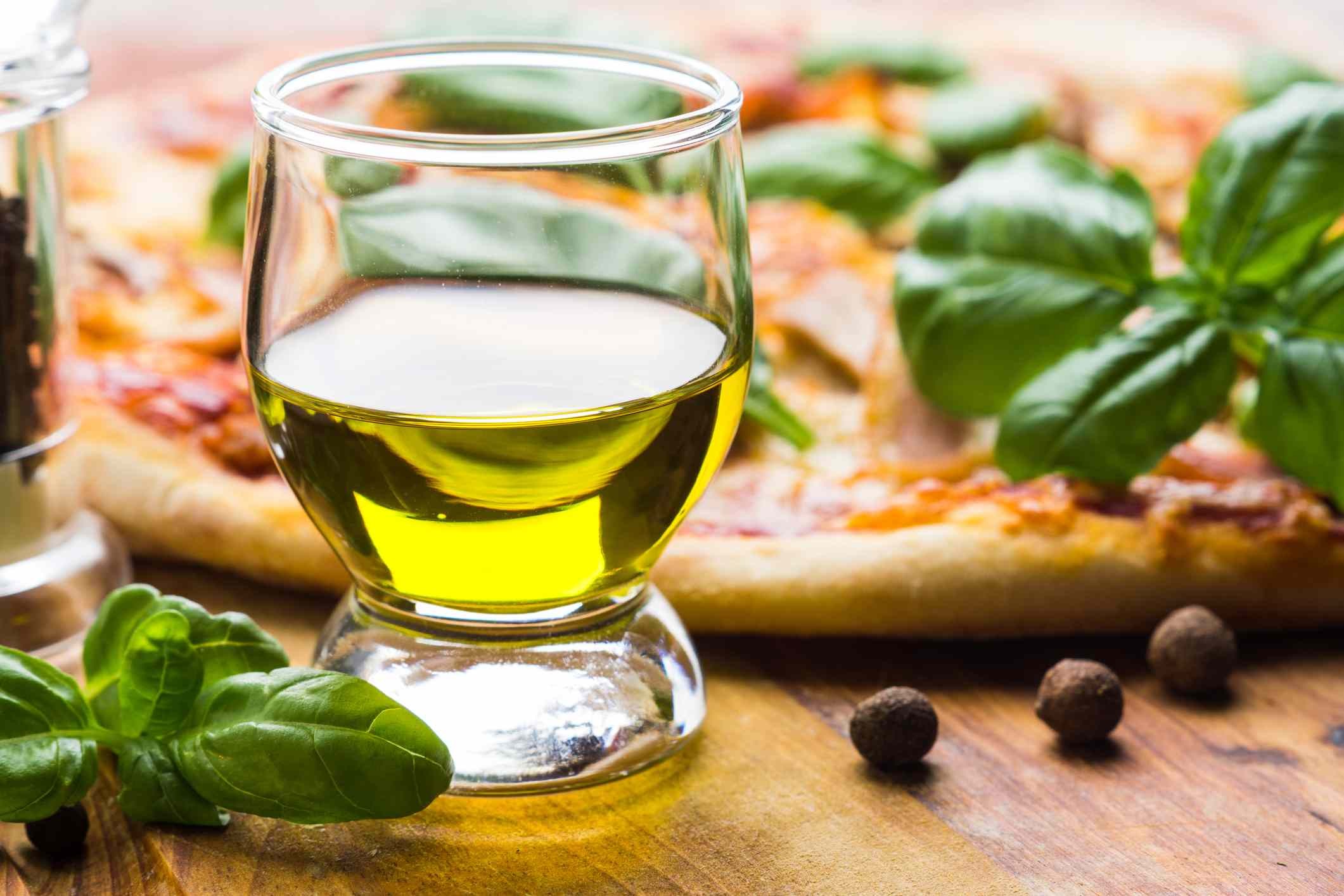
Consuming olive oil daily has been linked to improved health outcomes, including a reduced risk of chronic diseases and a potentially longer lifespan. While some promote drinking it directly, research suggests that incorporating olive oil into your diet through traditional methods is equally effective, and may even be preferable.
The Science Behind Olive Oil’s Benefits
Olive oil, particularly extra virgin varieties, is rich in monounsaturated fats like oleic acid, which possess potent anti-inflammatory properties. The oil also contains polyphenols, powerful antioxidants that protect against cellular damage. These compounds contribute to several key health advantages:
- Reduced Risk of Heart Disease: Olive oil helps lower atherosclerosis (plaque buildup in arteries), a primary driver of heart disease.
- Lower Diabetes Risk: Studies show that consuming around 1.5 tablespoons (25 grams) daily can reduce the risk of type 2 diabetes by 22%.
- Extended Lifespan: Individuals who consume over 2 tablespoons (30 grams) per day have a 20% lower risk of death from any cause, with reductions of 23% in cancer-related mortality and 25% in heart disease-related mortality.
- Cognitive Health: Regular olive oil intake may also enhance cognitive function and slow down age-related decline.
The Shot Debate: Raw vs. Heated
Some proponents suggest drinking olive oil in shot form for maximum benefit, citing that unheated oil preserves more nutrients. While there’s no definitive research proving this method superior, heating olive oil does degrade its phenolic content:
Heating olive oil to 248°F (114°C) reduces phenols by 40%, while 338°F (169°C) diminishes them by 75% after just 15–60 minutes of cooking.
Taking a shot might also be a convenient way to ensure adequate intake, similar to taking omega-3 supplements. However, it’s not essential; incorporating olive oil into meals provides the same core benefits.
Potential Downsides and Considerations
Drinking olive oil straight isn’t without drawbacks:
- Digestive Issues: It can cause discomfort if consumed on an empty stomach.
- High Calorie Count: One tablespoon contains 119 calories, contributing to weight gain if not balanced with overall diet.
- No Added Benefit: There’s no proven advantage over traditional consumption methods.
Practical Intake and Recommendations
The optimal daily intake ranges from 7-50 milliliters (0.5 to 3.5 tablespoons). Since fats should make up 20-35% of your calorie intake, moderation is key. Diversifying your fat sources – including nuts, seeds, fatty fish, avocados, and eggs – is also important.
Enjoy olive oil by drizzling it on salads, using it in marinades, or sautéing vegetables. You don’t need to drink it straight to reap the rewards.
In conclusion: Incorporating olive oil into your diet consistently offers significant health benefits, but the method is less crucial than the habit itself. Prioritize a balanced approach and enjoy this nutritious fat as part of a broader, healthy lifestyle.