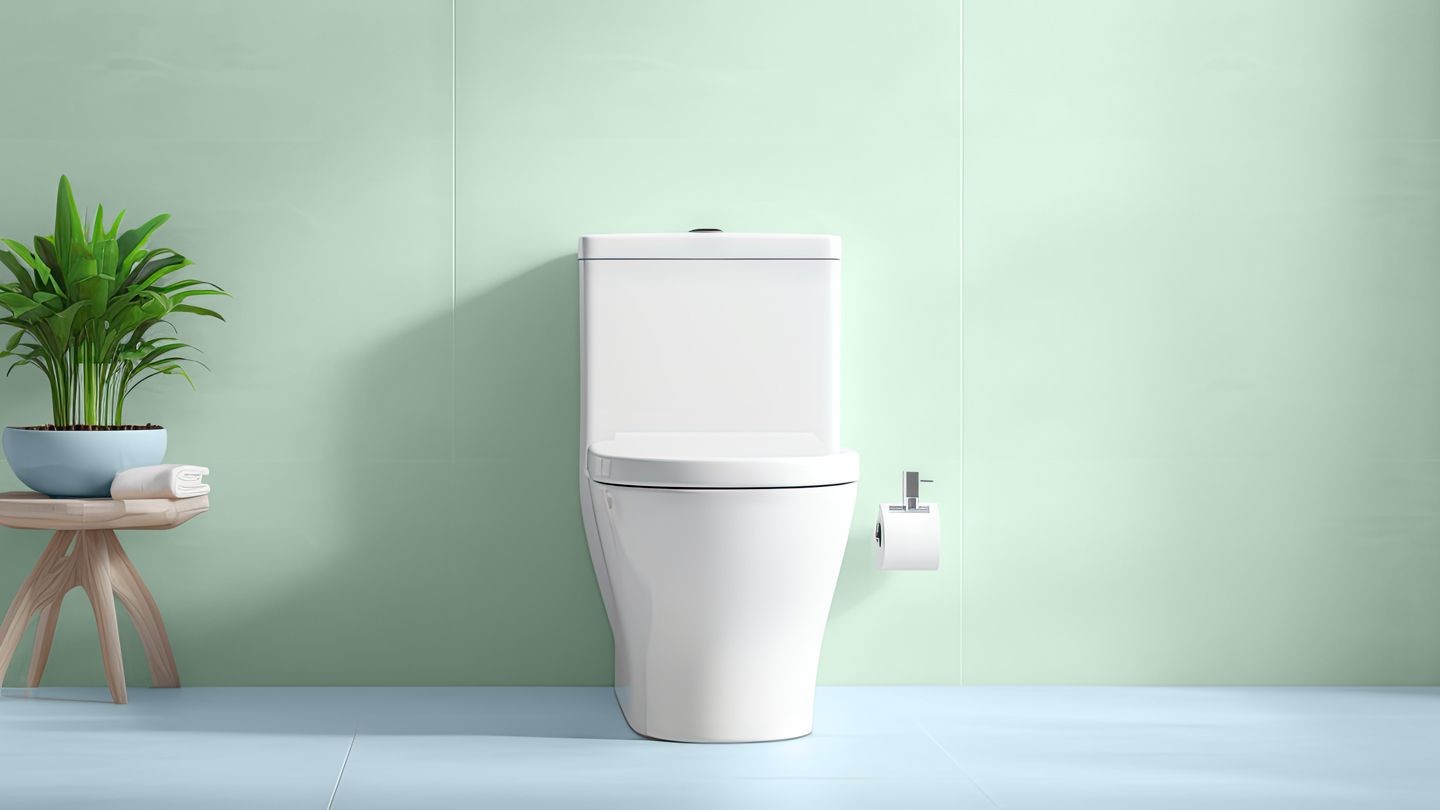
Kohler has introduced a novel approach to health tracking: the Dekoda Scanner, a device designed to attach to your toilet and analyze both your urine and stool. This technology aims to provide insights into your gut health and hydration levels by using spectroscopy and data tracking within a companion app. While the concept of monitoring waste output for health information isn’t entirely new, the smart toilet scanner represents a convenient, albeit unconventional, option for individuals interested in tracking these metrics.
How the Dekoda Scanner Works
The Dekoda Scanner uses spectroscopy to assess the composition of waste, examining factors like the consistency, frequency, and shape of bowel movements. Additionally, it analyzes urine to gauge hydration levels. The scanner doesn’t automatically analyze every bathroom visit; users need to activate the device by holding their phone near a sensor or using a fingerprint analyzer. Once initiated, the Dekoda continuously scans the contents during the session. The data collected is then channeled into a companion app that monitors changes over time, creating a profile of your health progress. Kohler emphasizes that the device utilizes “discreet optics” to analyze only the contents of the toilet bowl.
The scanner is powered by a rechargeable battery, which can be removed and plugged into a USB cable when needed.
Cost and App Features
The Dekoda Scanner comes with several associated costs. The hardware itself, encompassing the camera and its housing, is priced at $599. To utilize the scanner’s full functionality, a Kohler Health app membership is required. These memberships vary in cost: a single user can pay $6.99 per month or $70 annually, while a family membership (supporting up to five users) is priced at $12.99 monthly or $130 yearly.
The companion app analyzes a range of factors, including bowel movement consistency, frequency, hydration status, and the presence of blood in stool. This data is presented in charts that illustrate changes over time, and the app also provides insights like the number of bowel movements per day and stool type categorization. A “gut health score” can also be tracked over time.
The Value of Analyzing Waste – According to Doctors
Gastroenterologists acknowledge the potential value of providing individuals with more direct access to personal health data, drawing parallels to services like 23andMe (genetic data) and microbiome testing. However, they caution against oversimplification and misinterpretation of the scanner’s data.
Aditya Sreenivasan, MD, a gastroenterologist at Northwell Lenox Hill Hospital, highlights the difficulty in interpreting data from stool analysis, particularly in areas where understanding of the gut microbiome remains incomplete. He adds that spotting blood in the stool, a function the Dekoda can provide, should prompt a medical evaluation and potentially a colonoscopy.
Rishi Naik, MD, an assistant professor at Vanderbilt University Medical Center, suggests that most of the data the Dekoda provides can be obtained simply by visually inspecting one’s stool. He suggests that the device could be helpful for individuals with visual impairments or during colonoscopy preparation. Naik emphasizes that the Dekoda scanner shouldn’t be confused with established stool-based cancer screening tests, such as those detecting stool DNA or hidden blood.
Important Considerations and Limitations
Doctors strongly advise against relying on the Dekoda Scanner as a replacement for regular cancer screenings. It’s crucial to remember that monitoring changes in bowel habits and stool characteristics is valuable, but requires professional guidance. Changes in stool caliber, mucus, and blood can offer clues about digestion, absorption, and overall gut health, as can comparing changes to visual aids like the Bristol Stool Chart.
If blood is detected, whether through a device or visually, it’s essential to contact a healthcare professional. Similarly, persistent changes in bowel habits, such as diarrhea, constipation, abnormally narrow stools, rectal bleeding, or persistent stomach pain, warrant medical evaluation.
Overall, the Dekoda Scanner offers a novel and convenient approach to tracking certain aspects of gut health and hydration. However, it’s important to understand its limitations and not substitute it for established medical screenings or professional advice. The most significant benefit of the device appears to be its potential to detect the presence of blood in stool, prompting further investigation when necessary