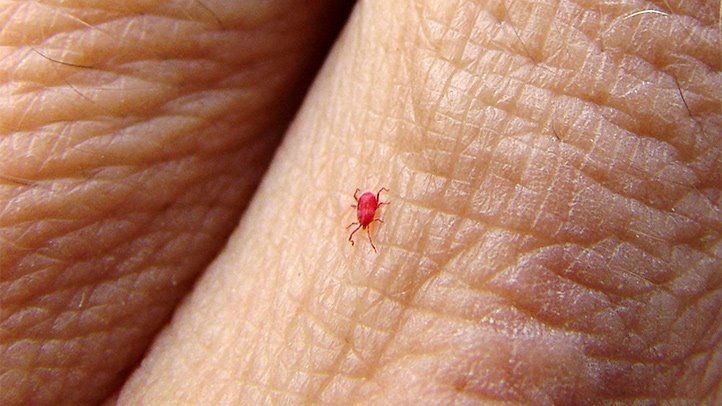
Chiggers, despite their microscopic size, leave a lasting impression: intense itching. These tiny mites, active in late spring through early fall, are present across the United States but thrive in warmer climates like the South and Midwest.
Though often mistaken for burrowing pests, chiggers don’t embed themselves under the skin. Instead, they bite into hair follicles, injecting digestive enzymes to feed on skin cells. This causes localized swelling that can resemble burrowing, appearing as red welts, pustules, or bumps. The bites often appear in clusters rather than as single marks.
Why does this matter? Misidentification is common. Many people mistake chigger bites for mosquito or flea bites, delaying proper treatment. The intense itching can lead to secondary infections from scratching, especially if left untreated.
What Do Chigger Bites Look and Feel Like?
Distinguishing chigger bites from other insect bites can be tricky. Experts say it’s “nearly impossible” to tell them apart definitively. However, chigger bites typically develop delayed itching – often hours after the initial bite – and tend to occur in groups.
Key indicators:
- Location: Chiggers gravitate towards warm, sweaty areas or tight clothing lines: sock tops, underwear bands, waistlines, ankles, behind the knees, and the groin. Mosquitoes rarely bite in these spots.
- Itch Intensity: Chigger bites are notoriously itchy, often far more so than mosquito bites. Symptoms can last up to two weeks.
- Appearance: Look for clusters of small, raised welts. The swelling can make them appear embedded, but this is an illusion.
When to Seek Medical Attention
In most cases, chigger bites are harmless and resolve on their own. However, see a doctor if:
- The itch is unbearable and over-the-counter remedies don’t help.
- Bites become open wounds from scratching.
- The skin around the bites swells or oozes pus (signs of infection).
While chigger bites in the U.S. don’t transmit diseases, bites from chiggers in Asia, Russia, or the Pacific Islands can carry risks.
Prevention and Treatment
The best approach is prevention:
- Wear protective clothing: long pants tucked into socks.
- Use insect repellent (permethrin for clothing, DEET or picaridin for skin).
- Avoid tall grass and wooded areas.
- Shower immediately after outdoor exposure.
Treatment focuses on symptom relief: antihistamines, anti-itch creams, or strong cortisone.
Chigger bites, while frustrating, are rarely serious. Understanding their characteristics and taking preventive measures can minimize discomfort and prevent complications. If symptoms persist or worsen, consult a medical professional.