This collection of articles explores the connection between specific foods and their impact on human health. While each article focuses on a distinct nutrient or food group, a common thread emerges: the power of dietary choices to influence well-being, for better or worse. Let’s delve into what these articles reveal about nucleic acid foods and other nutrients vital for health.
What Are Nucleic Acid Foods and Why Do They Matter?
While the provided list doesn’t explicitly define “nucleic acid foods,” understanding them is crucial. Nucleic acids – DNA and RNA – are the building blocks of life. These molecules carry genetic information and are essential for cell function, growth, and repair. Foods rich in nucleic acids are those that contain significant amounts of these building blocks, which the body can then utilize. Understanding their role helps us appreciate their potential benefits. This isn’t as straightforward as understanding the role of a vitamin or mineral; research into the direct health impacts of nucleic acid-rich foods is still evolving.
The Nutritional Spotlight: Key Foods and Their Effects
The articles showcase a range of foods, each with unique nutritional properties and potential impacts on health:
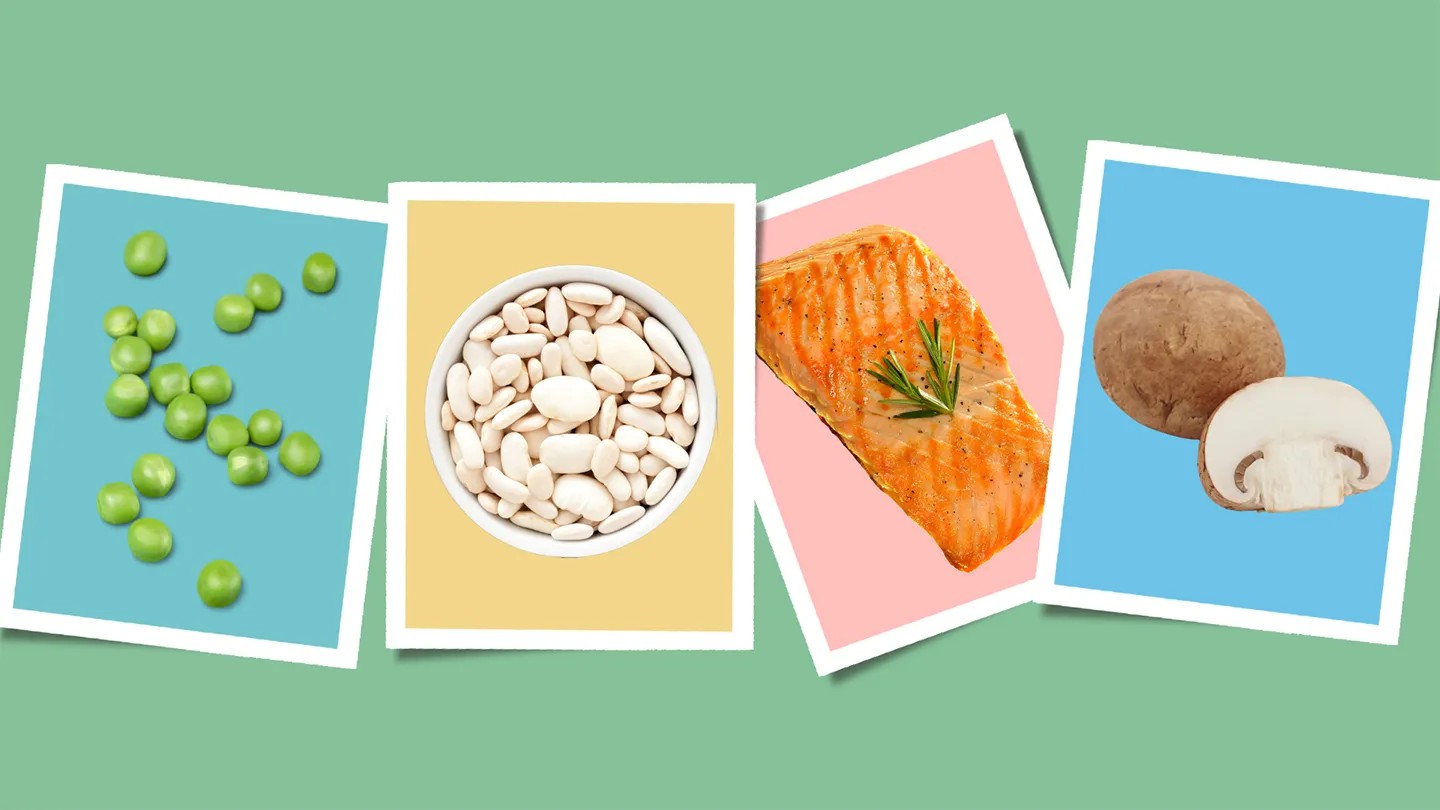
- Pea Protein: This article highlights a complex relationship. While pea protein can sometimes impact digestion for sensitive individuals, it remains a valuable source of plant-based protein and fiber, beneficial for muscle building, satiety, and overall digestive health in many.
- Lysine-Rich Foods: Sixteen foods are highlighted as sources of lysine, an essential amino acid crucial for protein synthesis, calcium absorption, and immune function. Lysine is “essential” because the human body can’t produce it, so it must be obtained through diet. Including a variety of these foods – often including meat, seafood, and legumes – supports vital bodily functions.
- Clams: These shellfish are presented as a nutritional powerhouse, offering potential health benefits related to their high protein content, vitamin B12, and minerals like iron and zinc. These nutrients are vital for energy production, red blood cell formation, and immune support.
- Almonds: Seven potential health benefits of almonds are discussed, focusing on their nutrients like healthy fats, fiber, vitamin E, and antioxidants. These contribute to heart health, blood sugar regulation, and overall protection against cellular damage.
- Functional Foods: One article examines the concept of “functional foods” – foods that offer health benefits beyond basic nutrition. These might include compounds like antioxidants, prebiotics, or probiotics. The article asks whether these foods are genuinely beneficial or simply a marketing trend, emphasizing the need for scientific evidence to support claims.
- Foods that Impact Uric Acid: The articles address the connection between dietary choices and uric acid levels. Certain food groups, including nuts and, possibly, others, can contribute to increased uric acid, a factor in gout and related health concerns. Understanding these connections is critical for individuals managing these conditions.
- Raw Mushrooms: Considerations about eating raw, store-bought, or foraged mushrooms are presented, with discussions around safety, digestibility, and optimal cooking methods. Mushrooms contain compounds that can be toxic when raw, and cooking breaks down these toxins while enhancing nutritional availability.
Food as Medicine: A Holistic Perspective
The core message across these articles underscores the concept of “food as medicine.” This isn’t about replacing medical treatments with food, but rather understanding that dietary choices profoundly influence health outcomes. By consciously selecting nutrient-rich foods and avoiding those that may negatively impact well-being, individuals can proactively manage their health and potentially mitigate risk factors for various diseases. Careful attention to specific nutrients, like lysine, and an awareness of how foods affect conditions like high uric acid levels are important steps in this process.
Food choices are powerful tools for influencing health, offering both potential benefits and risks that should be understood and considered.
Ultimately, the information presented highlights the need for a nuanced approach to nutrition: recognizing the intricate relationship between food, nutrients, and overall health, and making informed choices that promote well-being