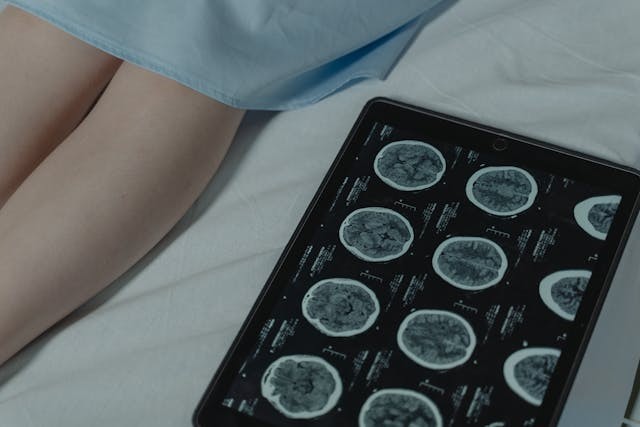
An acquired brain injury (ABI) fundamentally alters lives, impacting not only the individual but also their families and support networks. The period following diagnosis is often described as disorienting, with existing systems often feeling inadequate or inaccessible. This article breaks down what ABI entails, why effective support is critical, and what families need to know.
What Defines Acquired Brain Injury?
Acquired brain injury isn’t a single condition; it’s an umbrella term encompassing any brain damage occurring after birth. This includes traumatic injuries from accidents or assaults, and non-traumatic causes such as stroke, oxygen deprivation, infections, or tumors. Unlike progressive conditions like Alzheimer’s, ABI doesn’t follow a predictable course.
Recovery isn’t linear. Two people with identical injuries may exhibit drastically different symptoms, and even the same person’s condition can fluctuate weekly. This unpredictability makes long-term planning difficult, as there’s rarely a clear prognosis. Some individuals make significant progress, while others plateau, or experience improvement in some areas while struggling in others. These fluctuations aren’t failures; they are simply the brain’s natural response to trauma.
The Spectrum of Challenges
ABI affects physical, cognitive, emotional, and behavioral domains, and these rarely exist in isolation. Someone may have full mobility but severe memory loss, while another might be physically impaired but emotionally stable. There is no “typical” presentation.
Physical symptoms include fatigue, weakness, chronic pain, and coordination issues. Cognitive impairments—poor concentration, memory loss, and slowed processing—often have a greater impact on daily life. Emotional and psychological effects, such as depression, anxiety, and emotional dysregulation, are common yet frequently underestimated. These aren’t personality flaws; they’re neurological consequences of the injury requiring appropriate support.
Why Support Needs Evolve
ABI care is dynamic. Initial focus is on medical stabilization and early rehabilitation. As the individual reintegrates into the community, the emphasis shifts towards relearning life skills and adjusting to a changed identity.
Years later, needs may change again. The brain’s aging process, combined with life events (bereavement, relocation, etc.), can trigger setbacks. Effective long-term support isn’t about dependency; it’s about adaptable structures that allow individuals to live as independently as possible throughout their lives. Rigid care packages often fail because they don’t address these evolving needs.
What Families Must Understand
Families often feel unprepared during the transition from hospital to home. Medical teams provide acute care, but discharge support is frequently inadequate. Families are left to navigate complex services without a clear understanding of what’s available or what their loved one actually needs.
This emotional burden weighs heavily on caregivers, who frequently experience grief, isolation, and exhaustion. Carer support—respite care, peer networks, or psychological intervention—isn’t optional; it’s integral to overall care. Many ABI survivors are acutely aware of their difficulties and motivated to improve; good support respects this by being person-led, goal-oriented, and delivered by informed professionals.
Navigating the Path Forward
There’s no one-size-fits-all approach to life after ABI. Recovery looks different for everyone, and support needs change as life unfolds. The constant remains the value of experienced guidance. Families who seek specialist support early tend to feel more confident in their decisions. The journey is rarely easy, but it’s far less isolating with the right expertise.
Effective ABI care isn’t just about treating the injury; it’s about supporting the whole person, across the full arc of their life. This requires flexibility, understanding, and a commitment to adapting support as needs evolve.