Bed bugs are a persistent pest problem in the United States, causing itchy bites but not known to spread disease. Their resurgence is driven by increased travel, resistance to pesticides, and simply a lack of awareness. Recognizing the signs of an infestation is critical for quick and effective elimination.
How to Detect a Bed Bug Problem
Bed bugs are notoriously difficult to spot, often remaining hidden until bites appear. They typically bite while you sleep, usually an hour before dawn. According to Eric Braun, a pest control expert, bed bugs retreat to the darkest crevices in homes, apartments, or hotels. They avoid detection, crawling back into hiding places when disturbed.
These insects feed on blood, targeting humans but also biting other animals. They can survive for months without feeding, making eradication challenging. However, they typically feed every 5-10 days, spending about five minutes attached before retreating.
What Bed Bug Bites Look Like
Bed bug bites can be mistaken for flea or mosquito bites, complicating initial identification. Reactions vary; some people don’t even feel the bite due to the numbing properties of the fluids injected during feeding. If you notice a bite, it may appear as:
- A small, slightly swollen red mark
- Bites arranged in a straight line
- Bites positioned randomly on the body
- Intense itching and irritation
Severe infestations can lead to insomnia, anxiety, and allergic reactions.
Where Bed Bugs Bite You
Bites appear on any exposed skin while sleeping, including the back, neck, face, arms, hands, and legs. Unlike flea bites which are usually confined to the lower legs and ankles, bed bugs attack anywhere accessible. Bites can take up to two weeks to develop, making early detection difficult.
Other Signs of Bed Bugs
Beyond bites, infestations leave other clues:
- Shed skins: Translucent or light-colored remnants of molted exoskeletons.
- Fecal spots: Brown or red stains on mattresses or sheets.
- Carcasses: The bodies of dead bed bugs.
- Odor: A sickly sweet, raspberry-like smell (usually only with severe infestations).
Some dogs can be trained to detect bed bugs, similar to drug or bomb detection, though this is not common.
Identifying Bed Bugs Visually
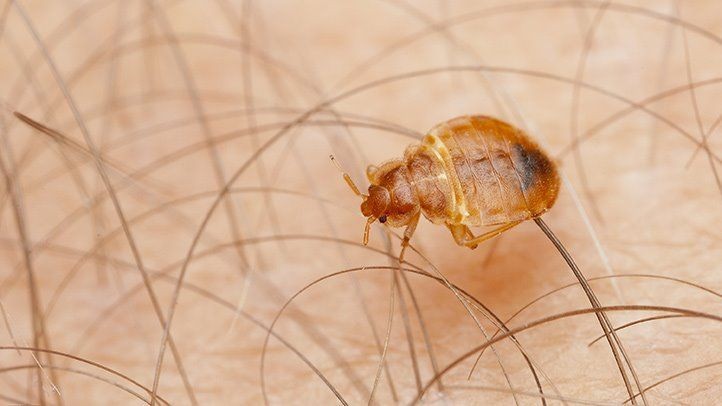
Adult bed bugs are flat, mahogany brown when unfed, turning reddish-brown after feeding. They grow up to 0.25 inches long, with six legs and a flat oval shape. Young bed bugs (nymphs) are smaller and clear, shedding skin about five times over a month in warm conditions.
How Bed Bugs Spread
Bed bugs do not fly; they spread by crawling or hitchhiking on moving objects. Their flat bodies allow them to hide in luggage, clothing, and other items with crevices. Travel is a major vector, as bed bugs can easily transfer between infested areas and clean spaces. Once established, they reproduce rapidly: females can lay over 100 eggs in their lifetime. These eggs are white, hard to see, and stick to surfaces easily.
Final Thoughts
Bed bugs are resilient pests that feed discreetly, making them difficult to identify. Bites are the most common sign, but they can resemble other insect bites. Look for visual clues like shed skins or a distinctive odor. If you suspect an infestation, contact an exterminator to limit pesticide exposure and ensure proper removal.
Resources: U.S. Environmental Protection Agency, Cornell Integrated Pest Management, American Academy of Dermatology Association.