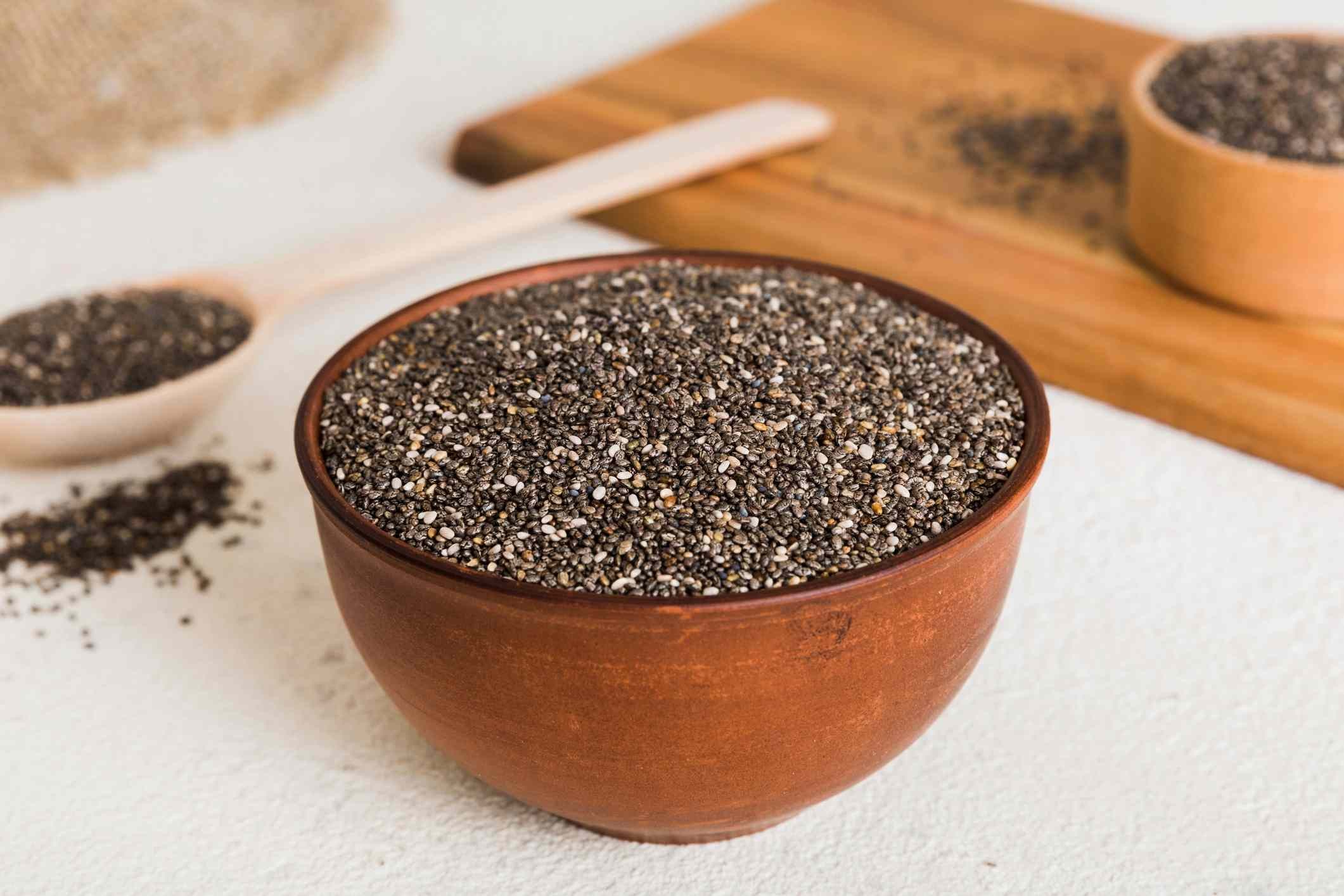
Chia seeds are a nutritional powerhouse, delivering a concentrated dose of fiber, protein, healthy fats, and essential minerals like magnesium and selenium. But simply knowing that they’re good for you isn’t enough. Maximizing their benefits – especially their high fiber content – comes down to when and how you incorporate them into your diet.
Why Timing Matters: Fiber, Satiety, and Blood Sugar
Fiber isn’t just about regularity; it significantly impacts how your body processes food. Soluble fiber slows digestion, helping stabilize blood sugar and lowering cholesterol, while insoluble fiber adds bulk to stool for digestive health. Chia seeds offer a blend of both, with roughly 85–93% insoluble fiber and 7–15% soluble fiber per serving.
This means that strategically adding chia seeds can help you feel fuller longer, manage cravings, and support consistent energy levels. The key is to leverage these properties at the right times.
When to Eat Chia Seeds: A Practical Guide
There’s no single “best” time; chia seeds fit almost anywhere. However, consider these scenarios:
- Breakfast: A tablespoon of chia seeds can elevate your morning meal, providing about 5 grams of fiber to kickstart satiety and stabilize blood sugar.
- Before Meals: Consuming chia seeds with water 20–30 minutes before eating can support appetite control. The fiber and protein swell in your stomach, helping you feel fuller with less food. (If you already eat a balanced meal, this may not be necessary.)
- Snacking: Chia seeds make an ideal snack due to their sustained energy release. Mix them into yogurt, milk, or dressings for a protein- and fiber-rich boost.
- With Meals: Sprinkle chia seeds onto salads, soups, or even main courses to discreetly increase fiber intake.
- Nighttime (with caution): If you’re genuinely hungry before bed, chia yogurt is a superior choice to sugary snacks. But avoid eating too close to bedtime to prevent digestive discomfort.
How Much is Too Much?
Most people benefit from 1–2 tablespoons daily. Exceeding 3 tablespoons can lead to bloating and digestive issues, especially if you aren’t accustomed to a high-fiber diet. Start small and gradually increase your intake as your body adjusts.
Nutrition Breakdown (per 1-ounce serving, 28 grams)
- Calories: 138 kcal
- Protein: 4.6 g
- Fat: 8.7 g (including 5 g omega-3s)
- Carbohydrates: 11.9 g
- Fiber: 9.7 g (over one-third of daily needs)
- Magnesium: 95 mg (23% DV)
- Selenium: 16 mcg (29% DV)
Creative Ways to Integrate Chia Seeds
Beyond sprinkling them on food, explore these options:
- Chia Water: Mix 1 teaspoon into water, let it gel, and add flavors.
- Baked Goods: Enhance muffins, breads, and cookies with extra fiber.
- Chia Pudding: Refrigerate chia seeds with milk overnight for a quick breakfast.
- Thickened Dressings: Blend into salad dressings for a creamy texture.
- Smoothies: Boost nutrition with a tablespoon of chia seeds.
- Quick Jam: Combine mashed fruit with chia seeds for a fast, natural spread.
- Gluten-Free Flour Substitute: Use chia flour in baking for added nutrients.
- Binding Agent: Hold veggie patties together with chia seeds and water.
- Energy Balls: Combine with oats, nut butter, and dried fruit for a no-bake snack.
- Egg Substitute: Replace one egg with 1 tablespoon chia seeds mixed with 3 tablespoons of water.
- Chia Ice Pops: Freeze chia water with fruit for a healthy treat.
The bottom line: Chia seeds are a simple, versatile way to boost your fiber intake and improve overall health. By understanding when and how to use them, you can unlock their full potential for sustained energy, better digestion, and long-term well-being.