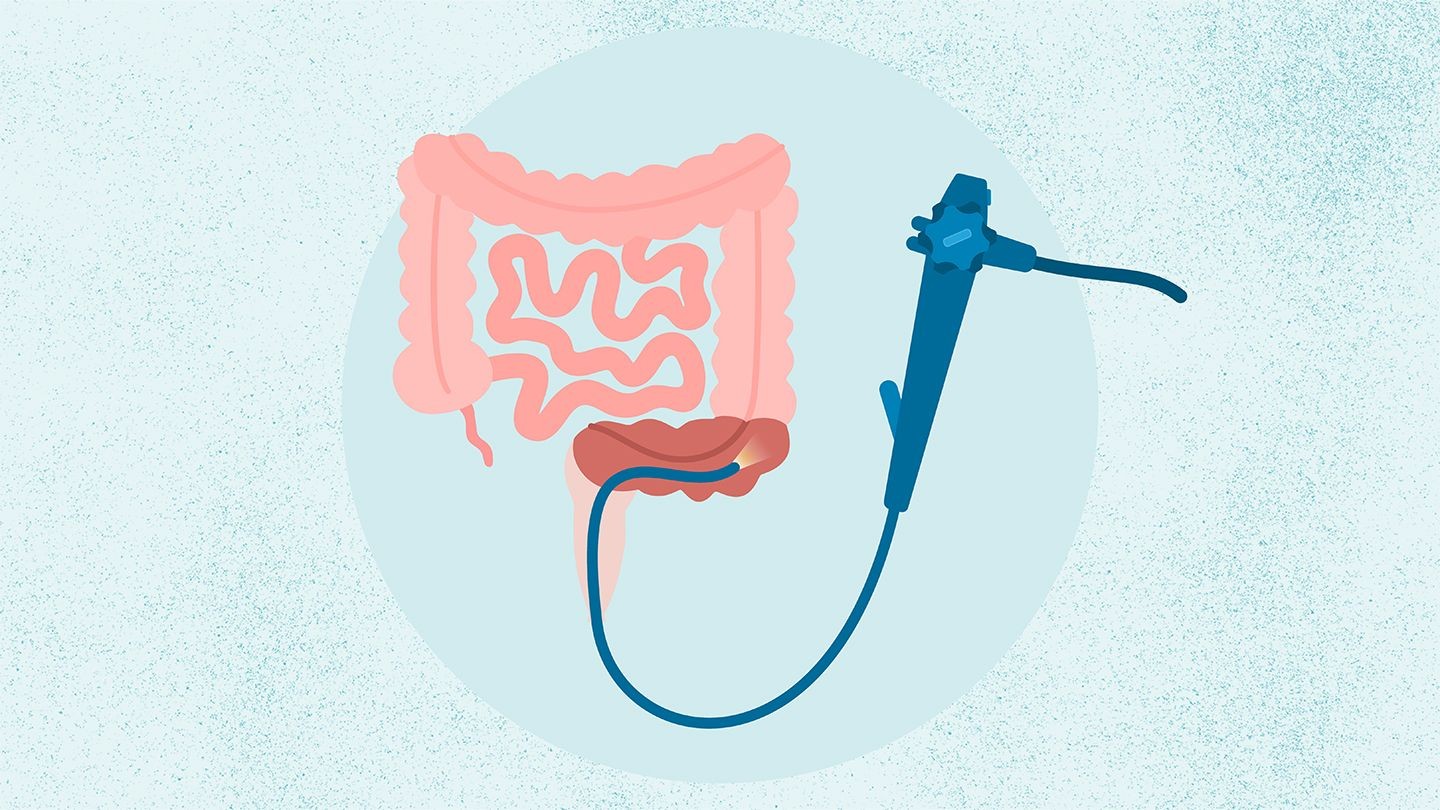
A sigmoidoscopy is a medical procedure used to examine the lower portion of the large intestine. It’s a type of endoscopy, meaning doctors use a flexible tube with a camera to view the inside of the body. Unlike a full colonoscopy, a sigmoidoscopy only inspects the final third of the colon – the rectum, sigmoid colon, and descending colon – making it a quicker and less invasive option for certain screenings and diagnoses.
Why is a Sigmoidoscopy Performed?
Doctors may recommend this procedure for several reasons:
- Colon cancer screening: A sigmoidoscopy can help detect early signs of cancer, particularly in people at average risk.
- Symptom investigation: It’s used to identify the cause of bleeding, abdominal pain, changes in bowel habits, or unexplained weight loss.
- Disease monitoring: For conditions like ulcerative colitis or Crohn’s disease, sigmoidoscopies help assess inflammation and track disease progression.
- Polyp removal: Doctors can remove polyps (abnormal growths) during the procedure to prevent them from developing into cancer.
The decision to use a sigmoidoscopy versus a full colonoscopy depends on individual risk factors and medical history. For average-risk individuals, a sigmoidoscopy done every 5-10 years may be sufficient. However, those with a family history of colon cancer, polyps, or inflammatory bowel disease may benefit more from a colonoscopy, which examines the entire colon.
How Does a Sigmoidoscopy Work?
The procedure itself takes about 10-20 minutes. The patient lies on their side while the doctor gently inserts a sigmoidoscope (a flexible tube with a camera) into the anus and guides it through the rectum and lower colon. Air or carbon dioxide is used to expand the colon for better visibility. Most patients don’t require anesthesia, but some doctors may offer sedation for comfort.
Preparation is key. Bowel cleansing is necessary to ensure a clear view. This usually involves taking an enema several hours before the procedure, or in some cases, following a clear liquid diet.
Risks and Complications
Sigmoidoscopies are generally safe, but potential risks include:
- Sedation reactions: If sedation is used, there’s a small risk of adverse reactions.
- Bowel perforation: Though rare (around 1 in 50,000 procedures), the tube could puncture the intestinal wall.
- Bleeding: Removing polyps or taking biopsies can cause minor bleeding.
- Peritonitis: In extremely rare cases, inflammation of the abdominal lining could occur.
After the procedure, patients might experience bloating or gas, but these symptoms usually resolve quickly. If polyps were removed or biopsies taken, a small amount of blood in the first bowel movement is normal.
Sigmoidoscopy vs. Colonoscopy: Which is Right for You?
The primary difference is scope length. A colonoscopy examines the entire colon, while a sigmoidoscopy focuses on the lower third. This means colonoscopies provide a more comprehensive view, but also require more extensive bowel preparation and often sedation.
For average-risk screening, a sigmoidoscopy can be a viable option, especially if a full colonoscopy isn’t medically feasible or preferred. However, high-risk individuals should prioritize colonoscopies to ensure complete cancer screening.
Bottom line: Sigmoidoscopy is a useful tool for assessing the lower colon, offering a less invasive alternative to a full colonoscopy in select cases. Understanding the procedure, risks, and alternatives is crucial for making informed healthcare decisions.