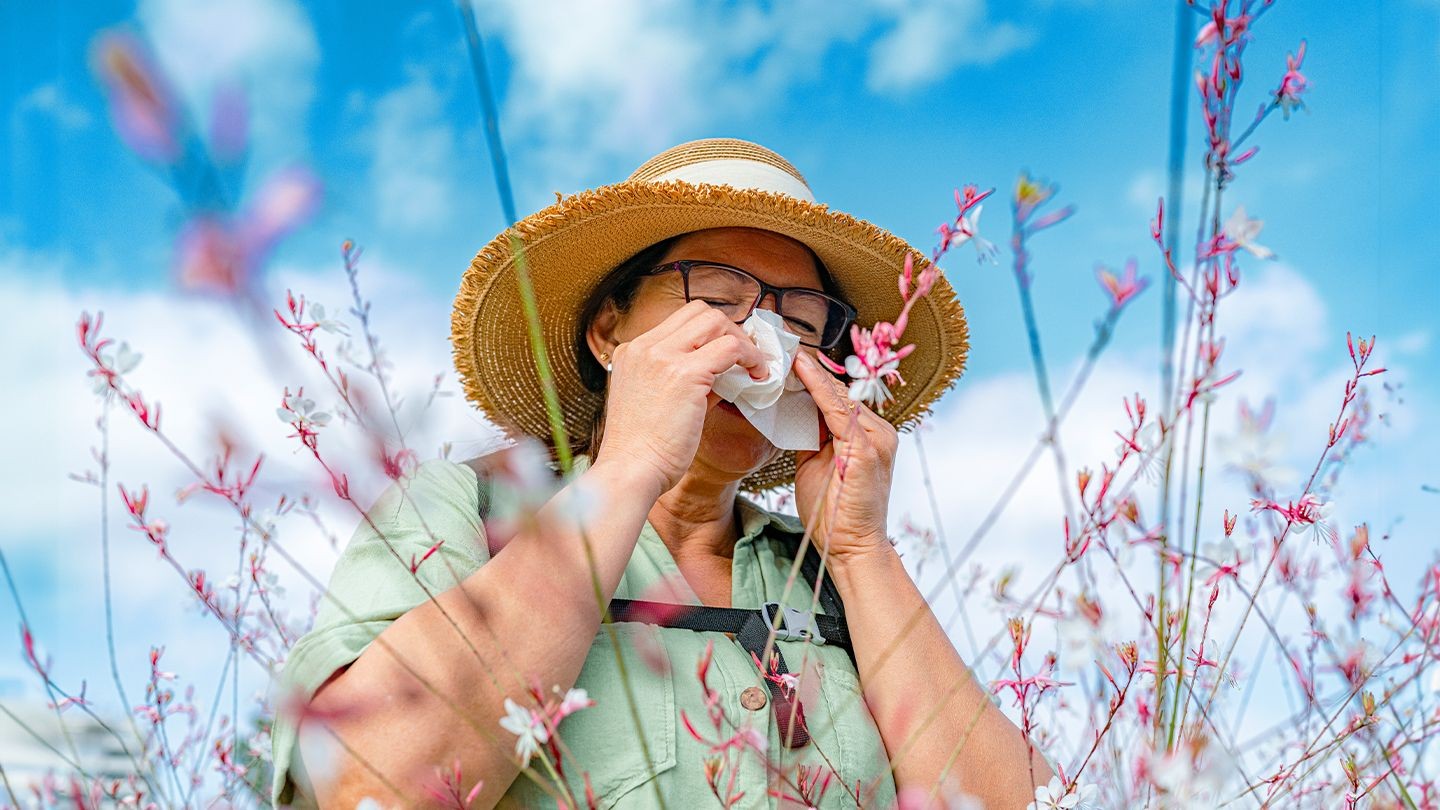
People with psoriasis – a chronic skin condition causing scaly, itchy patches – are significantly more likely to also experience allergies like asthma or hay fever. This isn’t a coincidence; both conditions stem from an overactive immune system, though they trigger in different ways. Understanding this connection is key for those managing both, as optimizing treatment for one may subtly impact the other.
The Common Ground: Immune Dysfunction
Psoriasis, eczema, and allergies all share a root cause: immune system misfire. The body attacks itself or overreacts to harmless substances. While the exact pathways differ, research shows distinct immune cell patterns in skin biopsies from psoriasis versus allergic reactions. Genetic predisposition and environmental triggers play a role in developing either condition, and having one increases the odds of developing another.
The key difference is how these conditions are activated. Allergies are typically triggered by known allergens (pollen, foods, etc.), while psoriasis flares can be less predictable, responding to factors like stress, skin injury, or even certain medications.
Can Treating One Condition Help the Other?
For individuals with both psoriasis and allergies, minimizing allergic reactions could reduce psoriasis flares by lowering overall inflammation. However, allergies are rarely a primary driver of psoriasis. Most psoriasis treatments won’t directly improve allergy symptoms, and vice versa.
There are exceptions: topical steroids, light therapy, and consistent skin moisturization can benefit both psoriasis and eczema. Biologic drugs used for severe psoriasis rarely have a direct impact on allergies. In rare cases, these drugs can paradoxically trigger eczema.
Lifestyle Changes for Dual Relief
Regardless of the specific interplay between psoriasis and allergies, certain habits can improve both:
- Skin care: Gentle cleansers and regular moisturizing are crucial.
- Trigger avoidance: Identifying and minimizing personal triggers is essential.
- Diet: A Mediterranean-style diet rich in fruits and vegetables can support immune health.
- Weight management: Obesity worsens both psoriasis and allergic conditions.
- Smoking cessation: Smoking exacerbates both conditions.
- Stress reduction: Mind-body practices like yoga or regular exercise can help regulate the immune system.
The Bottom Line
The overlap between psoriasis and allergies highlights the complexity of the immune system. Managing one condition doesn’t guarantee control over the other, but a holistic approach – including lifestyle modifications and targeted treatments – can improve overall health for those affected by both.
Sources:
National Psoriasis Foundation, Mayo Clinic, Frontiers in Immunology, Archives of Dermatological Research.