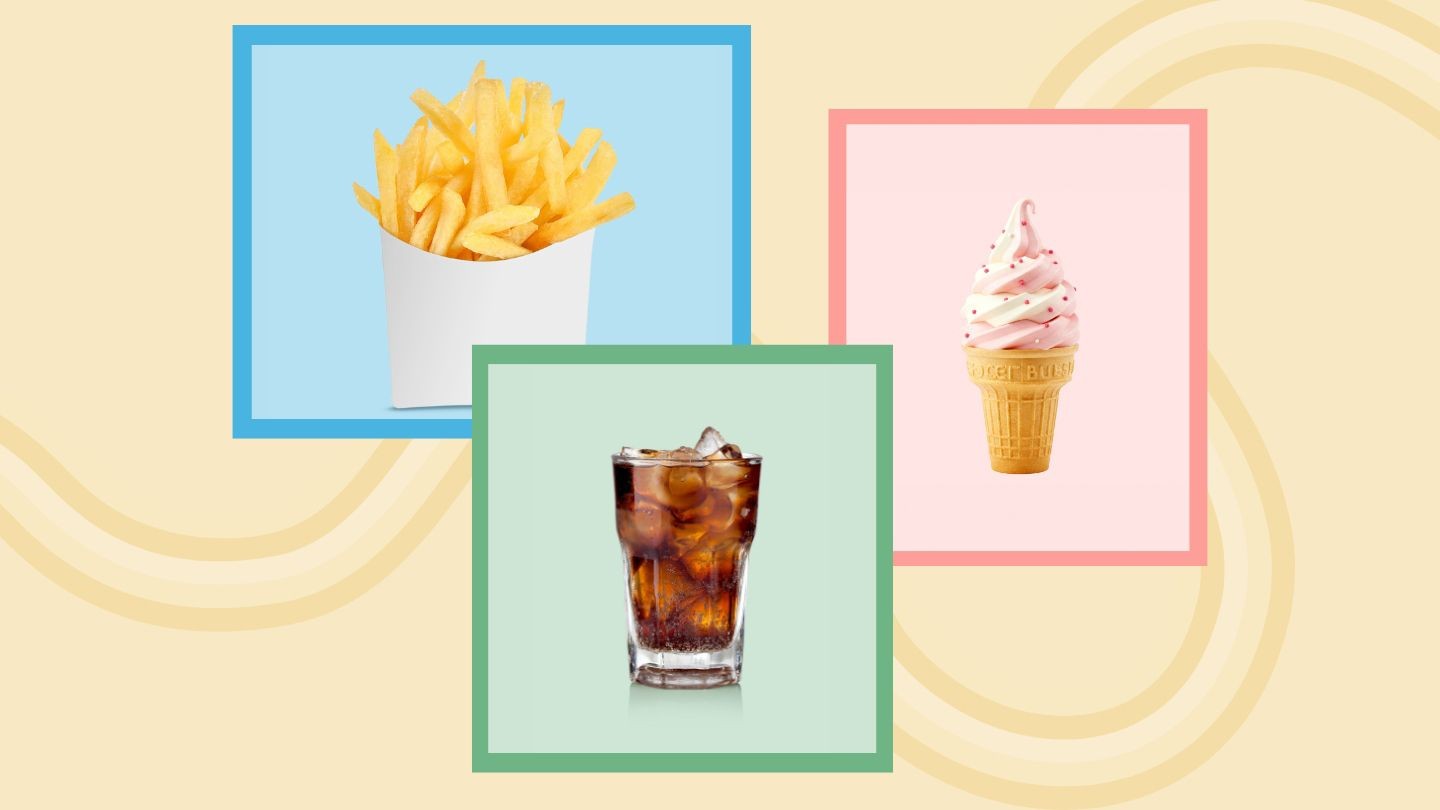
The foods we consume directly influence our health, skin vitality, and even our biological age – a measure of how well our cells function over time. While an occasional indulgence won’t drastically impact aging, consistently prioritizing certain foods can accelerate the process. This isn’t merely about aesthetics; it’s about how efficiently our bodies repair themselves daily, and food is a critical factor in that recovery.
This article identifies seven common foods that can contribute to premature aging, backed by scientific research and expert insights. Avoiding or limiting these can significantly improve long-term health and cellular function.
1. Ultra-Processed Foods: The Aging Accelerator
Ultra-processed foods – including hot dogs, frozen pizzas, and instant soups – are manufactured through industrial processes, often containing minimal whole ingredients and excessive amounts of sugar, salt, saturated fat, and artificial additives. Research demonstrates a clear link between high consumption of these foods and accelerated aging.
A study of over 16,000 individuals found that those who derived 68–100% of their calories from ultra-processed foods aged nearly one biological year faster than those with minimal intake. This is because these foods trigger chronic inflammation, breaking down systems at an accelerated rate. Inflammation is a key driver of age-related diseases, making this a serious concern.
2. Processed Meats: Shortening Your Cellular Lifespan
Sausage, hot dogs, deli meats, and canned meats have been linked to shortened telomeres – protective caps on chromosomes that prevent damage. Shorter telomeres are a marker of biological aging, increasing the risk of heart disease and type 2 diabetes.
These meats are also loaded with nitrates (preservatives), salt, and saturated fat, contributing to weight gain and potentially increasing cancer risk. Reducing processed meat intake can help preserve telomere length and overall cellular health.
3. Sugary Drinks: Fueling Inflammation and Cellular Damage
Added sugars in soda, desserts, and sweetened snacks worsen metabolic health and accelerate aging. One study found that middle-aged women with high added sugar consumption exhibited more advanced cellular aging, likely due to inflammation and oxidative stress.
Oxidative stress, an imbalance of antioxidants and free radicals, damages cells and contributes to chronic diseases. Choosing whole fruits over sugary drinks can help lengthen telomeres and slow down the aging process.
4. Fried Foods: The AGE Problem
Cooking at high temperatures, such as frying, promotes the formation of advanced glycation end products (AGEs). AGEs stiffen structural proteins like collagen, hardening blood vessels and increasing inflammation.
Fried foods also cause oxidative stress, damaging cells and raising the risk of heart disease and cancer. Opting for lower-temperature cooking methods like baking, steaming, or air-frying with healthy oils (olive or avocado) can mitigate these effects.
5. Refined Carbohydrates: Spiking Blood Sugar and Accelerating Glycation
White bread, pasta, and rice cause rapid blood sugar spikes, leading to glycation – the process that produces AGEs. This can influence skin aging and overall cellular decline.
Prioritizing high-quality carbohydrates with fiber (whole grains, fruits, vegetables) is associated with slower biological aging. Diets high in refined carbs accelerate the process.
6. Alcohol: Damaging DNA and Weakening Antioxidant Defenses
Alcohol damages telomere DNA, and excessive consumption is linked to shorter telomere length. One study found that hard liquor had a greater age-accelerating effect than beer, likely due to its higher alcohol content and lower polyphenol levels.
Alcohol also weakens the skin’s antioxidant defenses, leading to premature aging and visible signs of wear. Moderation is key to minimizing these effects.
7. High-Sodium Foods: Fueling Inflammation and Oxidative Stress
Many common foods (canned soups, packaged snacks, fast food) are high in sodium, contributing to inflammation, high blood pressure, and cardiovascular events.
Excess sodium also promotes oxidative stress, making skin more prone to wrinkles. Reducing intake of these foods can help preserve telomere length and overall health.
The Bottom Line:
The foods we eat significantly impact how quickly our bodies age. Avoiding or limiting ultra-processed foods, processed meats, sugary drinks, fried foods, refined carbohydrates, alcohol, and high-sodium options can slow down cellular aging, reduce inflammation, and promote long-term health. Dietary choices matter, and prioritizing nutrient-rich foods is essential for a longer, healthier life.