Pilates is a versatile exercise method suitable for all ages and fitness levels. While generally accessible, newcomers may face a learning curve. This guide provides essential information for beginners, covering proper attire, injury prevention, and a structured four-week training plan to ease you in.
The History and Benefits of Pilates
Developed in the early 20th century by Joseph Pilates, this technique consists of 50 specific movements designed to improve flexibility, strength, balance, and overall physical fitness. Unlike high-impact workouts, Pilates focuses on controlled movements and core engagement.
Why this matters: Pilates is effective because it addresses both muscle strength and body awareness. It’s often used in rehabilitation, making it ideal for those with injuries or limited mobility. Its low-impact nature means fewer risks of overuse injuries compared to other forms of exercise.
How Often Should You Do Pilates?
Starting with one to two Pilates sessions per week is recommended. Experts suggest integrating these sessions into a balanced fitness routine alongside cardio and strength training.
The key: Consistency. Seeing noticeable improvements takes about six to eight weeks of regular practice (one to two times per week). The initial phase focuses on neuromuscular education – training your nerves to activate the correct muscles.
Session Length and Class Types
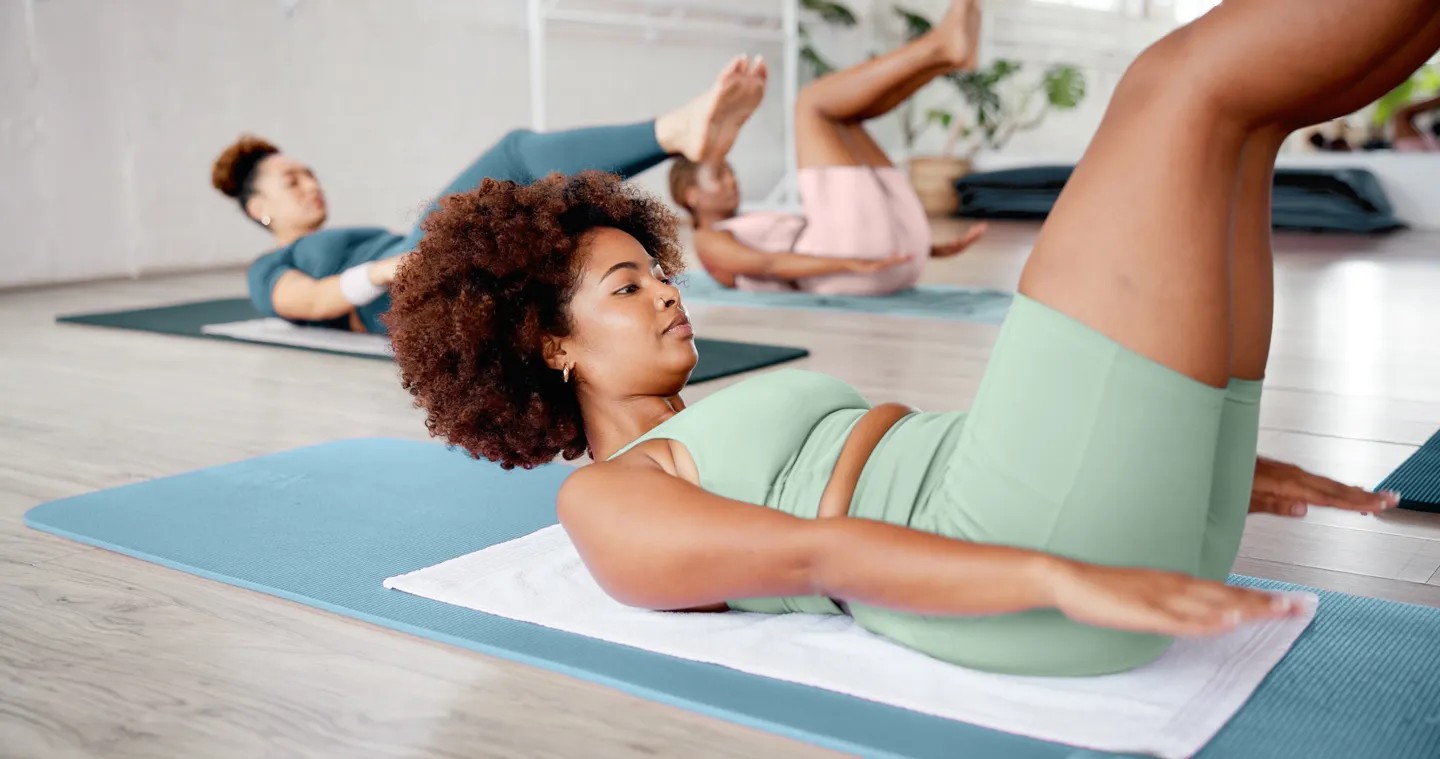
A beginner Pilates session should start at 20 minutes and gradually increase as you gain comfort. For first-timers, mat-Pilates is the ideal starting point over classes using specialized equipment like reformers or towers.
Why this matters: Mat Pilates requires no equipment, making it accessible. It teaches foundational movements before introducing complexity.
What to Wear and Essential Gear
Comfortable, elastic clothing is crucial. Joggers, shorts, and breathable tops work well. Avoid baggy clothes, as they hinder proper form assessment. Going barefoot is preferred for optimal friction and range of motion; otherwise, use socks with grippers.
For home workouts, consider a mat, yoga blocks, and a foam roller.
Staying Injury-Free
Pilates was originally developed to aid recovery and injury prevention in dancers. Prioritizing correct form is the most effective way to stay safe. Start with private instruction or small group classes where instructors can provide personalized feedback.
Why this matters: Incorrect form can lead to chronic pain. A qualified instructor can correct posture and ensure proper muscle engagement, reducing injury risk.
Warming Up for Pilates
Pilates inherently incorporates a gradual warm-up through its movements. However, dynamic stretches – such as hip and spine rotations – can further prepare your body.
A Four-Week Training Plan
Pilates complements both cardio and strength training. Consider incorporating it into a routine that includes 150 minutes of moderate aerobic activity and two strength-training sessions per week.
Sample Plan:
- Weeks 1-2: Two Pilates sessions per week, combined with strength training.
- Weeks 3-4: Increase Pilates sessions to three per week while maintaining strength training and incorporating zone 2 cardio (moderate-intensity exercise where you can still hold a conversation).
Adjust the plan based on your fitness level. If you’re new to exercise, start slower.
The Bottom Line
Pilates is an effective, low-impact workout for improving strength, flexibility, and body awareness. Starting slowly, prioritizing form, and integrating it into a balanced routine yields optimal results. Consulting with a fitness professional ensures a tailored program aligned with your needs.