


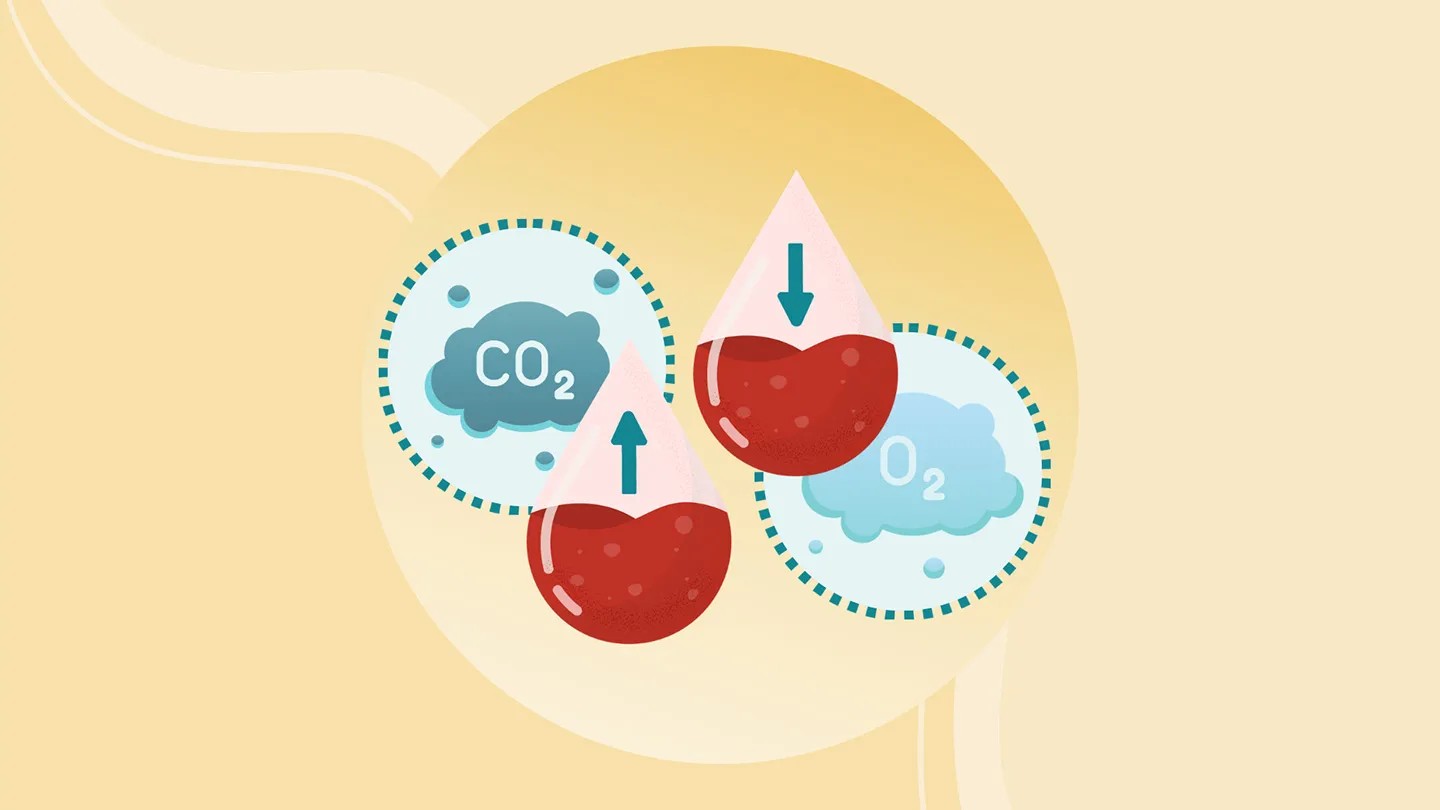
Obesity Hypoventilation Syndrome (OHS)—historically referred to as Pickwickian syndrome —is a serious respiratory condition that occurs when breathing becomes too shallow or too slow. This inefficiency prevents the body from properly exchanging gases, leading to a dangerous buildup of carbon dioxide and a deficiency of oxygen in the bloodstream.
While often linked to Obstructive Sleep Apnea (OSA), OHS is a distinct and potentially life-threatening complication that requires proactive medical management.
The Mechanics of the Condition
The exact cause of OHS remains a subject of ongoing research, but medical experts believe it stems from a complex interplay of biological factors:
- Physical Obstruction: Excess adipose tissue (fat) around the neck, chest, and abdomen can physically restrict the ability to take deep, effective breaths.
- Neurological Regulation: Changes in how the brain signals the body to breathe may disrupt normal respiratory patterns.
- Hormonal Influence: Hormones produced by fat cells may interfere with the body’s respiratory control mechanisms.
Recognizing the Symptoms
Because OHS often overlaps with sleep apnea, symptoms can manifest both during sleep and throughout the day. It is vital to distinguish between general fatigue and the specific respiratory markers of the syndrome.
Daytime Warning Signs
- Chronic Fatigue: Intense tiredness or excessive daytime sleepiness.
- Respiratory Distress: Shortness of breath, even during mild activity.
- Neurological Effects: Frequent headaches, dizziness, and difficulty concentrating.
Nocturnal Warning Signs (Common in Sleep Apnea)
- Loud, persistent snoring.
- Observed pauses in breathing or gasping/choking sounds during sleep.
- Waking up with morning headaches.
Diagnosis and Clinical Testing
If a patient presents with these symptoms, doctors typically begin by calculating the Body Mass Index (BMI). A BMI of 30 or higher is a primary indicator for further investigation. To confirm a diagnosis and rule out other lung diseases (like COPD), several tests may be ordered:
- Arterial Blood Gas (ABG): A direct measurement of oxygen and carbon dioxide levels in the blood.
- Pulse Oximetry: A non-invasive sensor used to monitor oxygen saturation.
- Pulmonary Function Tests: To assess overall lung capacity and health.
- Imaging: Chest X-rays or CT scans to check for structural issues.
- Polysomnography (Sleep Study): To evaluate the severity of sleep apnea and its impact on breathing.
Treatment and Long-term Management
The goal of treatment is twofold: reducing the physical burden on the respiratory system and assisting the body in maintaining proper gas levels.
1. Weight Management
Weight loss is considered the primary treatment for OHS.
* Lifestyle Interventions: Implementing a healthy diet and consistent physical activity (aiming for at least 30 minutes daily).
* Surgical Options: For those unable to achieve significant weight loss through lifestyle changes, procedures such as gastric bypass may be recommended.
2. Breathing Assistance
To ensure safety during sleep, medical devices can provide necessary respiratory support:
* CPAP (Continuous Positive Airway Pressure): Delivers a steady stream of air to keep airways open.
* BiPAP (Bilevel Positive Airway Pressure): Provides varying pressure levels—higher during inhalation and lower during exhalation—often used when CPAP is not tolerated.
* Tracheostomy: In severe, rare cases, a surgical opening in the windpipe may be required to facilitate oxygen delivery.
The Risks of Inaction
Neglecting OHS can lead to a cascade of severe health complications. The lack of oxygen and excess carbon dioxide can damage the cardiovascular system, leading to hypertension (high blood pressure), pulmonary hypertension, and even right-sided heart failure.
Furthermore, the chronic lack of quality sleep can result in psychological and social issues, including depression, irritability, and an increased risk of accidents.
Critical Insight: Without intervention, the prognosis for OHS is severe; statistics suggest that nearly 50% of untreated individuals may face mortality within four years of diagnosis.
Conclusion
Obesity Hypoventilation Syndrome is a high-risk condition that bridges the gap between obesity and respiratory failure. However, through early diagnosis, consistent use of breathing assistance, and sustained weight management, the symptoms can be managed or even completely reversed.


