
A Washington state resident has been hospitalized with a previously unseen strain of avian influenza – H5N5 – marking the first confirmed human case in the United States. This follows 70 prior human infections since 2024, all involving the more common H5N1 strain. While health officials maintain that H5N5 does not currently pose a greater threat than H5N1, the emergence of a new strain warrants attention.
How the Virus Spreads
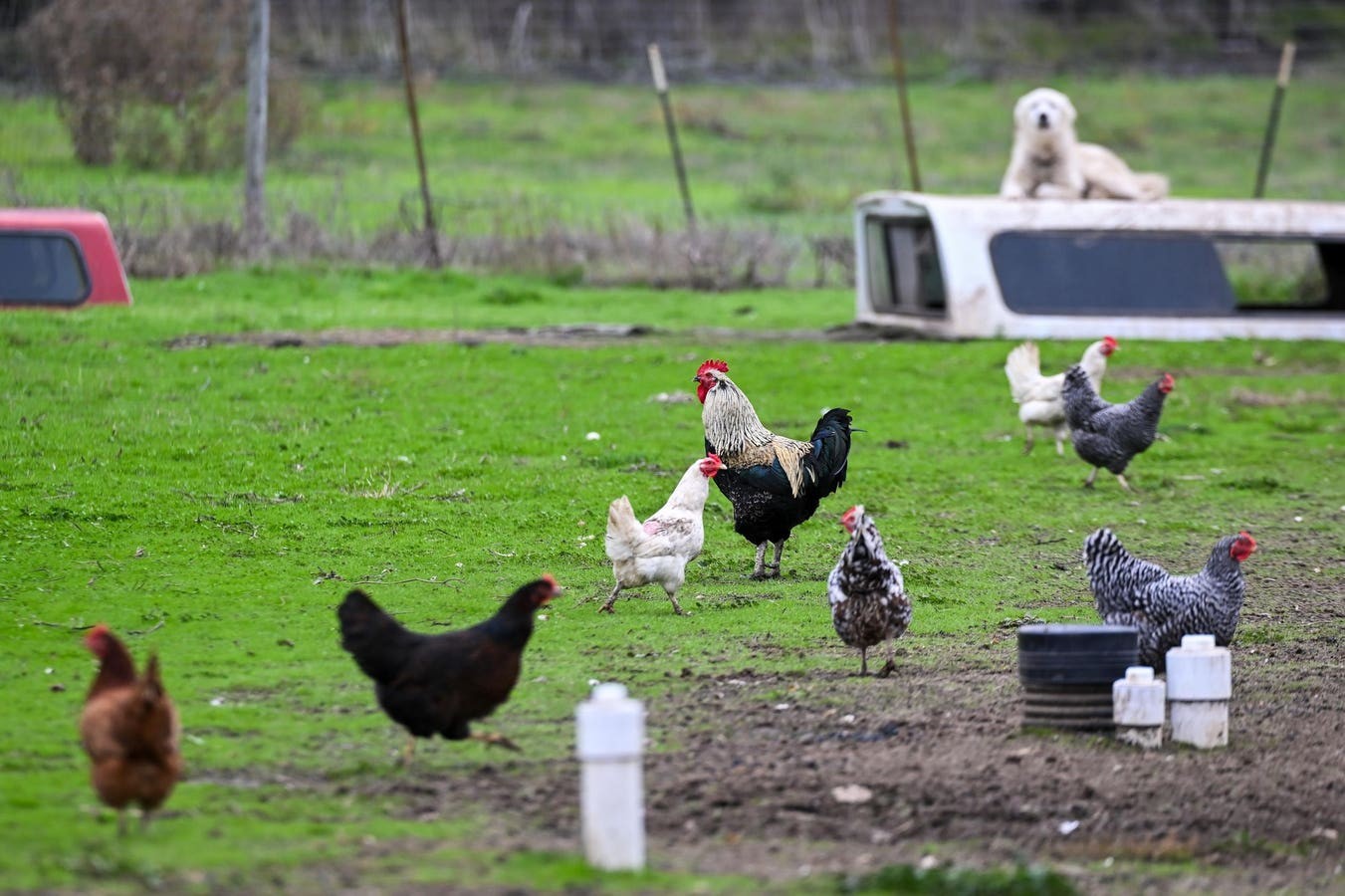
Avian influenza primarily transmits through direct contact with infected animals, especially poultry and dairy cattle. Humans contract the virus by touching contaminated bodily fluids – saliva, feces, or respiratory droplets – and then touching their eyes, nose, or mouth. Inhalation of virus-containing dust particles in animal habitats is another transmission route. The infected Washington resident, an older adult with underlying health conditions, was exposed through contact with wild birds in a backyard flock. Symptoms included high fever, confusion, and respiratory distress.
Current Risk and Monitoring
Despite this new case, the overall public health risk remains low. The Centers for Disease Control and Prevention (CDC) reports only one death among the 71 confirmed human cases since 2024. However, the situation demands ongoing monitoring. The CDC and other federal health agencies must track the virus closely for potential mutations.
The Potential for Mutation and Pandemic Risk
While sustained human-to-human transmission has not occurred in the U.S., the virus could theoretically mutate to infect human hosts more efficiently. This is why continued surveillance is vital. The Trump administration’s decision to halt the development of a bird flu vaccine, citing safety concerns with mRNA technology, raises questions about pandemic preparedness.
Protecting Yourself from Avian Flu
Avoiding direct contact with wild birds, poultry, and dairy cattle is the most effective prevention method. Those working with animals should wear personal protective equipment (PPE), including gloves, goggles, and N-95 or KN-95 masks. Regular disinfection of areas exposed to bird feces with bleach or commercial disinfectants is also recommended. Frequent handwashing for at least 20 seconds remains a crucial practice for those handling potentially infected animals.
The emergence of H5N5 highlights the ever-present threat of zoonotic diseases and the importance of proactive public health measures. Vigilance and continued research are essential to mitigate the risk of future outbreaks