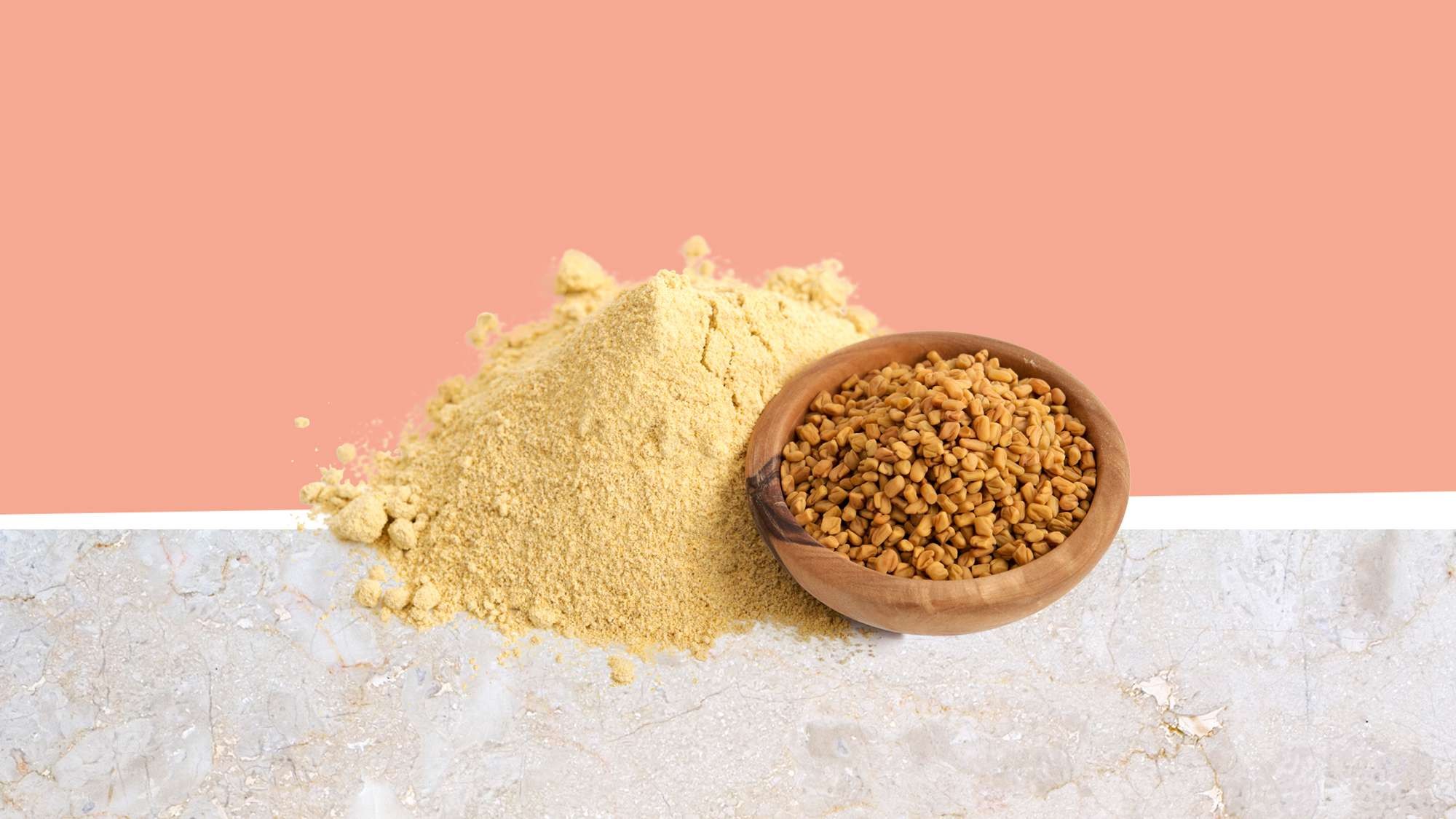
Fenugreek is an ancient herb with a growing body of scientific evidence supporting its health benefits. Traditionally used in cuisines across North Africa, Asia, and southern Europe, it’s now available as both a spice and a dietary supplement. This article breaks down what the science says about fenugreek, its potential side effects, and how to incorporate it safely into your routine.
Boosting Breast Milk Production
For centuries, fenugreek has been a natural remedy for mothers seeking to increase breast milk supply. While anecdotal evidence is strong, some studies suggest it can be effective, though side effects like increased thirst and a distinctive maple-like odor in sweat and urine have been reported.
Enhancing Testosterone and Libido
Fenugreek contains compounds that may raise testosterone levels. A 2017 study found up to a 46% increase in testosterone among men aged 35-65 after 12 weeks of supplementation. This can translate to improved libido, mental alertness, mood, and even sperm count.
Managing Blood Sugar and Cholesterol
Fenugreek can help regulate blood sugar levels, which is particularly crucial for those with diabetes or prediabetes. High blood sugar increases risks of nerve damage, vision loss, heart disease, and kidney failure. The herb may also lower LDL (“bad”) cholesterol and raise HDL (“good”) cholesterol, though more research is needed. Cardiovascular disease remains the leading cause of death in the United States, making cholesterol management critical.
Relieving Menstrual Cramps
The phytoestrogens in fenugreek mimic estrogen, offering potential relief from menstrual cramps. A 2022 study showed that fenugreek supplements reduced lower abdominal pain by 67%.
Nutritional Profile
One tablespoon of fenugreek seeds contains:
- 35.9 calories
- 0.712g fat
- 6.48g carbohydrates
- 2.73g fiber
- 2.55g protein
- 3.72mg iron
While not a vitamin powerhouse, fenugreek is a valuable addition to a balanced diet.
How to Use Fenugreek
Fenugreek has a sweet, slightly bitter flavor. You can incorporate it into dishes like lentil soup, curries, or sauces. Soaking the seeds overnight softens them for better infusion into long-cooked meals. Fenugreek tea is also available for those seeking remedies for diabetes, cramps, or lactation support.
Dosage and Safety
There’s no standard dosage. Always consult a healthcare provider before using fenugreek therapeutically. While generally safe in food amounts, excessive supplementation may lead to liver toxicity. Pregnant women and children should avoid high doses.
Drug Interactions
Fenugreek can interact with blood thinners, hypoglycemic drugs, diuretics, and heart medications. If you take any of these, discuss fenugreek use with your doctor.
Risks of Overconsumption
Daily intake should not exceed 21 grams. Some supplements contain higher dosages (up to 100g), increasing the risk of low blood sugar and liver damage. Watch for side effects like digestive upset or allergic reactions.
Fenugreek offers a range of potential health benefits, but responsible use and medical guidance are essential for maximizing its advantages while minimizing risks.