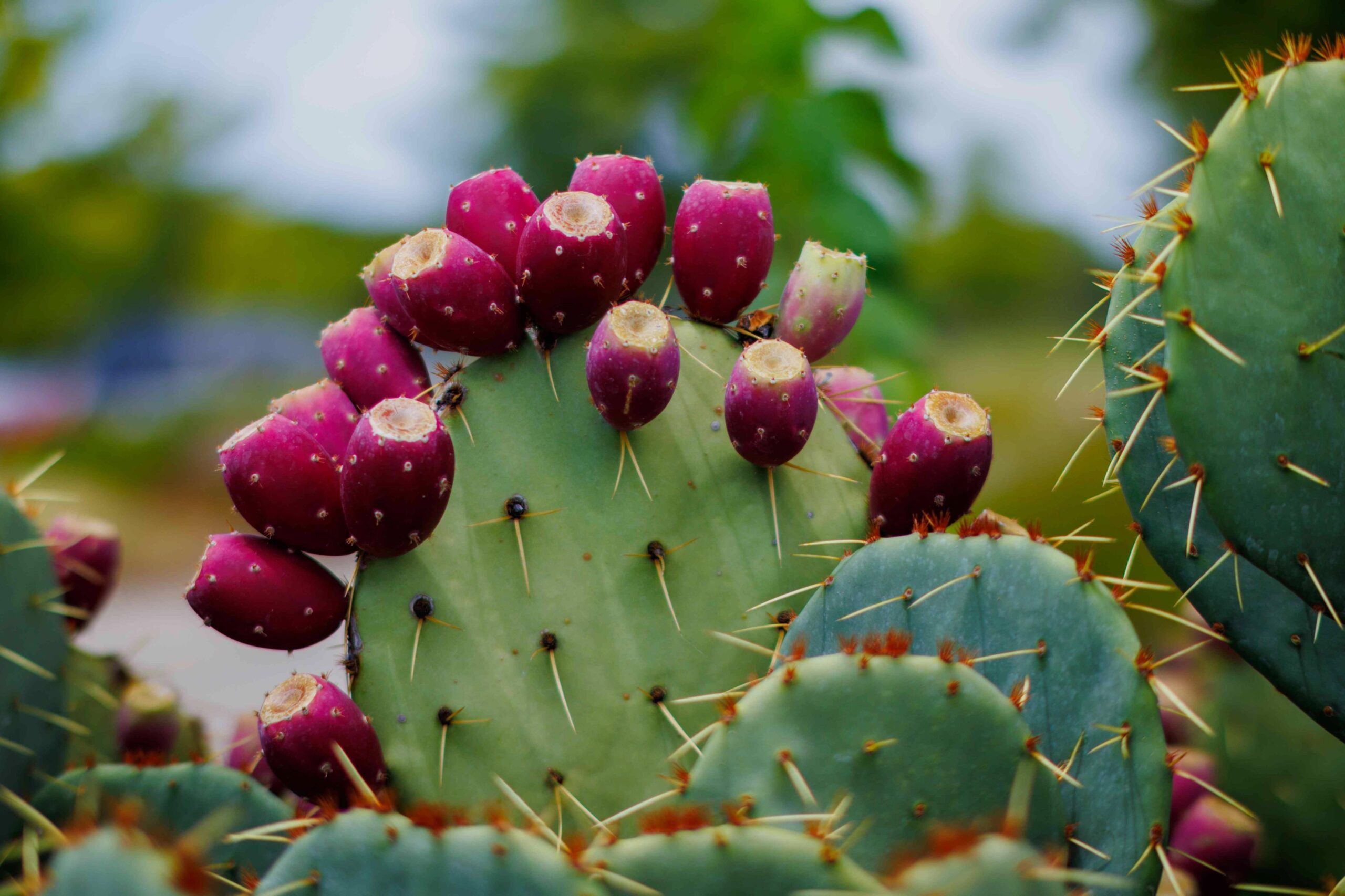
Prickly pear, also known as cactus pear or barbary fig, is gaining recognition not just as a unique fruit but as a potent health booster. Regular consumption can demonstrably reduce inflammation, improve heart health, and address key nutrient deficiencies. While traditional medicine has long valued this desert staple, modern research is now backing up these benefits with concrete data. This article breaks down what the science says about prickly pear and why it might be worth adding to your diet.
The Anti-Inflammatory Power of Prickly Pear
Inflammation is at the root of many chronic diseases, from arthritis to heart disease. Prickly pear stands out because it’s packed with antioxidants, vitamins, and plant pigments like carotenoids and betalains – compounds known for their anti-inflammatory properties.
Studies show that eating prickly pear can actually lower levels of inflammatory markers in the body. A 2018 study, for instance, found that consuming 200 grams of prickly pear pulp daily for two weeks was more effective at reducing inflammation than the same amount of strawberries or apples. Participants also saw a measurable increase in skin carotenoid levels, indicating improved antioxidant status.
Beyond lab results, this translates to real-world relief: a 2020 study on 40 people with joint pain revealed that prickly pear juice (3 ounces daily for eight weeks) led to:
- Increased range of motion
- Reduced reliance on pain medication
- Lower pain scores
- Significant drops in inflammatory markers
Boosting Heart Health Naturally
Heart disease remains a leading cause of death, but diet plays a crucial role in prevention. Prickly pear can help by lowering key risk factors. Research suggests that eating this fruit can lower LDL (bad) cholesterol and total cholesterol levels.
A small 2017 study involving 22 male athletes demonstrated that consuming 5 ounces of prickly pear juice daily for two weeks resulted in notable decreases in:
- Total cholesterol
- Triglycerides
- LDL cholesterol
- Maximal heart rate during exercise
The juice also reduced oxidative stress (measured by malondialdehyde levels), which spikes during intense physical activity. This suggests prickly pear may protect the heart even under strain.
Filling Nutritional Gaps
Many Americans are deficient in essential vitamins and minerals. Prickly pear is a surprisingly rich source of several, including potassium, vitamin C, and magnesium. Less than 3% of the US population meets the recommended daily potassium intake (4,700mg), yet one cup of prickly pear provides 7% of that need.
A single cup of raw prickly pear fruit contains:
- Calories: 61
- Carbs: 14.3g
- Fiber: 5.4g
- Protein: 1.1g
- Fat: 0.76g
- Vitamin C: 23% of Daily Value
- Copper: 13% of Daily Value
- Magnesium: 30% of Daily Value
- Potassium: 7% of Daily Value
Magnesium deficiency, in particular, is widespread and linked to increased risks of heart disease and anxiety. Prickly pear offers a concentrated dose of this essential mineral, making it a smart addition to any diet.
Risks and How to Consume It Safely
Prickly pear is generally safe for most people, but always peel the fruit before eating, as some varieties have spines. In rare cases, excessive seed consumption has caused fecal impaction (severe constipation). If you experience prolonged constipation after eating prickly pear seeds, seek medical attention.
The fruit can be enjoyed raw, cooked, or processed into jams and juices. You can swallow the seeds or spit them out – the choice is yours.
In conclusion, prickly pear is more than just a desert curiosity; it’s a scientifically backed superfood that offers genuine benefits for inflammation, heart health, and nutrient intake. If you’re looking for a natural way to improve your well-being, this unique fruit deserves a place on your plate.