You may have mastered your bedtime routine—dimming the lights, avoiding screens, and reading a physical book—yet still find yourself tossing, turning, and kicking off the covers all night. While stress is often blamed for poor sleep, the culprit might be much simpler: your thermostat.
Sleep is not just a mental state; it is a biological process deeply tied to your body’s ability to regulate heat. If your environment is too warm, you aren’t just uncomfortable—you are actively fighting your body’s natural drive to rest.
The Biological Connection: Temperature and the Circadian Rhythm
To understand why temperature matters, we have to look at the circadian rhythm, our internal biological clock. As evening approaches, your body naturally begins to drop its core temperature. This cooling process is a vital signal to your brain that it is time to release melatonin and initiate sleep.
To facilitate this, your body increases blood flow to your hands and feet, allowing heat to escape through your extremities. However, if your bedroom is too warm, this heat exchange is hindered.
The consequences of a room that is too hot include:
– Difficulty falling asleep (delayed sleep onset).
– Frequent nighttime awakenings.
– Reduced time spent in critical REM (Rapid Eye Movement) and slow-wave (deep) sleep stages.
Conversely, if a room is too cold, your body may work too hard to conserve heat, leading to muscle tension and restlessness. The goal is to find the “Goldilocks zone”—not too hot, not too cold.
Finding Your Ideal Range
While individual preferences vary based on age, gender, and even hormonal shifts (such as menopause), sleep experts generally agree on a scientific standard for adults:
The ideal sleep temperature for most adults is between 60°F and 67°F (15.6°C to 19.4°C).
Quick Reference: Specialized Temperature Needs
- Infants: Because babies are more sensitive to overheating, experts recommend a slightly warmer range of 68°F to 72°F.
- Couples: Since two bodies generate significantly more shared heat, aiming for the cooler end of the adult spectrum (closer to 60°F) can prevent overheating.
9 Practical Ways to Optimize Your Sleep Environment
Improving your sleep quality doesn’t necessarily require a major renovation. Small, strategic adjustments can make a significant difference.
1. Master Your Thermostat
Don’t just set it and forget it. Experiment by adjusting the temperature by one or two degrees every few nights. If you want to save on energy costs, use a smart thermostat to cool the room heavily just before bed and allow it to warm slightly as you wake up.
2. Enhance Airflow
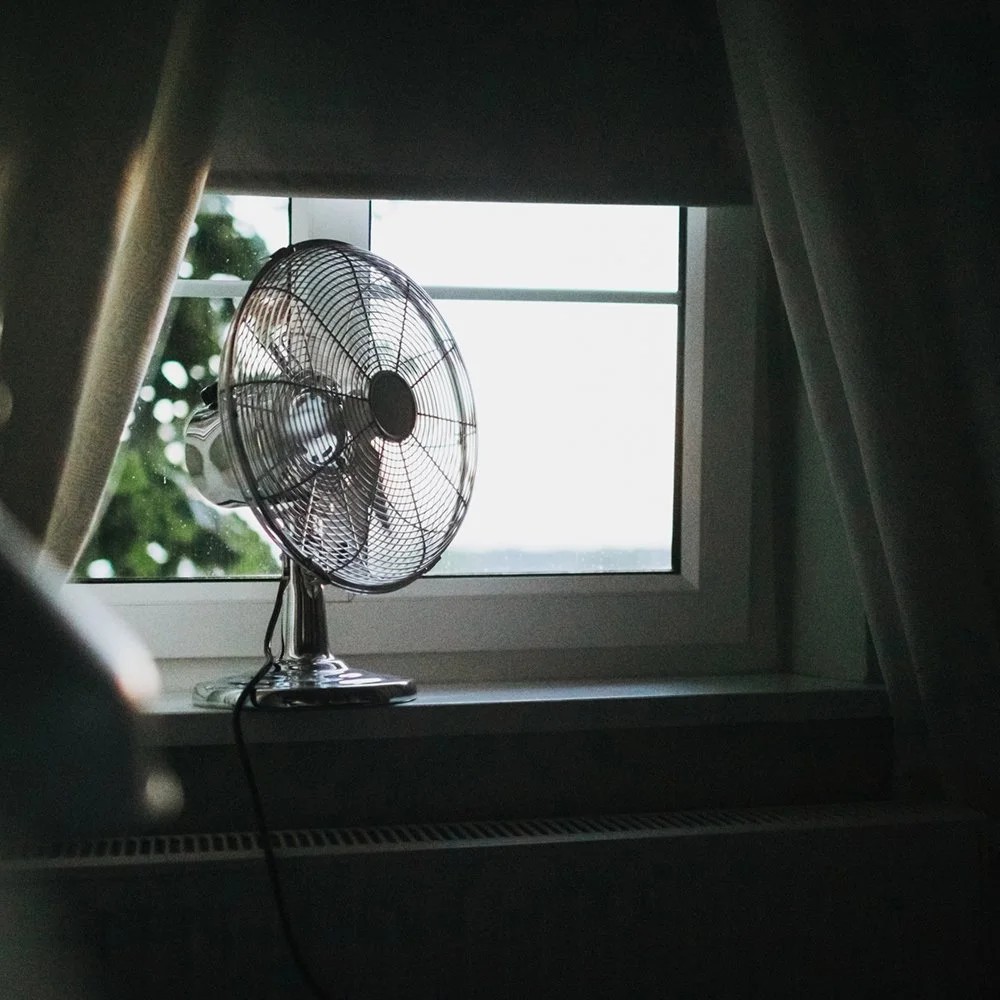
If you cannot control the central temperature, focus on circulation. Use ceiling fans or floor fans to prevent heat from pooling around your bed. If weather permits, cracking a window can help vent trapped heat.
3. Choose Breathable Fabrics
Your bedding acts as an insulator. Switch to natural, breathable materials like cotton, linen, or bamboo. Avoid heavy, synthetic fabrics that trap heat against your skin.
4. The Power of Layering
Instead of one heavy duvet, use layers. A light sheet combined with a breathable blanket allows you to add or remove layers easily throughout the night without fully waking yourself up.
5. The “Warm Shower” Paradox
It sounds counterintuitive, but taking a warm shower 60–90 minutes before bed can help you cool down. As you step out of the shower, your body rapidly releases heat, triggering the core temperature drop necessary for sleep.
6. Minimize Heat Sources
Your bedroom can act like a heat trap. Turn off electronics on standby, switch off bright lights, and use blackout curtains during the day to prevent the sun from heating up your room.
7. Wear Smart Sleepwear
Opt for lightweight, moisture-wicking fabrics. If you wake up sweaty, your pajamas may be too heavy or restrictive.
8. Invest in Cooling Technology
If you are a “hot sleeper,” consider upgrading your hardware. Gel-infused foam, breathable latex, or cooling mattress toppers are designed to disperse heat rather than absorb it, helping to maintain a consistent temperature throughout the night.
9. Maintain a Consistent Schedule
Temperature regulation is tied to your internal clock. Going to bed and waking up at the same time every day helps reinforce your body’s natural cooling cycles. Additionally, avoiding heavy meals and alcohol in the evening can prevent metabolic heat spikes that disrupt rest.
Summary
Optimizing your bedroom temperature is one of the most effective ways to support your body’s natural biological processes. By maintaining a cool environment—ideally between 60°F and 67°F —you allow your core temperature to drop, facilitating deeper, more restorative sleep.