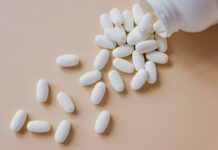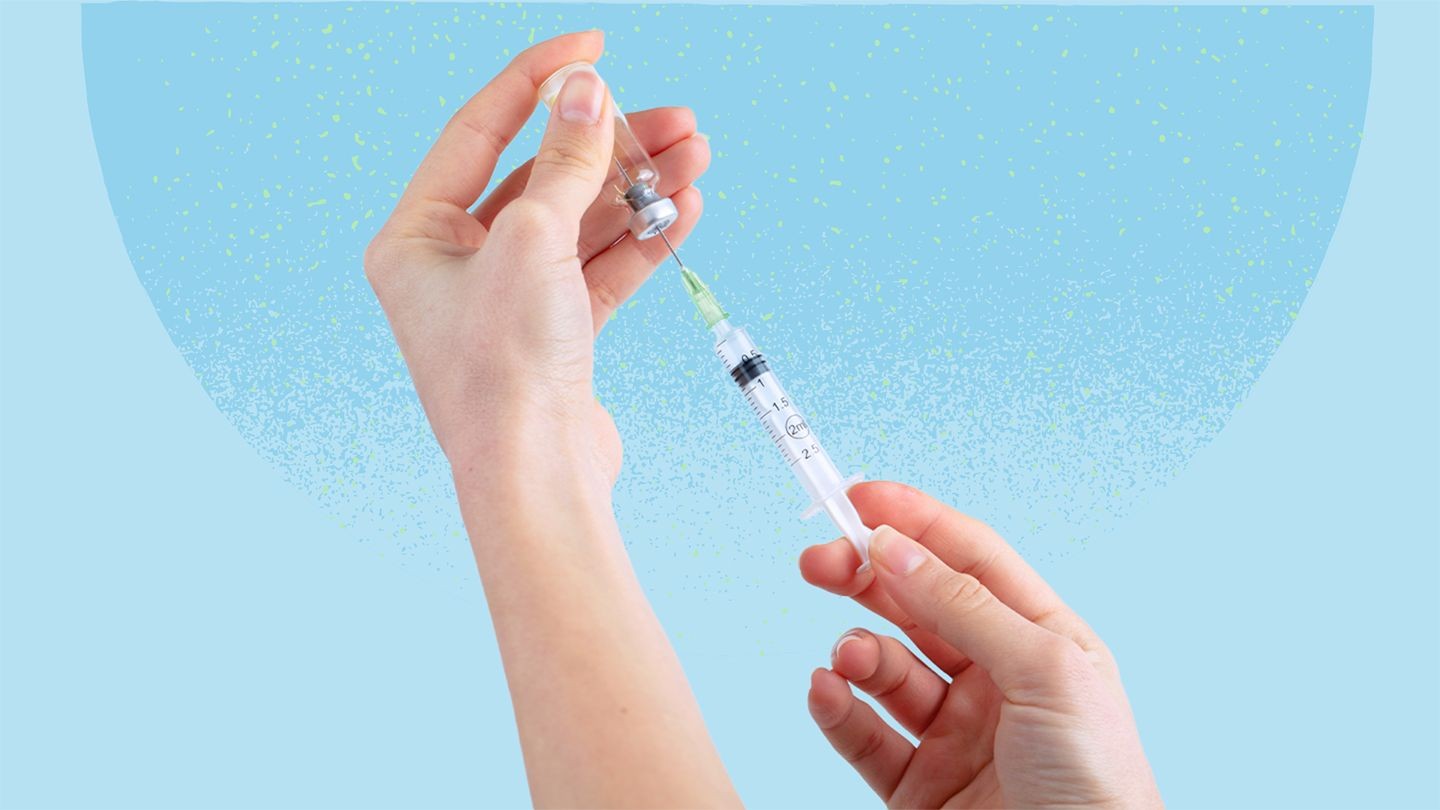
The rising popularity of medications like Ozempic and Mounjaro has led to a new trend: “microdosing.” This involves taking smaller-than-prescribed doses of these drugs in hopes of weight loss with fewer side effects, or simply to stretch a limited supply. While anecdotal reports suggest some benefit, scientific evidence supporting microdosing remains scarce. Here’s a breakdown of what we know, and why it matters.
Why Are People Microdosing?
Several factors are driving this practice. First, GLP-1 medications have faced shortages, prompting some to ration their supply by taking smaller doses. Second, high costs and inconsistent insurance coverage make full-dose treatment inaccessible to many. Finally, some believe smaller doses can reduce unpleasant side effects like nausea and diarrhea without sacrificing weight loss.
However, this approach is not without risks. The FDA has not approved microdosing, and the long-term effects are unknown.
What Does the Research Show?
The available data is clear: higher doses of GLP-1 drugs typically lead to greater weight loss. Clinical trials demonstrate a dose-dependent relationship, meaning the more medication you take (within safe limits), the more weight you are likely to lose.
There is currently no strong evidence that microdosing produces meaningful or lasting weight loss. Experts caution that reducing the dose too much may render the medication ineffective. The body needs a consistent level of the drug to function properly.
Is Microdosing Sustainable?
Weight loss achieved through GLP-1s, whether at full or reduced doses, is not guaranteed to be permanent. Studies show that most people regain weight once they stop taking the medication, regardless of how fast they lost it initially.
That said, doctors may recommend starting with a lower dose to minimize side effects and allow the body to adjust. However, this should be done under medical supervision.
When Might Microdosing Be Appropriate?
Microdosing may be considered in specific cases, such as managing intolerable side effects or transitioning off the medication under a doctor’s care. If standard doses cause severe nausea or diarrhea, a lower dose could be a viable compromise.
However, self-adjusting dosage is not recommended. It’s crucial to work with a healthcare professional to determine the right approach for your individual needs.
The Bottom Line
Microdosing GLP-1 drugs is not an evidence-based weight loss strategy. While it may offer some benefits in specific situations (such as side effect management), it carries risks and lacks scientific support.
The best approach remains working with your doctor to find a safe and effective treatment plan, whether it involves medication, lifestyle changes, or a combination of both.