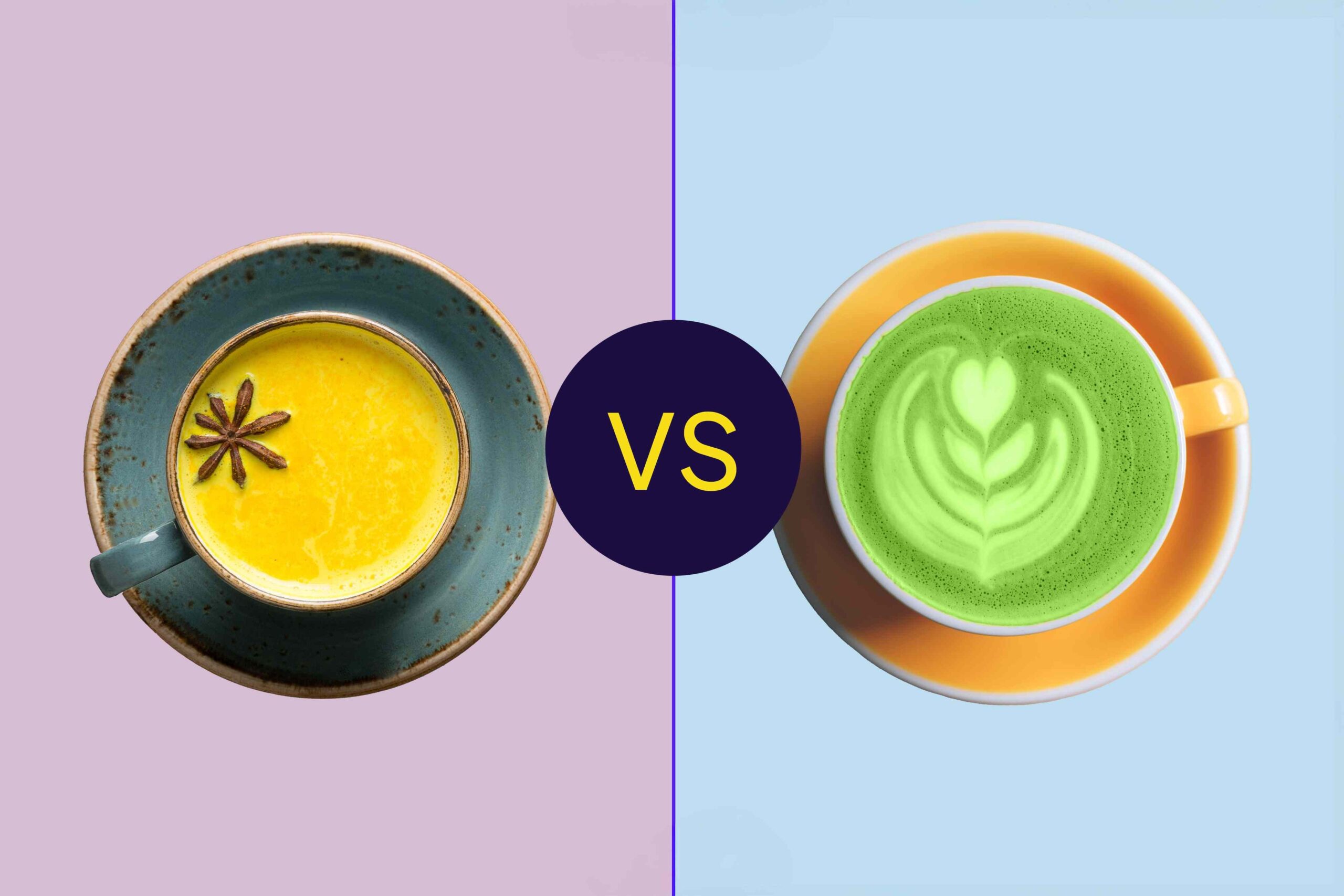
Turmeric lattes and matcha are both popular beverages known for their antioxidant and anti-inflammatory benefits, but they deliver those advantages in different ways. Choosing between the two depends on your specific wellness goals – whether you prioritize relaxation and digestive support or sustained energy and cognitive enhancement.
Anti-Inflammatory Power: Turmeric Leads, But Matcha Helps
Turmeric’s curcumin is a potent anti-inflammatory agent, proven effective in mitigating conditions like arthritis, heart disease, and even certain cancers by reducing chronic inflammation. However, curcumin absorption is poor without black pepper, which dramatically enhances its bioavailability. This is crucial: without it, much of the benefit is lost.
Matcha also offers anti-inflammatory effects through its high concentration of epigallocatechin gallate (EGCG), a powerful catechin. While not as direct as curcumin, EGCG supports heart health and metabolic function. Both drinks offer advantages: turmeric for targeted inflammation relief, matcha for broader antioxidant protection.
Energy and Focus: Matcha for Steady Performance
Matcha provides a unique energy boost due to its combination of caffeine and L-theanine. The L-theanine tempers the caffeine’s effects, creating a calm alertness without the jitters. This is ideal for tasks requiring sustained focus. Turmeric lattes, while relaxing, don’t offer this cognitive edge.
How They’re Made: A Quick Breakdown
- Turmeric Latte (Golden Milk): Powdered turmeric root blended with milk (dairy or plant-based), often spiced with ginger, cinnamon, cardamom, and black pepper.
- Matcha: Finely ground green tea leaves whisked into water or milk. The shade-growing process increases nutrient density.
Choosing the Right Drink for You
Turmeric lattes excel if you want:
- Joint Pain Relief: Curcumin effectively reduces inflammation in joints.
- Relaxation: Perfect as a calming evening beverage.
- Improved Digestion: Spices aid in breaking down food and reducing bloating.
Matcha is better if you want:
- Sustained Focus: The caffeine-L-theanine combo enhances attention.
- Heart Health Support: EGCG protects arteries and manages cholesterol.
- Metabolic Boost: Aids in fat burning during exercise.
Turmeric Latte: Deep Dive into Benefits
Curcumin’s power extends beyond inflammation. It enhances brain health by increasing Brain-Derived Neurotrophic Factor (BDNF), promoting neuron growth and improving memory. The addition of black pepper ensures this benefit reaches the brain.
Turmeric also supports heart health by improving blood vessel function and lowering bad cholesterol. Its digestive benefits stem from stimulating bile production and fostering a healthy gut microbiome.
Matcha: A Cognitive and Metabolic Powerhouse
Matcha’s catechins, particularly EGCG, provide powerful antioxidant protection. The L-theanine and caffeine combination boosts cognitive function, enhancing focus and alertness. Studies confirm that matcha improves performance on attention-based tasks.
Matcha also aids weight management by increasing metabolic rate and promoting fat burning. Its effects on insulin sensitivity help regulate blood sugar, reducing the risk of type 2 diabetes.
The Verdict: No Clear Winner, Just Different Strengths
Both turmeric lattes and matcha offer significant health benefits. Turmeric shines in anti-inflammatory support and digestive health, while matcha excels in energy, focus, and metabolic support. The best choice depends entirely on your individual needs and preferences.