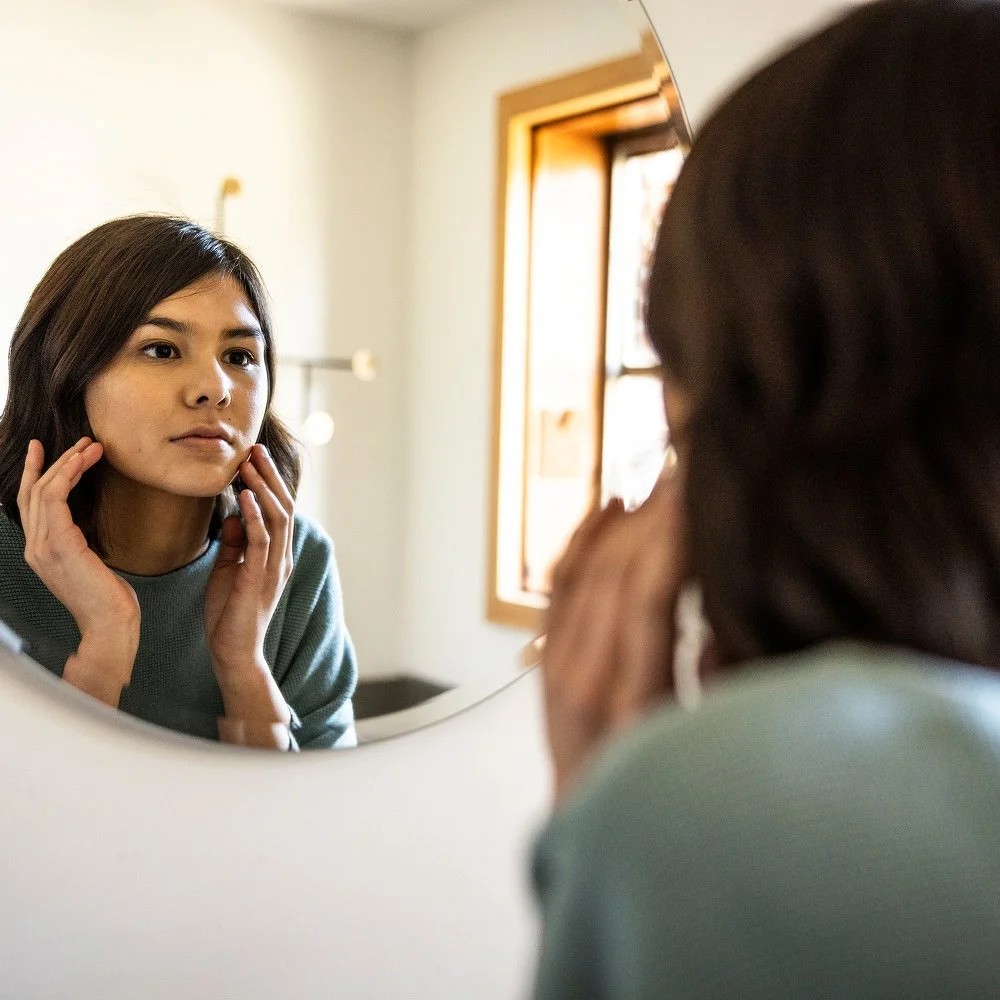
Stress is unavoidable in modern life, but did you know it can literally erupt on your face? We’re talking about stress acne — those frustrating breakouts that seem to pop up right when deadlines loom or life feels overwhelming. If you find yourself struggling with pimples during particularly stressful times, understand this: you’re not alone.
Stress acne is incredibly common, and while it can feel intensely personal (like your skin betraying you), the science behind it is pretty straightforward. Let’s break down why stress triggers these unwelcome guests and how to create a skincare routine that supports calm both inside and out.
The Hormonal Connection: Stress as an Oil Slick
When faced with pressure, our bodies react by releasing stress hormones like cortisol. While these chemicals help us manage threats (fight or flight!), they wreak havoc on our skin.
Here’s how the hormonal cascade unfolds:
- Overdrive Oil Production: Cortisol revs up your oil glands, leading to a surplus of sebum that clogs pores and paves the way for pimples.
-
Inflammation Amplifier: These hormones also crank up inflammation throughout your body, making existing breakouts appear redder, larger, and more painful.
-
Repair Slowdown: As if that weren’t enough, stress hormones slow down your skin’s natural healing process, prolonging the life of those pesky blemishes and leaving behind stubborn marks.
The Behavioral Domino Effect
Stress doesn’t just impact our biology; it influences our habits too. Often, when we’re under pressure, we:
- Shortchange Sleep: Sleep deprivation throws your hormonal balance further off-kilter, making acne more likely.
- Gravitate Toward Comfort Foods: Sugary snacks and processed foods can spike blood sugar levels, leading to additional inflammation that fuels breakouts.
- Neglect Skincare: Our routines fall by the wayside during busy times, leaving skin vulnerable and prone to flare-ups.
These behaviors act as an extra layer of stress-induced acne fuel.
7 Strategies for Stress-Free Skin (and Mind!)
Addressing stress acne requires a two-pronged approach: calming the inner storm and creating a consistent skincare routine that supports your skin’s natural resilience. Here’s how to tackle both sides:
-
Keep Skincare Simple: Resist the urge to overcomplicate things when you’re stressed! A gentle cleanser, lightweight moisturizer, and daily sunscreen are your best friends. Overdoing it with active ingredients can irritate already sensitive skin.
-
Incorporate Mini Reset Moments: Find tiny pockets of calm throughout your day. Try deep breaths before a meeting, a few minutes of mindful walking outdoors, or a brief guided meditation. These micro-breaks signal to your body that it’s safe to relax, reducing stress hormones in the process.
-
Prioritize Rest Where You Can: Aim for consistent sleep, even if it means adjusting bedtime routines. Even adding 30 minutes of extra rest can make a difference.
-
Become Aware of Touch Habits: Stress often triggers unconscious face-touching which can worsen inflammation and scarring. Keep your hands busy with fidget toys, consider pimple patches as barriers, or simply be mindful of the urge to touch your face.
-
Move Your Body Mindfully: Exercise is a powerful stress reliever, but choose activities you enjoy rather than dreading them. Gentle stretches in the morning, brisk walks during lunch breaks, or dancing to your favorite tunes at home all count!
-
Practice Mindful Eating: Avoid relying on sugary comfort foods when stressed. Focus on nourishing choices like protein, fiber-rich carbs, and plenty of water for stable blood sugar levels and reduced inflammation.
-
Seek Support When Needed: If stress acne persists despite your efforts, reach out to a dermatologist. They can provide stronger treatment options or rule out other underlying conditions. Talking to a therapist can also be incredibly helpful for managing the root causes of stress.
Remember: Clear skin is not about perfection; it’s about finding what works best for you and creating a skincare routine that complements your overall wellbeing. By addressing both internal and external factors, you can reclaim control over breakouts and cultivate a healthier, happier relationship with your skin — even when life throws curveballs your way.