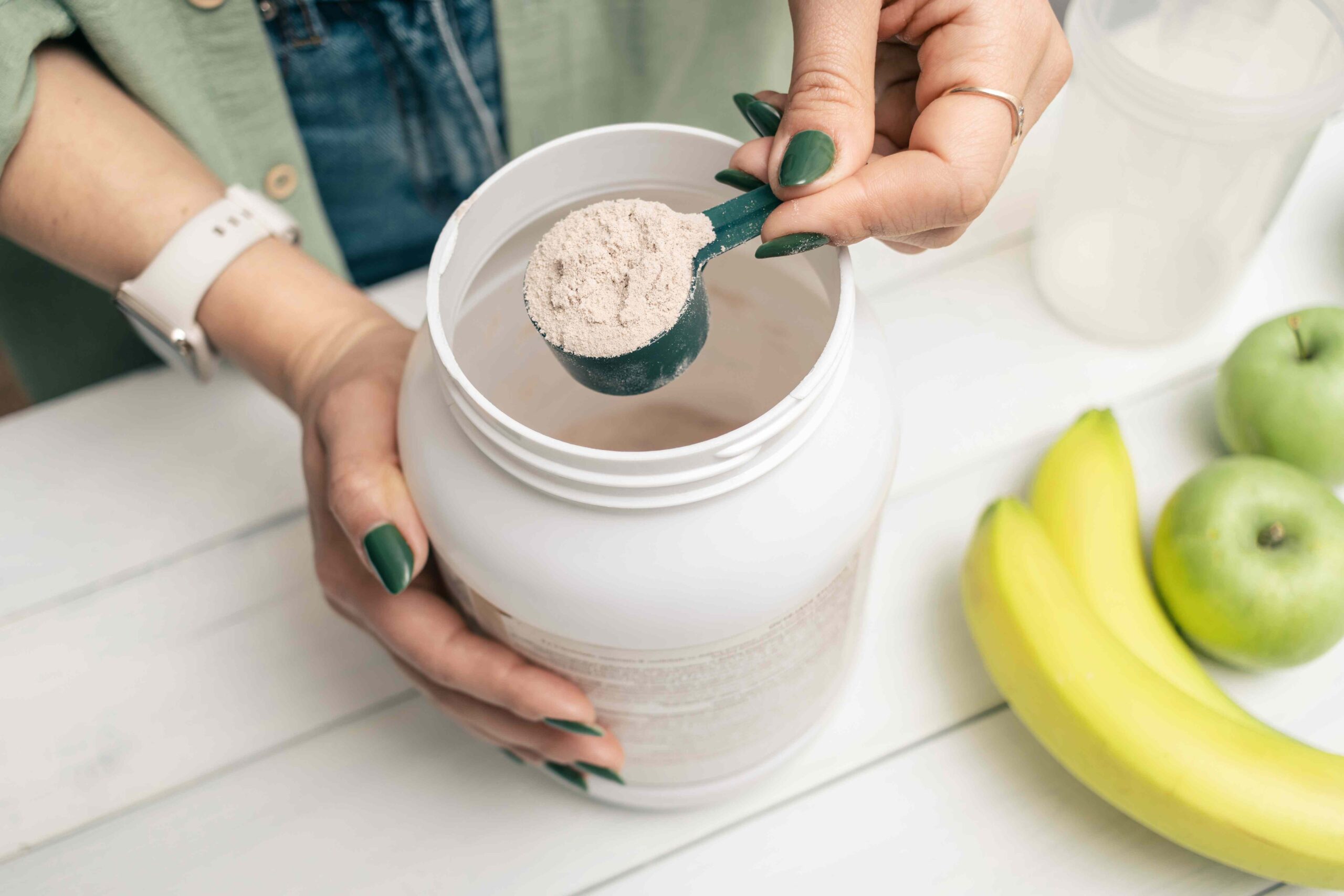
For many aiming to optimize health and fitness, protein powder and supplements are common tools. However, certain combinations can lead to digestive discomfort or reduced effectiveness. Understanding these interactions is crucial for maximizing benefits while avoiding unwanted side effects.
Creatine: Diminishing Returns
Combining creatine and protein powder is generally safe and can even enhance nutrient uptake. However, exceeding recommended dosages (3–5 grams daily) with protein doesn’t necessarily improve results. The body saturates muscle stores, excreting excess. Overloading doesn’t equate to greater gains; it risks dehydration, gastrointestinal upset, and even kidney strain. Stick to effective dosing for optimal results.
Pre-Workout Supplements: The Caffeine Overload
Many pre-workout supplements contain caffeine, which spikes heart rate and blood pressure. Some protein powders also contain caffeine. Combining high doses can delay gastric emptying, causing nausea, cramping, or reflux. This isn’t harmful but uncomfortable. Timing and tolerance matter more than direct interaction. Protein shakes digest best when the body isn’t in fight-or-flight mode from excess stimulants.
Amino Acid Blends: Redundancy, Not Synergy
Amino acid blends, like branched-chain amino acids (BCAAs), support muscle building. Most protein powders already contain sufficient amino acids (20–30 grams per serving). Stacking additional BCAAs doesn’t provide a meaningful advantage. Excess amino acids could even lower tryptophan availability, potentially affecting mood.
Iron or Zinc Supplements: Absorption Interference
Protein powders vary in calcium content. Calcium competes with iron for absorption. While taking iron and protein shakes together isn’t harmful, the delayed effect is clinically irrelevant for most people without iron deficiency. Separate intake for optimal absorption if iron levels are a concern.
Herbal Supplements: Hidden Stimulants
Herbal supplements like ginseng and green tea extract often contain hidden stimulants. Combining these with caffeine from protein powders or pre-workouts elevates heart rate and stresses the digestive system. Excess caffeine disrupts sleep and recovery, hindering muscle growth.
Safe Stacking Strategies
Consistency matters more than precise timing. Certain supplements pair safely with protein powder.
- Omega-3s, vitamin D, probiotics, carbohydrate powders, electrolytes, and green powders don’t interfere with absorption.
- For caffeine or creatine, follow label instructions and space out intake to avoid overloading the digestive system.
- Iron supplements should be taken on an empty stomach with vitamin C, two hours before consuming calcium, zinc, coffee, or tea.
Prioritizing a well-rounded approach and understanding potential interactions ensures you maximize the benefits of your supplement routine without unwanted side effects