


It’s never too late to learn how to swim, and learning solo is entirely possible! This guide focuses on mastering the front crawl (also known as freestyle), the most efficient stroke for beginners, as it builds foundational skills transferable to other strokes.
1. Getting Comfortable in the Water
Developing comfort is the initial and most important step. Start in the shallow end of a pool where you can easily stand. To build comfort, practice exhaling underwater. Stand comfortably, inhale, gently sink (or simply put your face in the water), and exhale by blowing bubbles. After that, introduce side breathing: inhale above water, place your face in the water (leaving your ears above the surface), exhale, and rotate your head to inhale again. Repeat this process until you feel at ease.
2. Mastering the Float
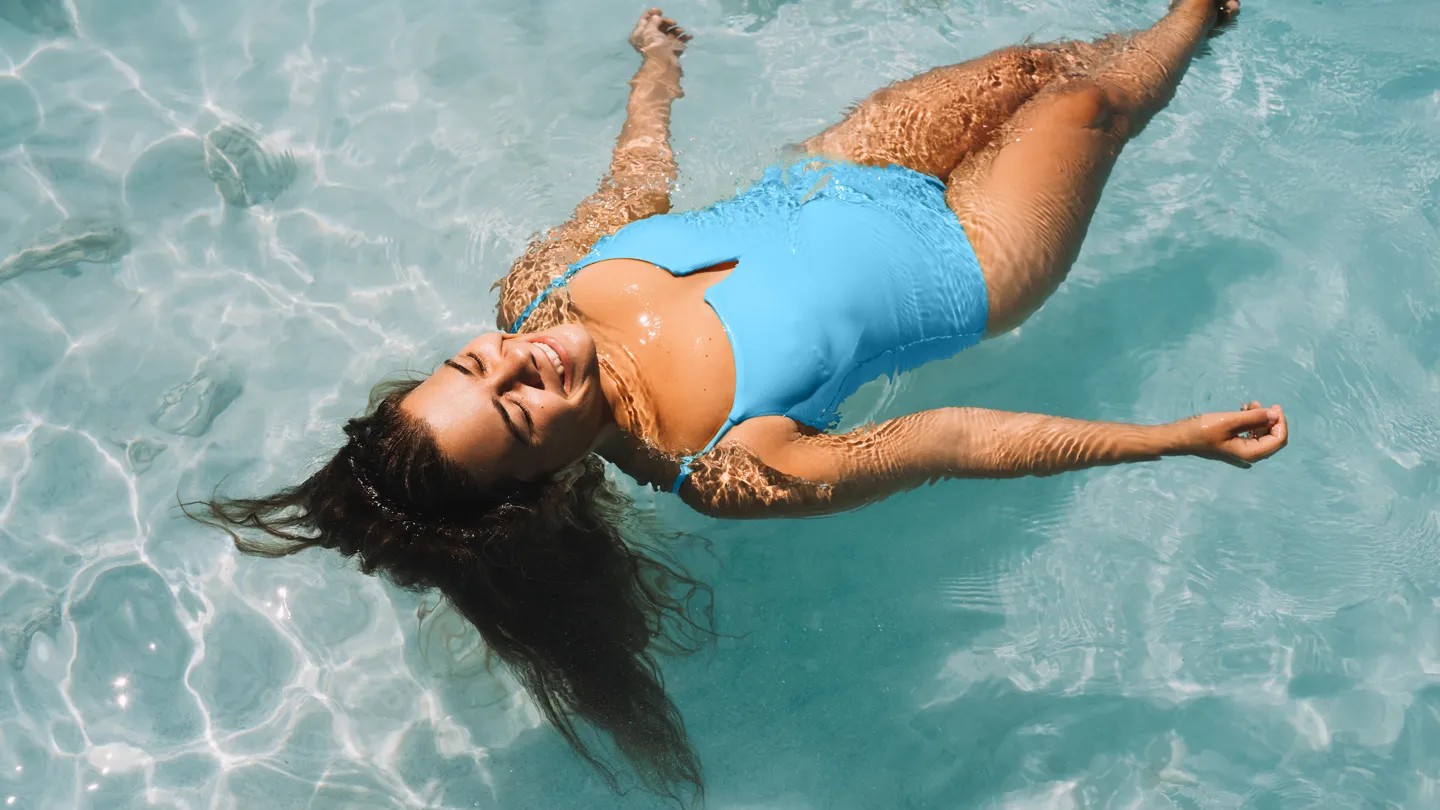
Floating is a core swimming skill. If you struggle with this, you may find swimming challenging. Practice the front float first, ideally in the shallow end and possibly with a pool noodle for support. Start by standing a few feet away from the wall, holding onto the edge, and extending your body backward with your arms, lifting your hips and legs toward the surface. Relax your muscles and use side breathing to maintain your float. Alternatively, try back floating; gently allowing your body to float up to a horizontal position, which is often easier for beginners.
4. Kicking for Propulsion
Many people focus on the upper body, but your legs are crucial for both propulsion and staying afloat. Start in a front float, holding the pool’s edge. Keeping your knees soft, kick your legs up and down, alternating your feet and generating power from your glutes and hips. Keep your legs and feet just below the surface and use quick, small kicks, avoiding wide, walking-like movements. Remember to exhale underwater, turn your head to breathe, and continue the kicking motion until you’re comfortable breathing while kicking.
5. Incorporating Arm Movements
Once you’re comfortable with kicking, introduce the arm movements of the front crawl. Stand in the shallow end with your arms outstretched in front, palms down, and fingers together. Take a deep breath and bend at your waist, placing your face in the water. Pull one arm down straight in front of you, sweeping your hand past your hip, and use your palm as a paddle. Turn your head to the same side to breathe as your arm moves through the water. Lift your hand and arm out of the water, leading with your elbow, and reach forward to return to the starting position. Repeat with the other arm, breathing on the side you find most comfortable.
6. Combining the Elements & Practice
Once you’re comfortable with each component, it’s time to put them together. Face away from the pool wall, extend your arms, crouch down, and kick off the wall to propel yourself into the pool. Begin kicking and performing your arm strokes in rhythm, and remember to breathe consistently with your side breathing. Continue this series of motions until you can swim the width of the pool without stopping, gradually venturing into deeper areas as your confidence grows.
Consistent practice is key to mastering swimming. By breaking down the process into manageable steps and focusing on developing each skill individually, you can successfully learn to swim by yourself.
Learning to swim solo requires dedication and patience, but with consistent practice, you can achieve your goal.


