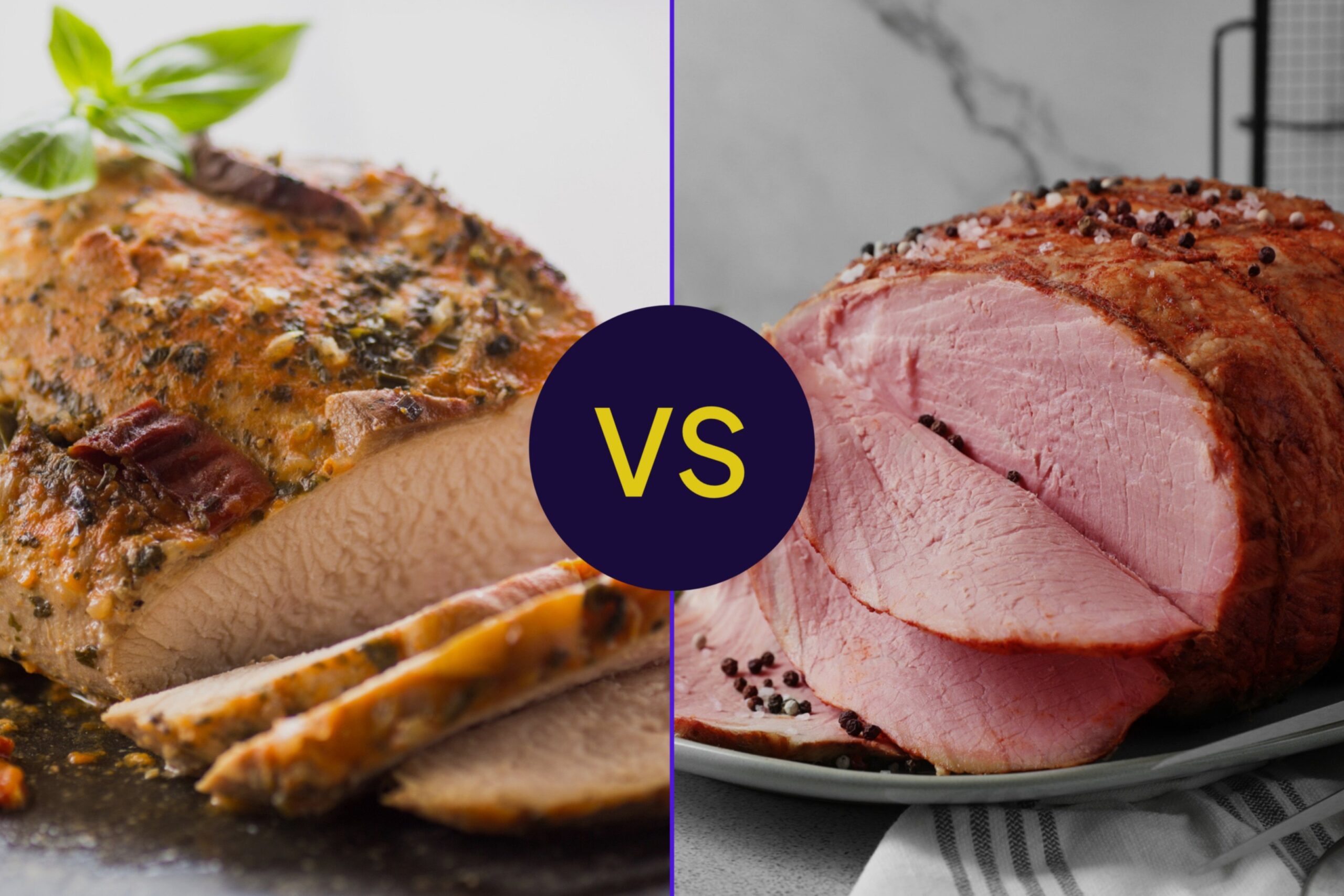
For those managing blood pressure or cholesterol, turkey emerges as the healthier choice between ham and turkey, though both can fit into a balanced diet with mindful preparation. The key difference lies in sodium and saturated fat content, both crucial factors in cardiovascular health.
Why Sodium Matters
Ham, often processed through curing or smoking, generally contains significantly more sodium than turkey. Excess sodium is a leading cause of hypertension, a major risk factor for stroke and heart disease. While opting for low-sodium ham, using salt-free seasonings, or reducing glazes can mitigate this, the baseline sodium content in ham remains higher.
As Johanna Contreras, MD, a cardiologist at Mount Sinai Fuster Heart Hospital, explains: “For heart health, roasted, skinless turkey—especially breast meat—is a significantly healthier choice than ham.” This is because turkey naturally has lower sodium levels, supporting healthier blood pressure.
Cholesterol and Saturated Fat: Another Key Difference
Turkey also edges out ham when it comes to cholesterol management. While both contain saturated fat (especially in the skin or fattier cuts), lean turkey breast offers a more favorable profile. Saturated fat contributes to elevated LDL (“bad”) cholesterol, which can lead to arterial plaque buildup and increased risk of heart disease.
Grace Derocha, RDN, CDCES, a registered dietitian, emphasizes: “The leanest options are skinless poultry (white meat) and unprocessed lean pork cuts.”
Nutritional Breakdown: Turkey vs. Ham (per 3oz serving)
Here’s a quick comparison:
- Ham: 209 calories, 15.72g protein, 1,089mg sodium, 5.64g saturated fat. (Note: processing adds more sodium and sugar.)
- Turkey (Roasted): 170 calories, 24g protein, 55mg sodium, 2.5g saturated fat.
These numbers demonstrate the clear advantage of turkey in terms of both sodium and saturated fat levels. Brining or leaving the skin on turkey can increase sodium and fat, respectively, but even then, it tends to remain lower than ham.
Making Either Choice Healthier
Whether you choose turkey or ham, these strategies can minimize the impact on heart health:
- Prioritize lean cuts: Opt for skinless turkey breast and unprocessed lean pork cuts.
- Limit processing: Cured and glazed meats are higher in sodium and sugar.
- Season wisely: Use salt-free herbs and spices instead of relying on salt.
- Control portion sizes: Moderation is key to managing saturated fat intake.
The bottom line: If you’re actively managing blood pressure or cholesterol, turkey offers a clearer path to heart health. However, with careful preparation and mindful choices, both meats can be part of a balanced diet.