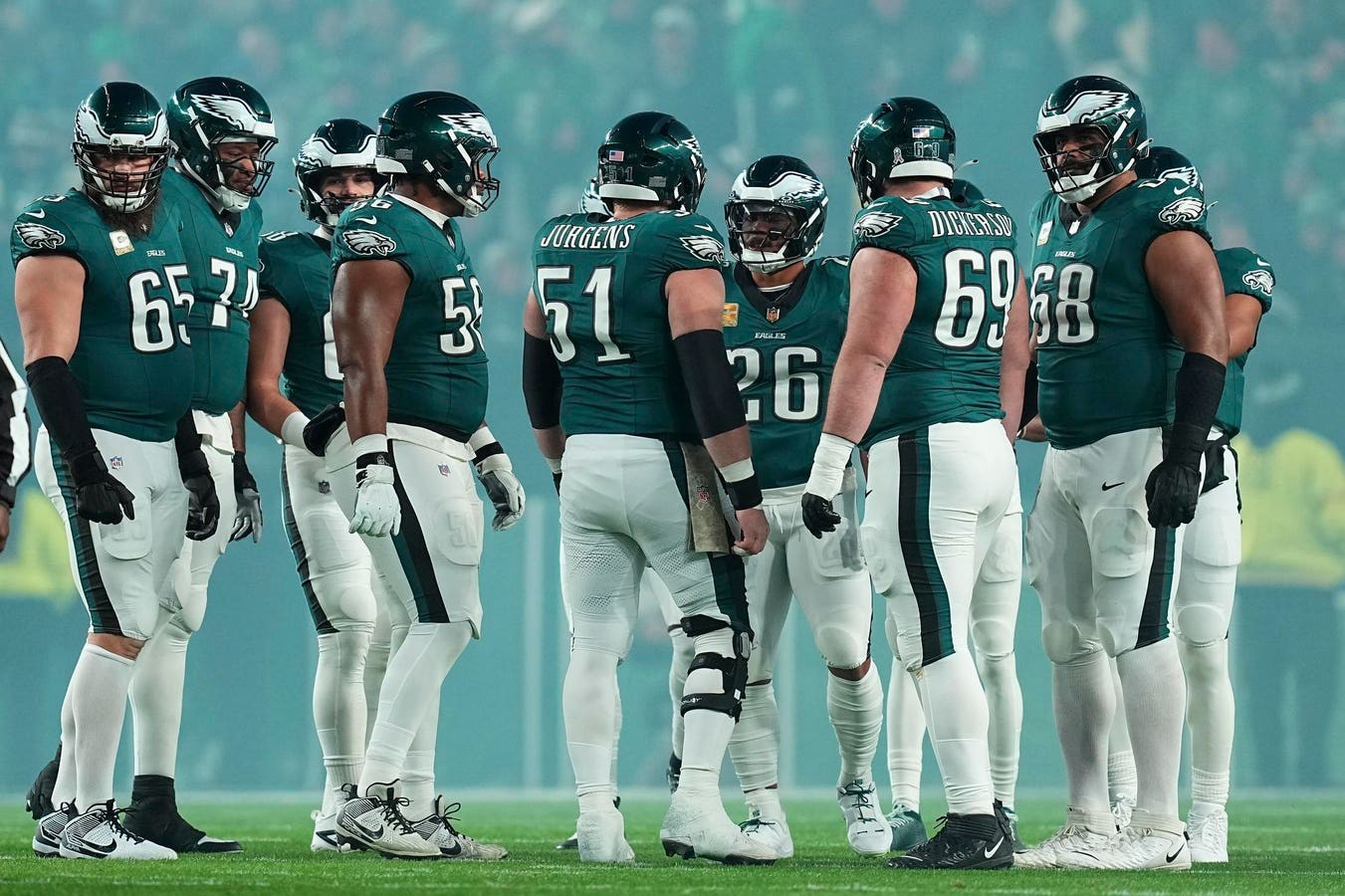
Philadelphia Eagles right tackle Lane Johnson suffered a Lisfranc injury to his left foot during Sunday’s game against the Detroit Lions, and will likely miss four to six weeks. The injury, though obscure-sounding, is a significant blow to the team’s offensive line. Here’s a breakdown of what happened, what this injury entails, and what the timeline for his return looks like.
Understanding the Lisfranc Injury
The term “Lisfranc injury” refers to damage to the Lisfranc joint – a critical but often overlooked area in the midfoot. Named after 19th-century French surgeon Jacques Lisfranc de St. Martin, who first documented fractures in this area, the joint connects the metatarsal (long foot bones) to the tarsal (ankle/midfoot bones).
Injuries can range from simple ligament sprains to severe fractures or dislocations. The severity dictates the treatment path, but all Lisfranc injuries share one common symptom: pain in the top of the foot, especially when pushing off to run or walk. Doctors diagnose them through physical tests (checking for pain when moving toes or doing heel raises) and imaging like X-rays, CT scans, or MRIs.
How Do These Injuries Happen?
Lisfranc injuries typically occur when the foot is forcefully twisted while planted. This can happen during high-impact plays in football, or from falls where the foot is bent and rotated under stress. The injury is aggravated when force is applied to the ball of the foot while the heel is fixed, or when the foot is crushed under weight.
Treatment and Recovery
Treatment depends on the injury’s severity. Mild sprains may heal with rest, ice, compression, and elevation (RICE). More serious fractures or dislocations often require surgery.
Surgical options include open reduction internal fixation (ORIF), where bones are realigned and held in place with screws and plates. A more permanent solution is midfoot fusion, where bones are fused together to eliminate joint movement. Recovery from surgery can take six months to a year, and even then, some players may not fully regain function due to potential arthritis or lasting instability.
Johnson’s Case & the Eagles’ Outlook
Early reports suggest Johnson’s injury does not require surgery, meaning he could return within four to six weeks. The Eagles have already replaced him with Fred Johnson, but losing a six-time Pro Bowler like Lane Johnson will undoubtedly impact the team’s offensive line performance.
The team will need to adjust its blocking schemes and rely on other players to step up in his absence. Johnson’s return timeline is optimistic, but any complications could extend his recovery period. For now, the Eagles must navigate the next month or more without one of their key protectors, while monitoring Johnson’s progress closely.