While there is no “magic diet” that can instantly cure psoriasis, what you put on your plate plays a significant role in how you feel. Psoriasis is an inflammatory condition, meaning the body is in a constant state of immune activation. Because of this, dietary choices can either fuel that inflammation or help soothe it.
The Connection Between Diet and Psoriasis
Managing psoriasis through nutrition isn’t just about skin; it’s about systemic health. Research from institutions like Johns Hopkins Medicine suggests that certain dietary patterns can help manage symptoms:
- Combatting Inflammation: Reducing “pro-inflammatory” triggers—such as added sugars, alcohol, and unhealthy fats—can help minimize flare-ups.
- Addressing Deficiencies: People with psoriasis are often linked to lower levels of Omega-3 fatty acids, Vitamin D, Vitamin B12, and selenium.
- Managing Comorbidities: Psoriasis is frequently associated with an increased risk of metabolic syndrome, type 2 diabetes, and heart disease. Therefore, a diet that supports heart health and stable blood sugar is essential.
To help you navigate these nutritional needs, here are seven delicious, nutrient-dense lunch recipes designed to fight inflammation and provide essential vitamins.
1. Curried Pumpkin Soup 🎃
This warming soup leverages the power of turmeric, a spice renowned for its anti-inflammatory properties.
Pro-Tip: The recipe includes black pepper, which is crucial because it helps your body absorb curcumin (the active ingredient in turmeric) more effectively.
- Key Benefits: Rich in antioxidants and uses low-sodium broth to support heart health.
- Quick Stats: 165 calories | 4g fiber | 3g protein
- Prep/Cook Time: 40 minutes total.
2. Sheet Pan Salmon and Asparagus Tacos 🌮
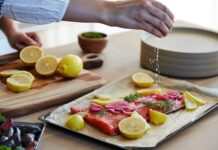
This is a high-efficiency meal that delivers a heavy dose of Omega-3 fatty acids from the salmon, which are vital for skin and heart health.
- Key Benefits: Asparagus provides fiber, Vitamin C, and folate. Using whole-grain tortillas and Greek yogurt adds extra protein and fiber.
- Quick Stats: 463 calories | 2.6g fiber | 35g protein
- Prep/Cook Time: 25 minutes total.
3. Chocolate, Peanut Butter, Banana, and Oatmeal Smoothie 🥤
If you need a meal replacement that keeps you full, this smoothie is a powerhouse. It is naturally vegan and highly nutritious.
- The Secret Ingredient: Hemp hearts. These seeds are one of the best plant-based sources of protein, Vitamin E, potassium, and Omega-3s.
- Quick Stats: 440 calories | 9.9g fiber | 22g protein
- Prep/Cook Time: 5 minutes.
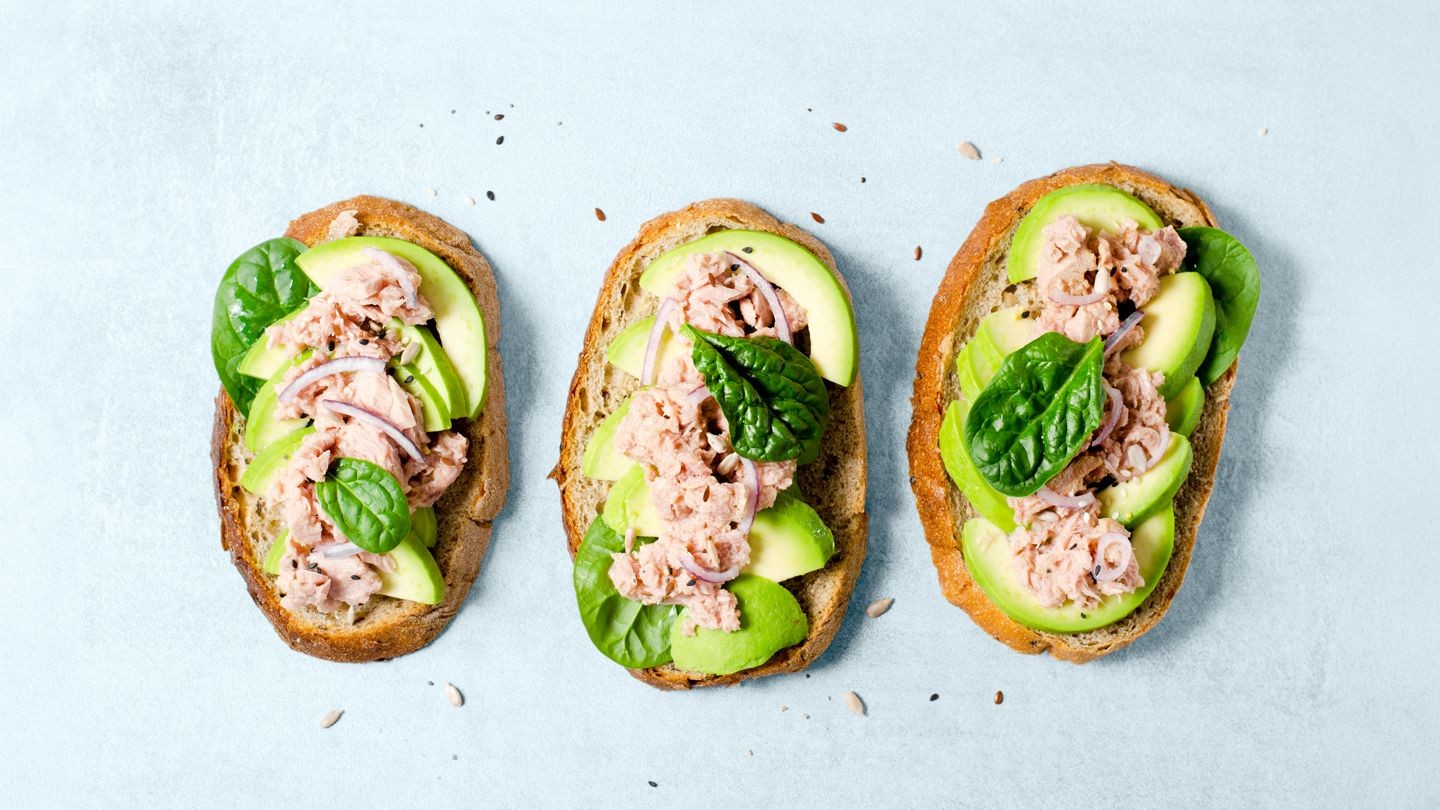
4. Tuna and Avocado Toast 🥑
A simple, no-fuss lunch that focuses on monounsaturated fats —the “good” fats that support cardiovascular health.
- Key Benefits: Combining tuna (protein) with avocado (healthy fats) and whole-wheat bread (fiber) creates a balanced, low-glycemic meal.
- Quick Stats: 354 calories | 8.8g fiber | 22g protein
- Prep/Cook Time: 8 minutes.
5. Cold Mexican Quinoa Salad 🥗
Quinoa is more than just a grain; it is a complete protein source, making it an excellent base for meat-free meals.
- Key Benefits: When paired with black beans and avocado, this salad becomes a fiber bomb that aids digestion and keeps blood sugar stable.
- Quick Stats: 360 calories | 12g fiber | 12g protein
- Prep/Cook Time: 15 minutes.
6. Prebiotic-Rich Salad with Lemon Vinaigrette 🌿
Gut health and skin health are deeply connected. This salad focuses on prebiotics —fibers that feed the beneficial bacteria in your microbiome.
- Key Ingredients: Raw onion, garlic, and sunchokes are excellent prebiotic sources.
- Note: If you are increasing your fiber intake, do so gradually and drink plenty of water to help your digestive system adjust.
- Quick Stats: 452 calories | 15g fiber | 16g protein
- Prep/Cook Time: 15 minutes.
7. Grilled Stuffed Portobello Mushrooms 🍄
For those looking to reduce meat consumption, Portobello mushrooms offer a “meaty” texture without the inflammatory risks often associated with processed meats.
- Key Benefits: A lighter alternative to traditional heavy dinners, utilizing spinach and parmesan for flavor and nutrients.
- Quick Stats: 241 calories | 4.8g fiber | 11g protein
- Prep/Cook Time: 25 minutes.
Summary for Success
By focusing on anti-inflammatory spices, healthy fats, and high-fiber plants, you can create a diet that supports both your skin and your systemic health.
Final Note: Always consult with a doctor or a registered dietitian to tailor these nutritional strategies to your specific medical needs.