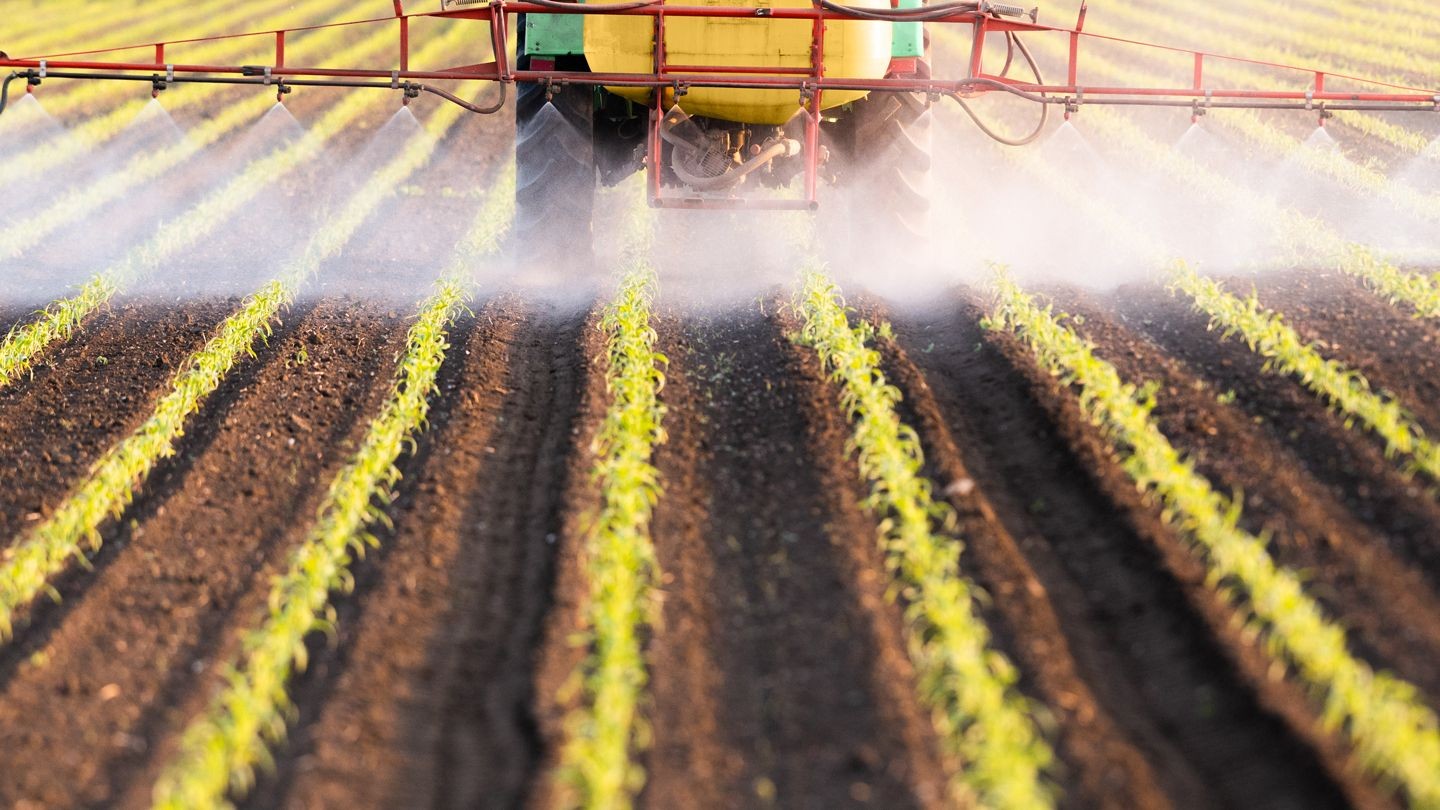
Glyphosate, the active ingredient in the widely used herbicide Roundup, remains a focal point of scientific and political debate. Recent actions by the U.S. government underscore its continued importance in agriculture, while ongoing legal battles and health concerns keep the chemical under intense scrutiny.
Government Support Amidst Controversy
In February 2026, President Donald Trump invoked the Defense Production Act to bolster domestic manufacturing of glyphosate and phosphorus. This move, framed as essential for national defense, ensures a stable supply of the herbicide for agricultural use. The decision has surprised some observers, including Robert F. Kennedy Jr., who previously supported lawsuits against Monsanto (now Bayer) over alleged cancer links to Roundup but later endorsed the president’s action citing food security concerns.
This federal support comes as the Supreme Court prepares to hear arguments that could determine whether manufacturers are shielded from health lawsuits related to glyphosate exposure. Bayer has already paid billions in settlements to plaintiffs alleging that Roundup caused non-Hodgkin lymphoma, yet maintains the chemical is safe and vital for modern farming.
Scientific Debate and Exposure Pathways
The safety of glyphosate is heavily debated. The International Agency for Research on Cancer (IARC) classifies it as “probably carcinogenic to humans,” citing limited evidence of cancer in people and sufficient evidence in animal studies. However, the U.S. Environmental Protection Agency (EPA) maintains that glyphosate is “not likely” to cause cancer at typical exposure levels, though this assessment has been questioned following the retraction of a key safety study due to ethical concerns about its authorship and funding.
Most human exposure to glyphosate occurs through the consumption of conventionally grown crops, where residues are commonly detected in foods like corn, soybeans, and wheat. Farmworkers and those directly applying the chemical face higher exposure risks, but national biomonitoring studies confirm that glyphosate is detectable in the urine of a significant majority of the population, indicating widespread low-level exposure.
Animal Studies and Potential Health Effects
Recent animal studies reinforce health concerns. A 2025 study in Environmental Health reported increased tumor rates in rats exposed to glyphosate at doses near current regulatory limits. Researchers suggest this, combined with evidence of genotoxicity and oxidative stress, raises questions about the safety of even low-dose exposure.
Beyond cancer, some research suggests potential endocrine, reproductive, and gut microbiome impacts. While regulatory agencies dispute these findings at approved exposure levels, the chemical’s toxicological profile suggests broader biological activity than previously assumed.
Alternatives and Mitigation Strategies
Despite concerns, alternatives to glyphosate exist. Organic farming practices routinely avoid its use, relying on crop rotation, mechanical cultivation, and other herbicides. Reducing exposure for consumers involves washing produce thoroughly, choosing organic options when possible, and minimizing home use of glyphosate-based products. Workers handling the chemical should adhere strictly to label instructions and use protective gear.
In conclusion, glyphosate remains a contentious issue with ongoing scientific debate and legal challenges. While its role in modern agriculture is undeniable, concerns about potential health risks warrant continued scrutiny and consumer awareness.