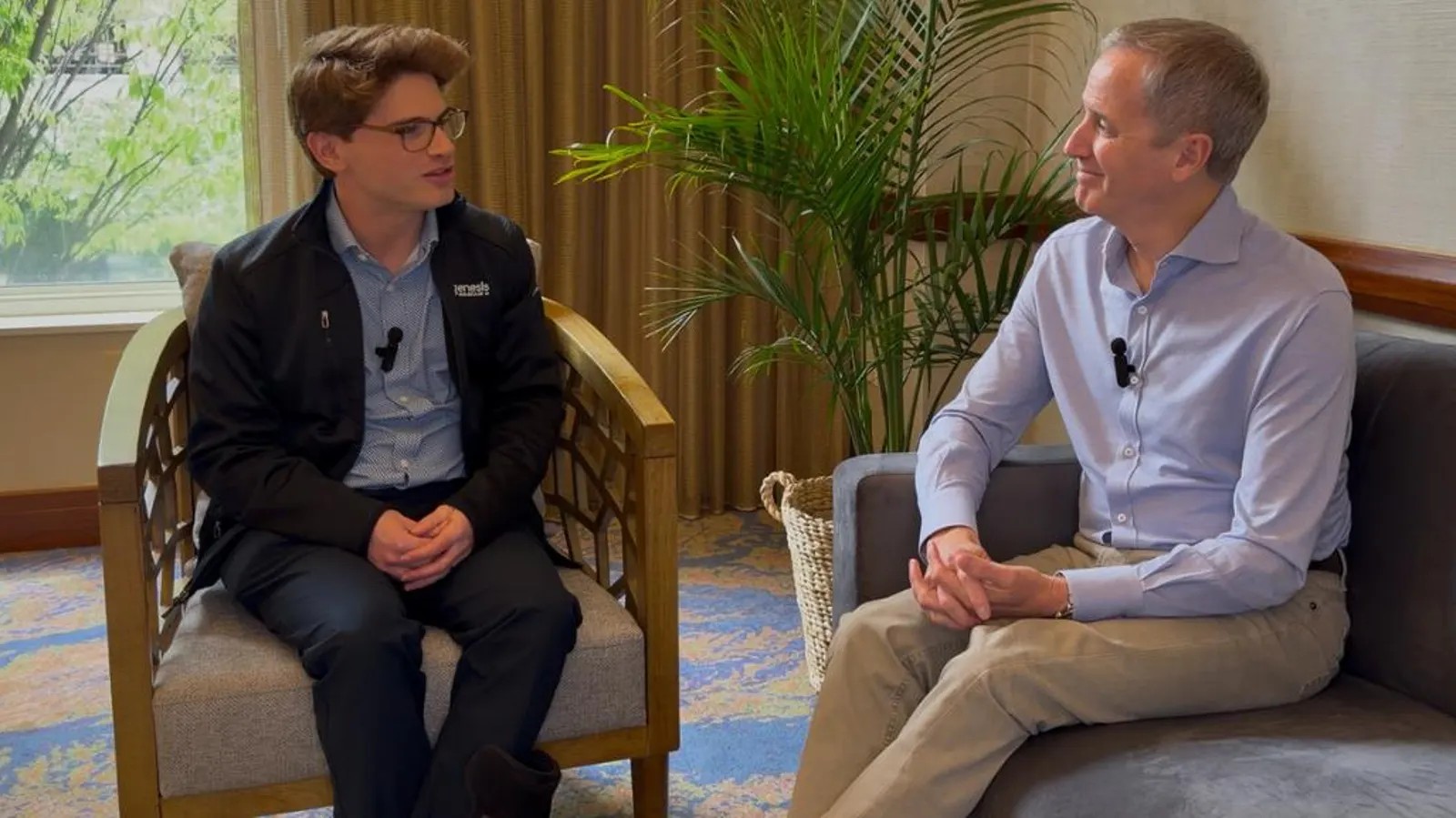
Incyte just signed a $120 million deal for AI drug development.
It is a lot of money.
$80 million comes right now as cash. The rest is an equity investment. Genesis Molecular AI got the deal. It might eventually be worth over $1 billion if everything clicks with future milestones.
Evan Feinberg started Genesis seven years ago. He took his Stanford research out of the lab. He wanted to see if it actually worked. He was on Forbes 30 Under 31. He is 34 now. The company sits in San Mateo.
The catch is Incyte gets to train Genesis models. Incyte dumps its proprietary data in. The model learns. The capabilities grow.
“Drug discovery is one of the notoriously difficult grand challenges for AI.” Feinberg said it himself. Easier problems exist. He picked the hard one.
Why?
Because it matters.
Genesis raised $340 million so far. Investors like Andreessen Horowitz and NVidia wrote the checks. Now Incyte is playing. The deal doubles down on a February agreement for two oncology targets. They liked the early results. They expanded to five potential targets now. Oncology, hematology, inflammation.
Maybe twenty targets later.
Is this just a funding tactic? Sort of. Pharma partnerships replace pure VC checks for these startups. Developing drugs takes time. Even AI needs clinical trials. Years of them.
Apnimed Files For Sleep Apnea Pill
A pill for sleep apnea could happen by early 2027.
Apnimed filed for approval. They published phase 3 data last week. It works. Airway obstruction dropped. Oxygenation went up. Snoring faded. It doesn’t matter how much the patient weighs. It doesn’t matter if the disease is mild or severe.
The mechanism is weird but effective. The drug wakes up the brainstem just enough. Throat muscles don’t relax completely. You keep breathing. But the brain still rests.
80 million Americans have sleep apnea. Most don’t know. CPAP machines are hated. People refuse to sleep with a mask forcing air down their throats. So they don’t treat it. That is dangerous.
Untreated apnea links to heart trouble. Strokes. Maybe Parkinson’s. Maybe Alzheimer’s.
Weight loss drugs help some people. GLP-1s are popular now. Eli Lilly got Zepbound approved for this back in late 2024 if the patient is overweight. Apnimed’s drug is different though. It acquired rights from Harvard. It’s a small biotech making a big move.
“It prevents full muscle relaxation while allowing the brain to rest.”
Isomorphic Has The Money. Does It Have The Drugs?
$2.1 billion.
That is how much Isomorphic Labs raised last week. The Alphabet spin-out is sitting on a mountain of cash. They built on AlphaFold. Demis Hassabis won a Nobel for that chemistry work in 2024 now they want to make medicines.
But where are the drugs?
Max Jaderberg, the president, won’t say much. They call their engine IsoDDE. It’s an improvement over the early tech. The pipeline is expanding. Oncology. Immunology. Inflammation.
“We are thinking about going after zero-to-one problems,” Jaderberg said.
Fast-following is not the goal. They want to change standard care. The problem is hard. They have partners like Novartis and Lilly. They are also trying to run their own clinical trials.
The timeline shifts. Hassabis said 2025 at one point. Now he says 2026 end of year.
Will they sell the assets? License them? Keep them?
Jaderberg thinks of each drug as a business. Different answers for each.
Commure Hits $7 Billion Valuation
Healthcare admin software usually sucks. Commure is trying to fix it with AI.
They raised $70 million. That values the company at $7 billion. Steep. General Catalyst led the round. The money buys expansion and better AI models.
What do they actually do?
They automate revenue cycles. They cut admin time. Ambient AI listens to doctor-patient talks. It fills out electronic forms for the doc. Nobody has to type everything.
Tanay Tandon says the revenue is $200 million. It doubled last year. It doubled the year before. Growth looks solid. The market likes automation that saves time.
Quick Hits
- The WHO says global health agencies aren’t ready for the next pandemic. This is just after they labeled Congo Ebola a health emergency.
- Republican-led states help deport immigrants. They flag Medicaid recipients with status questions. DHS gets notified.
- TrumpRx added generics. They deal with Mark Cuban’s Cost Plus. Amazon too.
- Mifepristone access stays. The Supreme Court preserved mail-order abortion pills for now. Litigation continues.
- Alcohol treatment is changing. Finally.
- NIAID lost 8 out of its top 10 officials under Trump. Pandemic prep is moving away from focus.
- GHO and CBC merge. They make a $21 billion healthcare shop. Largest in the world.
Notes From Forbes
- Elon Musk hates California but uses state subsidies to launch the Tesla Semi.
- Some stocks might hit giant payoffs. They look like long shots now.