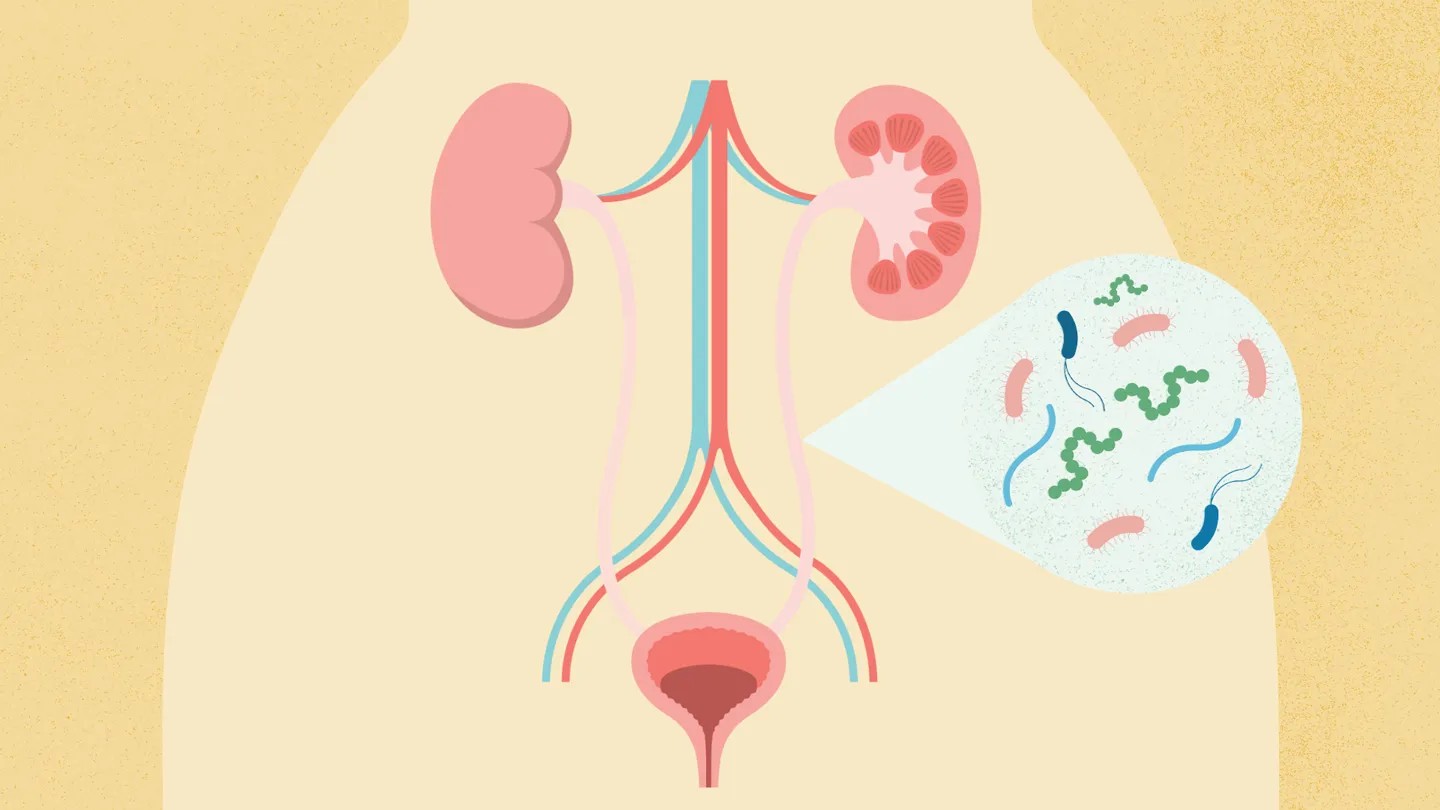
Urinary tract infections (UTIs) affect over 150 million people globally each year, and in most cases, the culprit is Escherichia coli (E. coli) bacteria. Understanding how this common infection occurs – and how to prevent it – is crucial for maintaining health.
The Role of E. Coli in UTIs
E. coli causes approximately 75% of uncomplicated UTIs in healthy women, and over half of more severe cases affecting men, pregnant women, or individuals with weakened immune systems. Normally found in the intestines, E. coli can travel to the urinary tract, causing infection in the bladder or kidneys.
Why this matters: UTIs are not just a nuisance; untreated infections can lead to kidney damage and sepsis, a life-threatening condition. The rise of antibiotic-resistant strains of E. coli makes effective treatment increasingly challenging.
How E. Coli Enters the Urinary Tract
E. coli typically enters the urinary tract through the urethra, often originating from fecal matter. Several factors contribute to this process:
- Sexual Contact: Bacteria can easily transfer during intercourse.
- Improper Hygiene: Wiping from back to front after bowel movements introduces E. coli to the urethra.
- Urinary Retention: Holding urine allows bacteria to multiply in the bladder.
- Underlying Conditions: Diabetes, spinal cord injuries, kidney stones, and catheter use can increase risk.
Women are more susceptible due to shorter urethras, making it easier for bacteria to reach the bladder.
Recognizing UTI Symptoms
Symptoms of a UTI may include:
- A strong, persistent urge to urinate
- Painful or burning urination
- Passing small amounts of urine
- Cloudy, foul-smelling urine
- Blood in urine
- Fever, chills, and nausea (in severe cases)
Important Note: Symptoms alone cannot confirm E. coli as the cause. A urine culture is the only reliable way to identify the specific bacteria present.
The Growing Threat of Antibiotic Resistance
Antibiotics are the standard treatment for UTIs, but some E. coli strains are becoming resistant to common drugs like amoxicillin and levofloxacin. This resistance is particularly concerning in individuals with catheters, recurrent infections, or recent antibiotic use.
What this means: Antibiotic-resistant infections are harder to treat and increase the risk of sepsis. Stronger antibiotics may be necessary, highlighting the need for cautious antibiotic use and preventive measures.
Prevention Strategies
Lowering your risk of E. coli-triggered UTIs involves simple lifestyle changes:
- Hydration: Drink six to eight glasses of water daily to flush bacteria.
- Hygiene: Always wipe from front to back after using the toilet.
- Frequent Urination: Empty your bladder before and after sex, and drink water afterward.
- Clothing: Wear breathable clothing to avoid bacterial growth.
- Consider Cranberry Products: While research is mixed, cranberry juice or supplements may help prevent UTIs in some cases.
The Bottom Line
E. coli is a major cause of UTIs, and understanding how it spreads is critical for prevention. Proper hygiene, hydration, and cautious antibiotic use are key to protecting your urinary health. If you suspect a UTI, consult a doctor for diagnosis and treatment.