


Managing high blood pressure often requires medication, but what you eat can significantly impact how well those drugs work. Certain foods can either amplify, diminish, or completely counteract the effects of common blood pressure treatments. Understanding these interactions is crucial because ignoring them can lead to ineffective medication or dangerous side effects.
Grapefruit: A Double-Edged Sword
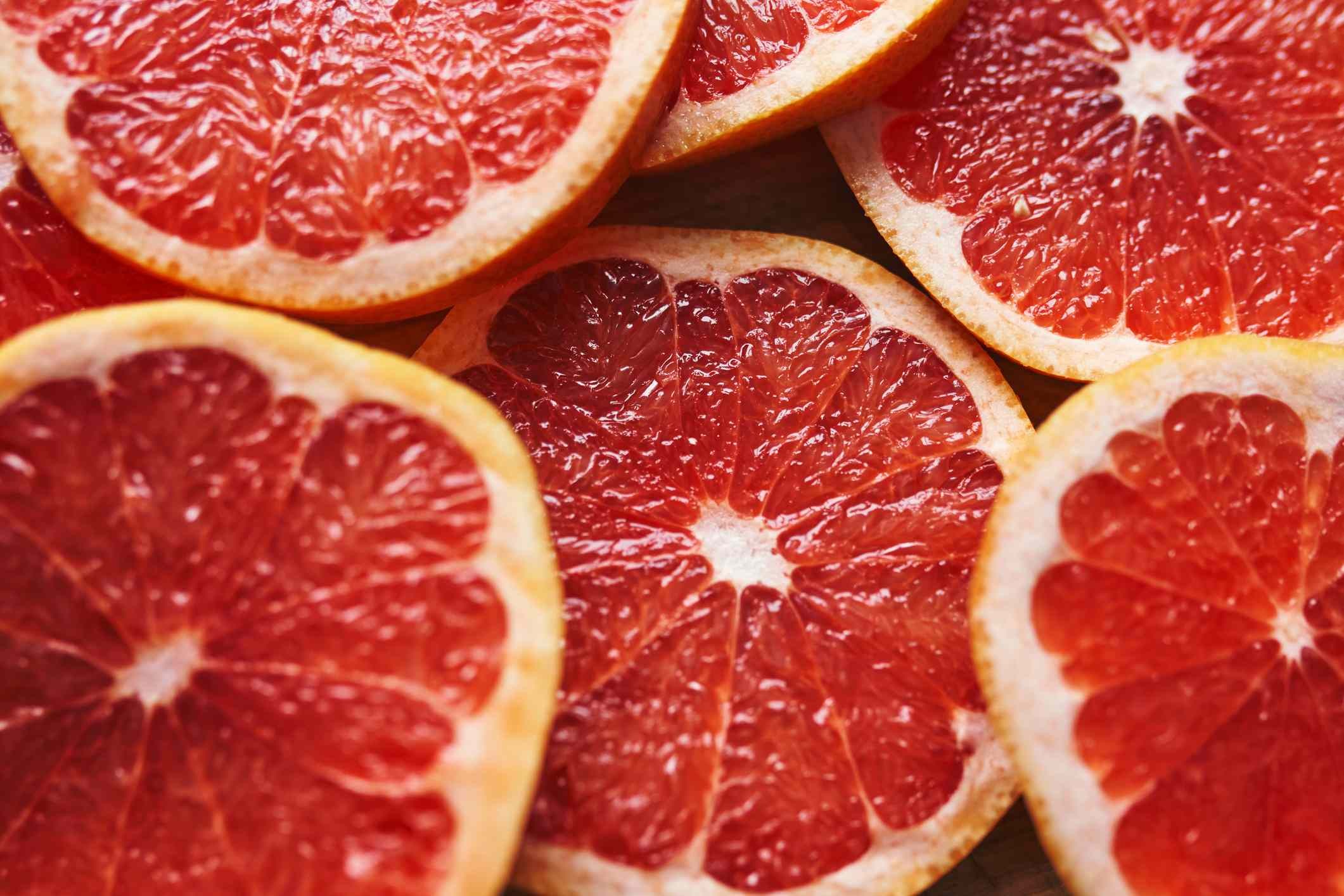
Grapefruit contains compounds that interfere with the liver’s ability to process many medications, including those used to treat high blood pressure. Specifically, grapefruit blocks an enzyme called CYP3A4, which breaks down drugs in your system. This can lead to overdose-like effects if the medication lingers too long, or reduced efficacy if absorption is hindered.
As cardiologist Dr. Jacqueline Dowe explains, “Certain fruit juices, such as grapefruit and orange juice, can lower the absorption of beta blockers, making them less effective.”
Aged Cheese & Tyramine: A Risky Combination
Aged cheeses are rich in tyramine, a substance that can cause dangerous spikes in blood pressure when combined with monoamine oxidase inhibitors (MAOIs), a type of antidepressant. MAOIs prevent the breakdown of tyramine, leading to a buildup that can trigger a hypertensive crisis.
However, this interaction primarily affects individuals taking MAOIs, not those on standard antihypertensive medications. Other high-tyramine foods include fermented products like sauerkraut, smoked meats, and some alcoholic beverages.
Cardiologist Dr. Leonard Pianko clarifies, “MAOIs interact with aged cheese and can cause a sudden spike in blood pressure… Aged cheese is not off-limits if you are taking standard antihypertensive medications.”
High-Sodium Foods: Undoing Your Medication
Excessive sodium intake directly counteracts the effects of many blood pressure medications, particularly diuretics and beta blockers. The American Heart Association recommends limiting sodium to 1,500mg daily, but many processed foods, fast food, and salty snacks far exceed this amount.
High sodium causes fluid retention in the kidneys, raising blood pressure despite medication. Dr. Pianko suggests, “Eating foods with a high salt content can reduce the effectiveness of medications… I recommend spreading out your salt intake rather than consuming it all at once.”
High-Potassium Foods: Proceed With Caution
Some blood pressure medications, such as potassium-sparing diuretics (like spironolactone) or ACE inhibitors, increase potassium levels in the blood. This can be dangerous for individuals with kidney problems or those already prone to hyperkalemia (excessive potassium).
While potassium is generally beneficial for blood pressure, carefully monitor your intake if you’re on these medications. Consult your doctor before drastically reducing potassium-rich foods.
Dr. Dowe emphasizes, “If you’re on a medication that increases potassium level… try to avoid eating food rich in potassium.”
Licorice: A Hidden Danger
Licorice contains compounds that cause the body to retain sodium and water while flushing out potassium. This interferes with diuretics and ACE inhibitors, potentially raising blood pressure and causing abnormal heart rhythms. In severe cases, it can lead to serious cardiovascular complications.
How Food Impacts Medication: The Core Mechanisms
The way food interacts with medication isn’t random. It comes down to several key processes:
- Absorption Interference: Some foods reduce how well drugs are absorbed.
- Metabolic Disruption: Other foods block the breakdown of drugs, leading to higher concentrations in the body.
- Enhanced Absorption: Conversely, certain foods may increase absorption, potentially causing side effects.
- Direct Blood Pressure Effects: High-sodium foods raise blood pressure, counteracting medication.
- Mineral Imbalance: Potassium and sodium imbalances can disrupt medication effectiveness.
Ignoring these interactions can result in uncontrolled blood pressure, increased side effects, or even life-threatening complications. Always discuss your diet with your doctor to ensure your medications work as intended.


