The arrival of a newborn shifts focus entirely to the baby, often at the expense of the mother’s own recovery. While caring for a new child is all-consuming, proper nutrition during the postpartum period – the first three months after birth – is critical for physical healing, emotional well-being, and, if breastfeeding, for the baby’s development.
Postpartum recovery isn’t just about returning to a pre-pregnancy body; it’s about replenishing depleted nutrients, supporting uterine healing, and mitigating complications like fatigue or mood changes. For breastfeeding mothers, diet directly impacts milk composition and volume, making it even more important.
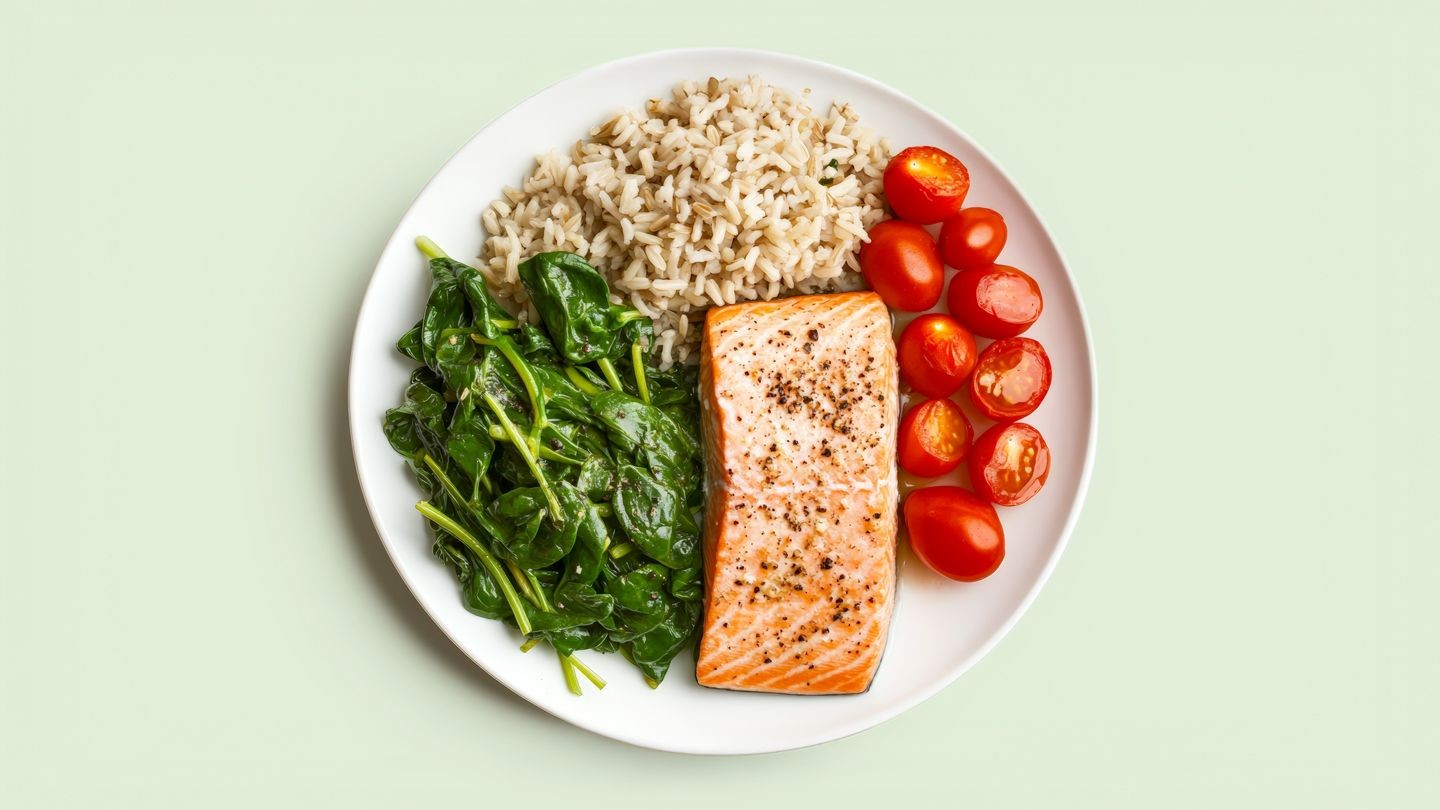
The ideal postpartum diet isn’t about restriction; it’s about prioritizing nutrient-dense, minimally processed foods. Think Mediterranean: fruits, vegetables, lean proteins, healthy fats, and whole grains. Studies show mothers following this pattern experience lower rates of postpartum depression.
Here are six key food groups to focus on:
1. Lean Proteins: The Building Blocks of Recovery
Foods like beans, eggs, fish, chicken, and lean beef provide essential amino acids for tissue repair, immune support, and maintaining muscle mass. Breastfeeding mothers have increased protein needs to support milk production. Bone broth is an easy win – it’s packed with amino acids, electrolytes, and other vital nutrients.
2. Healthy Fats & Omega-3s: Brain Health for Mom & Baby
Avocados, nuts, seeds, salmon, and sardines deliver healthy fats, including omega-3 fatty acids (particularly DHA). These fats support brain health, reduce inflammation, and may improve mood. DHA is vital for the baby’s brain development, making these foods especially beneficial if breastfeeding. Aim for 2-3 servings of low-mercury fish per week.
3. Iron-Rich Foods: Combatting Fatigue
Blood loss during childbirth often leads to iron deficiency and fatigue. Prioritize iron-rich foods like beans, leafy greens, poultry, and red meat. Pairing plant-based iron with vitamin C-rich fruits (citrus) improves absorption.
4. Calcium & Vitamin D: Supporting Bone Health
Dairy, fortified plant milks, and leafy greens ensure adequate vitamin D intake, essential for both the mother’s recovery and the infant’s skeletal development.
5. Folate-Rich Foods: Continued Cellular Repair
Folate supports continued healing and is important for women planning future pregnancies. Include leafy greens and fortified grains in your diet.
6. Whole Grains & Fiber: Digestive Health & Sustained Energy
Whole grains (brown rice, oatmeal, whole-grain bread) promote digestive health, prevent constipation (common postpartum), and provide sustained energy. Fruits, vegetables, legumes, nuts, and seeds also boost fiber intake.
Making It Easier: Practical Tips
Postpartum life is chaotic. Simplify eating by:
- Setting alarms to remind yourself to eat.
- Prepping meals and snacks in advance.
- Stocking freezers with healthy options.
- Choosing meal-prep services if possible.
- Prioritizing nutrient density over calorie restriction.
If breastfeeding, remember you may need an additional 330-400 calories daily. Moderate caffeine intake (2-3 cups) is generally safe, but limit alcohol and high-mercury fish. Hydration is key : drink plenty of water.
In conclusion, while challenging, prioritizing nutrition after childbirth is essential. A balanced diet supports recovery, energy levels, and the baby’s health. Focusing on whole, unprocessed foods – and making meal planning manageable – is the most effective approach for new mothers.