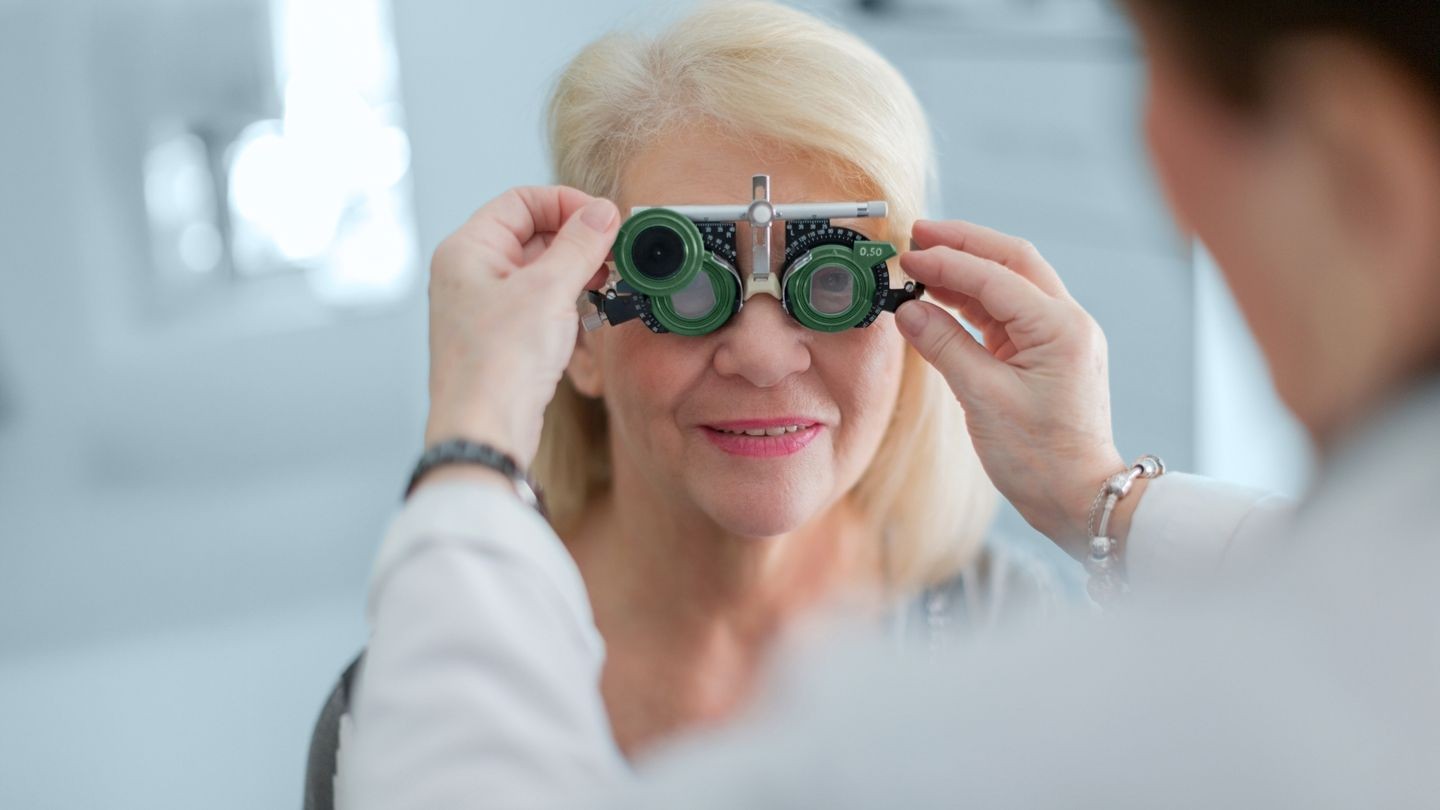
If you live with type 2 diabetes, you likely see your primary care physician or endocrinologist regularly. But annual eye exams with an optometrist or ophthalmologist are just as crucial. Over time, high blood sugar can damage blood vessels in the eyes, increasing the risk of vision loss from conditions like diabetic retinopathy and glaucoma.
Early detection is key: Roughly 90% of diabetes-related vision loss is preventable with timely diagnosis and treatment. However, only half of people with diabetes get screened as often as they should. Here’s a breakdown of why, and how to prioritize your eye health.
The Six Biggest Reasons People Delay Eye Exams
-
“My Vision Is Fine, So I Don’t Need an Exam.”
Diabetes-related eye changes often develop slowly, without noticeable symptoms in the early stages. By the time you feel a difference, irreversible damage may already be done. Annual, comprehensive eye exams – including pupil dilation – are vital even if your vision seems perfect. Screening is preventive, catching problems when treatment is most effective. -
Eye Exams Make Me Too Anxious.
Anxiety about exams is common, whether it’s the air-puff test for glaucoma or pupil dilation. Understanding the process beforehand can help. - Write down questions before your appointment.
- Bring a friend or family member for support.
- Practice deep breathing to manage stress.
-
Ask your doctor to explain each step.
Even if diagnosed, treatments like laser therapy or injections aren’t painful and can preserve vision. -
I Already Have Too Many Doctor’s Appointments.
Managing type 2 diabetes often means juggling multiple specialists. Feeling overwhelmed is understandable.
Consolidate appointments where possible. Many primary care offices now offer retinal screenings that ophthalmologists can review remotely. If there’s an issue, you’ll be called in for a full exam. -
I Am Worried About the Cost or Don’t Have Health Insurance.
Eye care can be expensive, especially without insurance. However, don’t skip care without exploring options. - Many health systems offer financial counseling and payment plans.
- Community clinics, county hospitals, and federally qualified health centers provide affordable care.
-
Pharmaceutical assistance programs may cover treatment costs.
Diabetes eye exams are often covered by medical insurance, not vision insurance, because they are medically necessary. -
I Don’t Have Access to Eye Care Services.
Transportation or limited access to clinics can be barriers. Telehealth is a growing option for virtual screenings. Some hospitals offer mobile services or screenings at community centers. Check with your primary care doctor to see if they can perform initial screenings. -
I Don’t Feel Comfortable With Any of the Eye Doctors I’ve Seen.
Finding the right doctor is crucial. Ask your primary care physician or trusted friends for recommendations. Look for a board-certified specialist who performs diabetes-related screenings, accepts your insurance, and provides language support if needed. A good doctor explains things clearly, answers questions, and makes you feel comfortable.
The Bottom Line
Diabetes can quietly damage your eyes. Regular screenings aren’t just recommended – they’re essential for protecting your vision. If cost, anxiety, or access prevent you from getting the care you need, talk to your healthcare team about solutions. Early detection can save your sight.
Sources: Centers for Disease Control and Prevention, peer-reviewed medical studies, and expert insights from board-certified ophthalmologists and endocrinologists.