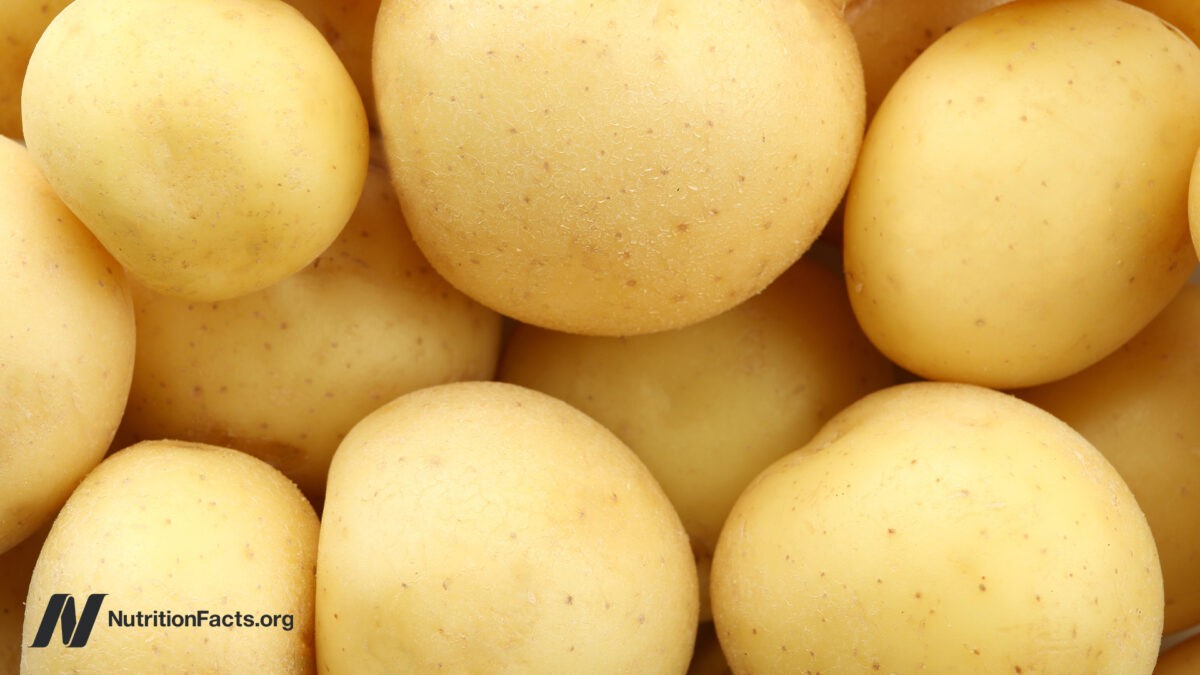
The question of whether potatoes shorten or lengthen life is complex, with research yielding inconsistent results. While some studies suggest a link between frequent potato consumption and increased risk of hypertension, others find no such connection. The key appears to lie in how potatoes are prepared and what else is on the plate.
The Hypertension Link: Harvard Research
Early research, notably from Harvard, indicated that daily potato intake – even boiled or baked – correlated with a higher risk of developing high blood pressure. Researchers attempted to account for added salt, saturated fat, and concurrent meat consumption, but a potential link remained. This raised concerns about potatoes being a “critical public health problem.” However, these findings aren’t universal.
Regional Differences & Preparation Matters
Studies in Mediterranean Europe, where potatoes are typically eaten with other vegetables and without heavy additions like butter or sour cream, found no association with hypertension. Similarly, Swedish studies focusing on boiled potatoes showed no increased risk of cardiovascular disease. This highlights that preparation methods and dietary context drastically alter the effects.
U.S. Data & Confounding Factors
In the United States, early data suggested a 65% increase in heart disease mortality among potato eaters. Yet, when researchers controlled for confounding factors such as smoking, drinking, and saturated fat intake, the link disappeared. This suggests that potato consumption alone isn’t the problem, but rather the lifestyle patterns often associated with it.
Fried vs. Unfried: The Clear Divide
The most consistent negative association is with fried potatoes, particularly French fries. Across multiple studies, including a large NIH-AARP analysis, frequent French fry consumption appears to double the risk of premature death, independently of other factors. Unfried potatoes, however, show a neutral effect on mortality.
Plant-Based Diets & Potato’s Role
Research on plant-based diets further complicates the picture. Studies differentiate between “healthy” and “unhealthy” plant-based indices, categorizing potatoes with processed junk foods. While healthier plant-based diets correlate with longer lifespans, even less healthy ones don’t necessarily shorten it, potentially because they still reduce overall animal product intake. Higher potato consumption within these diets even appears protective.
Industry Response & Ethical Concerns
The industry group Potatoes USA disputed the causal link, reminding readers that observational studies only demonstrate correlation. Researchers countered that limiting fried potato consumption remains a pressing public health issue, so critical that interventional studies (randomizing people to eat fries) would be unethical.
In conclusion, the science suggests that potatoes themselves aren’t inherently harmful. The key is how they’re prepared: avoid frying, eat them with vegetables, and don’t overdo the salt and fat. The real danger lies in the dietary patterns that often accompany potato consumption, not the tuber itself.