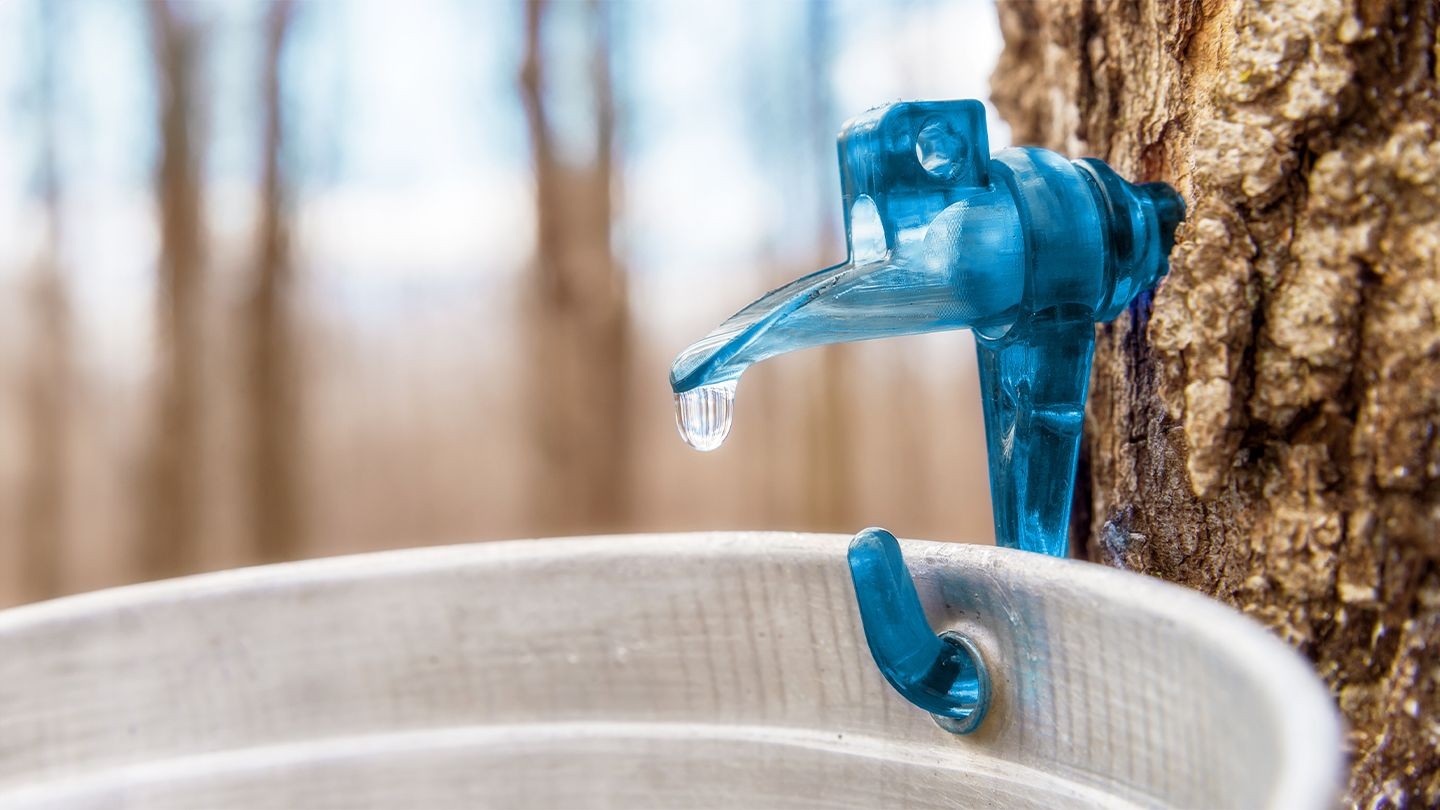
Tree sap, the fluid found within trees, has been consumed and utilized for centuries. While pure maple syrup is the most familiar edible product, many other tree species produce sap that can be processed for food or used commercially. Understanding the distinctions between sap, syrup, and resin, as well as the potential risks and benefits of consumption, is crucial before considering this natural resource for culinary or health purposes.
What Exactly Is Tree Sap?
Sap functions as a tree’s circulatory system, transporting essential nutrients. According to research from Texas A&M University, trees produce two primary types of sap: phloem and xylem. Phloem carries sugars and hormones from leaves to growth areas, while xylem primarily transports water and minerals from roots to leaves.
The confusion between sap and resin often arises because both are sticky substances. However, resin, as defined by the U.S. Department of Agriculture, is produced in specialized cells and has a different composition than nutrient-rich sap. Syrup, on the other hand, is concentrated sap created through boiling, as practiced for maple and birch syrups (University of Kentucky).
Which Tree Saps Are Edible?
Hundreds of tree species yield sap that could be safe to eat, but not all are palatable or beneficial. Sugar maple is the most commonly tapped edible variety. Other options include birch, pine, and fruit trees like apples. Walnut and sycamore are also tapped in some regions, notably in northern and eastern Europe, where historical use of tree saps dates back centuries.
It’s important to note that many saps are bland, bitter, or tasteless. If you cannot positively identify the tree species, it is safest to avoid consumption.
Raw Sap vs. Processed Syrup: What’s the Difference?
While technically edible raw, consuming untreated sap is not common practice. Experts like Hank Shaw recommend boiling the sap to at least half its volume, creating syrup. This concentrates flavor and eliminates potential bacterial contamination.
Most consumers encounter tree sap in processed forms like maple syrup, birch syrup, or as ingredients in beverages such as maple beer and birch beer. Cornell University highlights the increasing use of sap in various food and drink products.
Potential Health Benefits of Tree Sap
Beyond taste, tree sap offers certain health perks. Research indicates that sap contains minerals like copper, manganese, and zinc, though the exact content varies widely (2020 study). However, these studies also caution against potential heavy metal contamination.
Pine tree extracts have demonstrated anti-inflammatory properties, potentially benefiting cardiovascular health. Memorial Sloan-Kettering Cancer Center suggests that pine bark extracts could reduce inflammation.
Risks and Considerations
Edible tree sap, when properly boiled, is generally safe. Commercial syrups and products pose minimal risks. However, excessive consumption, especially of maple syrup, can lead to blood sugar spikes (Cleveland Clinic).
Key risks include:
- Allergic Reactions: Individuals with pollen allergies may react to tree sap.
- Contamination: Untreated sap can contain harmful substances, including heavy metals.
Experts emphasize caution and proper identification before consuming any tree sap.
Ultimately, while tree sap offers potential benefits, responsible consumption requires knowledge of tree species, proper processing techniques, and awareness of potential risks.