When discussing digestive wellness, most people immediately think of probiotics (the live beneficial bacteria) and prebiotics (the fiber that feeds them). However, a third, critical player is emerging in nutritional science: postbiotics.
While probiotics are the “workers” and prebiotics are the “fuel,” postbiotics are the actual beneficial substances produced during the process. A recent comprehensive research review has highlighted these compounds as a potential frontier for functional foods and long-term health management.
What Exactly Are Postbiotics?
Postbiotics are not living organisms; rather, they are the beneficial byproducts created when gut microbes ferment nutrients like fiber. Think of them as the “output” of a healthy digestive factory.
As your gut bacteria digest dietary fiber in the colon, they release several vital substances, including:
– Short-chain fatty acids (SCFAs): Such as butyrate, which are crucial for energy and gut integrity.
– Enzymes and Peptides: Molecules that assist in various biological functions.
– Microbial cell fragments: Components that help prime the immune system.
How Postbiotics Impact Your Body
The significance of postbiotics lies in their ability to act as messengers, communicating between the gut and the rest of the body. The research identifies four primary ways these compounds support wellness:
1. Strengthening the Gut Barrier
The intestinal lining serves as a “gatekeeper,” controlling what enters your bloodstream. Postbiotics, particularly SCFAs, help maintain the structural integrity of this barrier. A strong barrier is essential for preventing “leaky gut” and reducing systemic inflammation.
2. Regulating Inflammation
Chronic, low-grade inflammation is a driver of many modern diseases. Postbiotics help modulate immune responses, helping to calm inflammatory pathways within the gut that could otherwise affect the entire body.
3. Boosting Metabolic Health
By influencing how the microbiome is composed and how nutrients are processed, postbiotics play a role in energy balance and metabolic regulation.
4. Influencing the Gut-Brain Axis
The gut and the brain are in constant communication via the nervous system. Emerging research suggests that postbiotic compounds may influence mood, cognition, and how the body responds to stress, highlighting the profound link between diet and mental well-being.
How to Support Postbiotic Production
You cannot simply “eat” postbiotics in the same way you eat probiotics; instead, you must cultivate the environment that allows your body to produce them naturally. This is achieved through three main dietary strategies:
- Increase Prebiotic Fiber: Since postbiotics are the result of fermentation, you need to provide the raw materials. Focus on vegetables, fruits, legumes, whole grains, and resistant starches (such as green bananas or potatoes that have been cooked and then cooled).
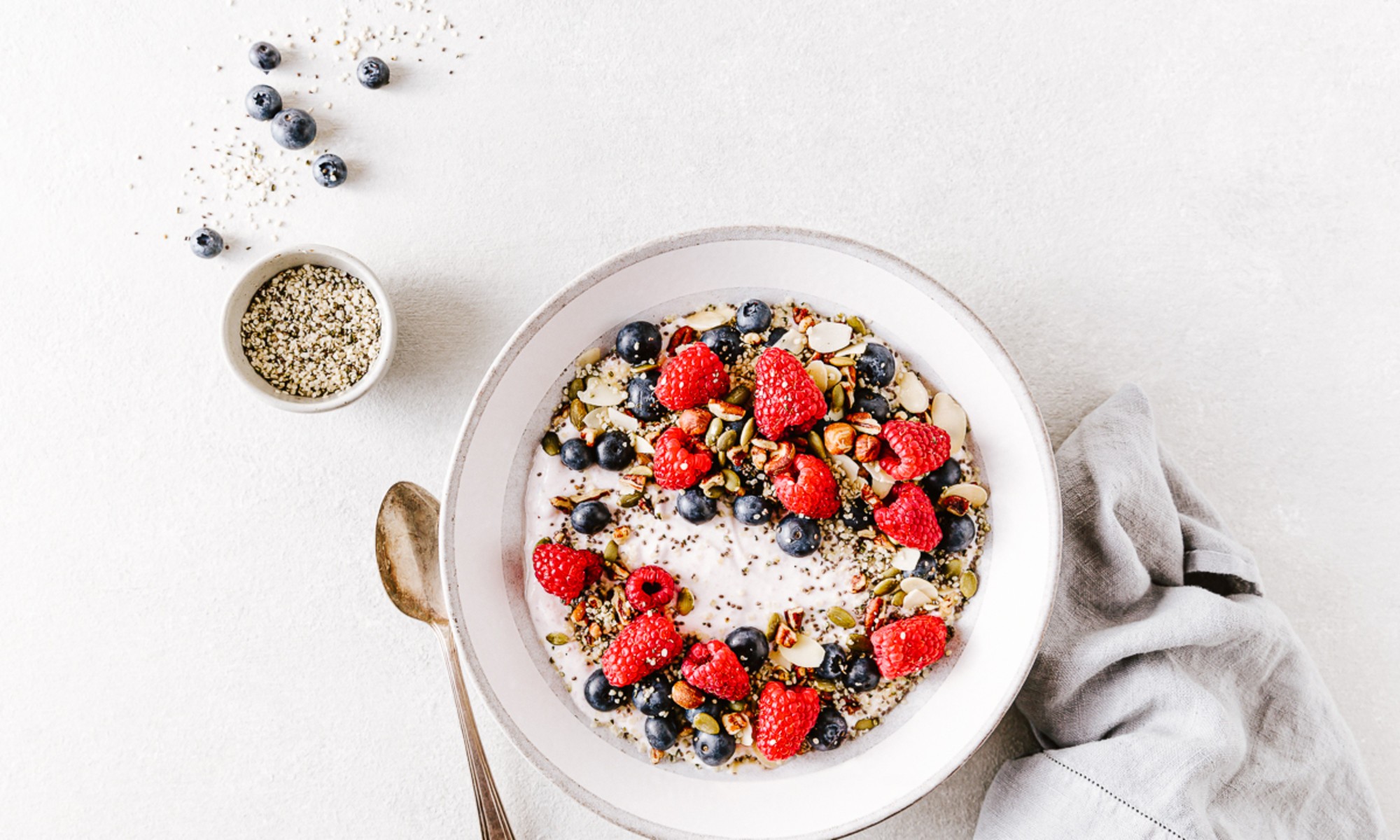
- Consume Polyphenol-Rich Foods: Colorful plants—including berries, dark chocolate, green tea, and olive oil—contain polyphenols. Gut bacteria metabolize these compounds into health-promoting postbiotic molecules.
- Incorporate Fermented Foods: Products like yogurt and kefir provide a combination of live microbes and fermentation-derived compounds that support microbial diversity.
Note on Supplements: If dietary changes aren’t enough, prebiotic supplements (such as inulin, psyllium husk, or guar gum) can provide the necessary “fuel” to increase the output of beneficial postbiotics.
Summary
Postbiotics represent the functional output of a healthy microbiome, playing a vital role in immune regulation, metabolic health, and even brain function. The most effective way to harness their benefits is by consuming a diverse range of prebiotic fibers and polyphenols to nourish the bacteria that produce them.