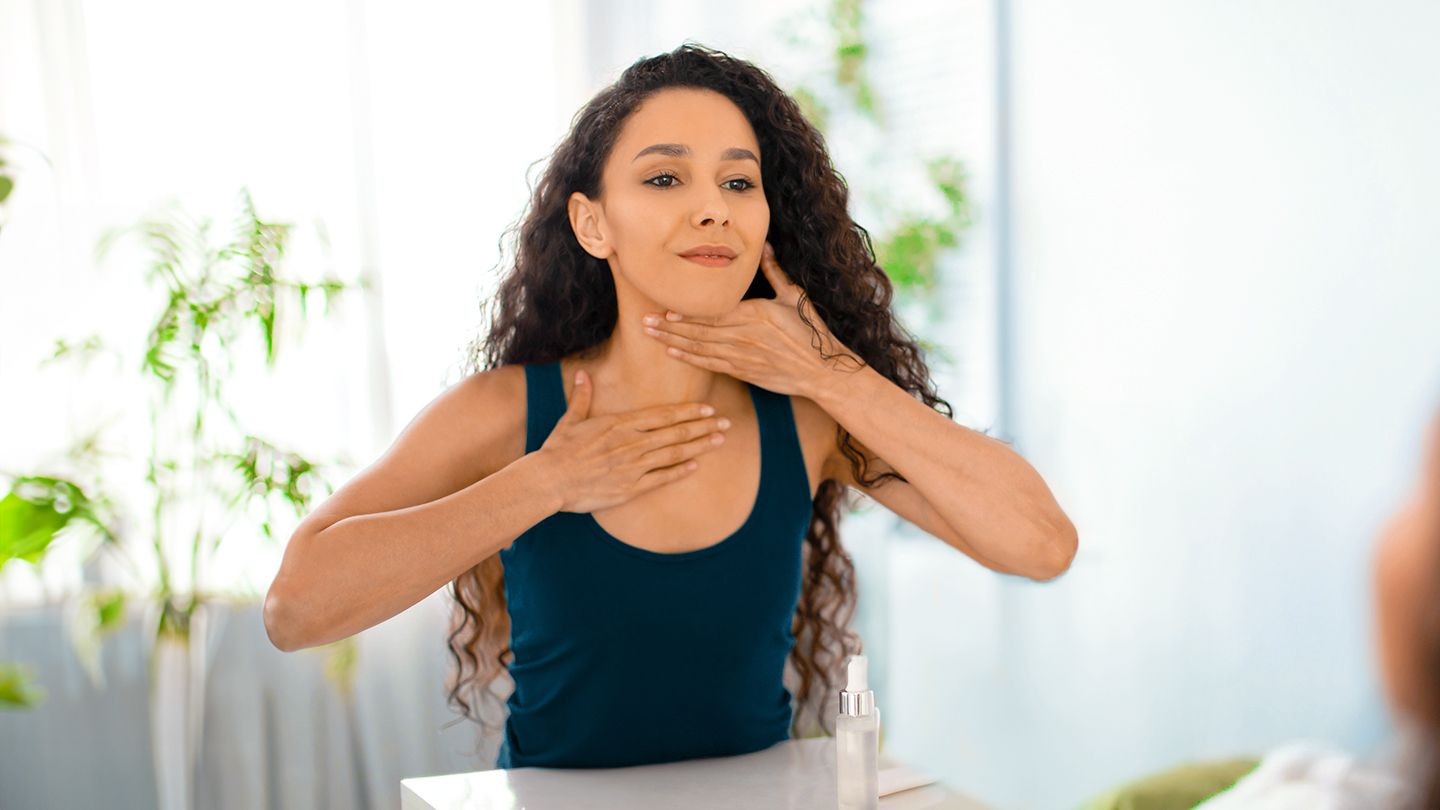
While social media often portrays lymphatic drainage massage as a “detox” miracle or a quick fix for facial puffiness, the practice has a much deeper clinical foundation. Used in medical settings since the 1930s, manual lymphatic drainage (MLD) is a specialized technique designed to support the body’s fluid management system.
What is Lymphatic Drainage Massage?
The lymphatic system acts as the body’s filtration and drainage network. It consists of vessels, nodes, and organs (such as the thymus and bone marrow) that transport “lymph” fluid, absorbing nutrients and filtering out waste and abnormal cells.
When this system is damaged—often due to surgery, radiation therapy, or cancer—fluid can become trapped, leading to lymphedema. This chronic condition causes painful swelling (edema) and inflammation.
Lymphatic massage aims to alleviate this by using very light, gentle pressure and circular motions. By targeting specific areas like the neck, chest, and forehead, the massage encourages stagnant fluid to move toward the lymph nodes, where it can be processed and returned to the bloodstream.
Potential Benefits: Clinical Reality vs. Social Media Claims
Because much of the current interest in lymphatic massage comes from wellness influencers, it is important to distinguish between proven medical uses and emerging theories.
1. Managing Lymphedema and Inflammation
For those with a malfunctioning lymphatic system, MLD is a vital management tool. By physically moving stagnant fluid, the massage helps reduce the chronic inflammation associated with lymphedema.
2. Stress Reduction and Relaxation
Research suggests that the gentle nature of the massage can have a profound effect on the nervous system.
– Neurological impact: Studies indicate that MLD can increase “alpha” brain activity (associated with relaxation) and reduce “gamma” activity.
– Physiological impact: A study on healthy adults showed that neck-focused lymphatic massage could slow heart rates and lower blood pressure, effectively quieting the body’s “fight-or-flight” response.
3. Cosmetic Recovery and Skin Health
There is growing interest in using MLD to enhance skin appearance and surgical outcomes:
– Post-Surgical Recovery: It may speed up healing after procedures like liposuction, facelifts, or Botox by assisting the body in clearing surgical swelling.
– Skin Appearance: While high-quality clinical trials are still lacking, the theory is that improved microcirculation and collagen stimulation could boost skin elasticity and reduce the appearance of wrinkles.
Safety, Risks, and Who Should Avoid It
While lymphatic massage is generally safe, it is not a “one size fits all” treatment. Even healthy individuals may experience mild side effects such as fatigue, nausea, or headaches.
⚠️ When to Consult a Doctor First
Certain medical conditions make lymphatic massage risky or even contraindicated. You should seek medical clearance if you have:
– A history of blood clots, deep vein thrombosis (DVT), or stroke.
– Heart disease, kidney failure, or cellulitis.
– An active infection (such as a fever or sinus infection), as massage may spread the illness.
🚫 Who Should Avoid It
The massage is generally not recommended for individuals with:
– Skin damage caused by radiation or tuberculosis.
– Cancerous tissue in the area being treated.
Expert Tip: If you are interested in self-massage, it is highly recommended to first consult a certified lymphedema therapist or a trained physical therapist to ensure you are using the correct technique.
Summary
Lymphatic drainage massage is a legitimate clinical tool primarily used to manage lymphedema and reduce swelling. While it offers promising secondary benefits for relaxation and post-surgical recovery, it should be approached with medical caution, particularly for those with underlying cardiovascular or circulatory conditions.