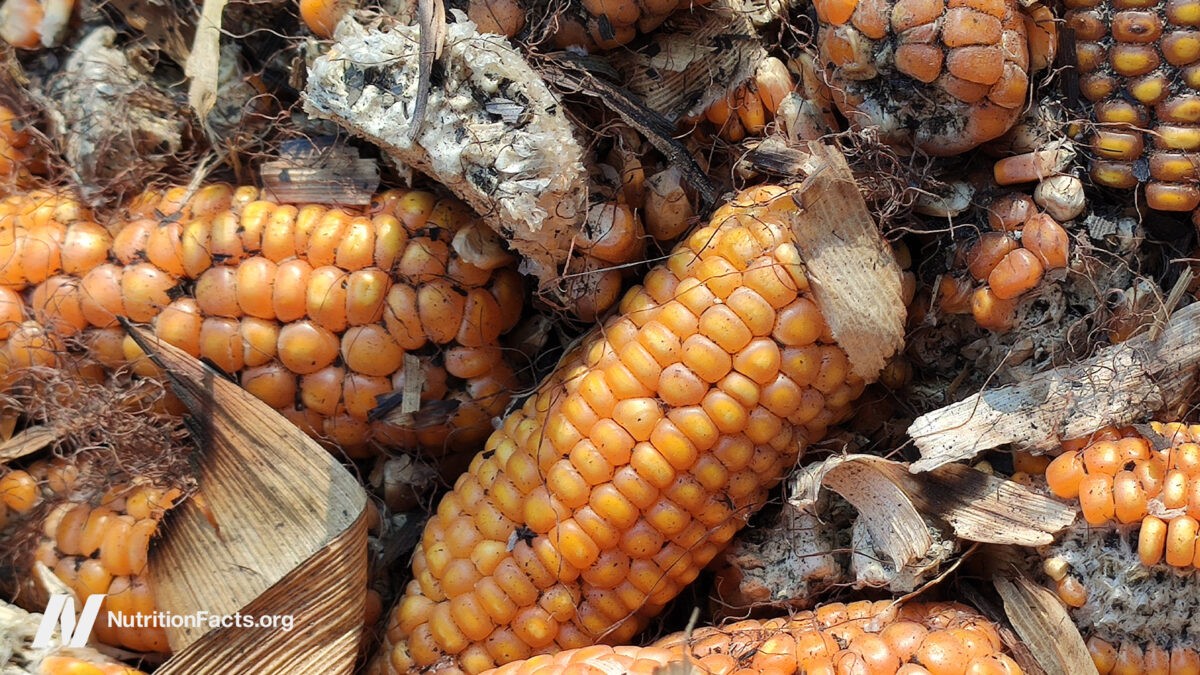
Aflatoxin, a potent carcinogen produced by mold, poses a significant yet largely overlooked public health crisis, particularly in developing nations. While the concept of “toxic mold syndrome” is largely unsupported by scientific evidence and exploited by predatory testing practices, the real danger lies in food contamination by mycotoxins – with aflatoxin being the most critical.
The Science Behind the Risk
Aflatoxin is classified as a known human carcinogen, and estimates suggest it may contribute to roughly 20% of liver cancer cases worldwide. Given that liver cancer is the third leading cause of cancer death globally, this contribution is substantial. Unlike other food contaminants, aflatoxin is nearly impossible to remove once it enters the food supply; cooking has no effect. Prevention, through strict regulations and monitoring, is the only effective solution.
Global Disparities in Exposure
Developed countries, like the United States, implement rigorous sampling procedures that result in nearly $1 billion in annual losses due to contaminated crops. This proactive approach keeps exposure levels low, with only about 1% of Americans showing detectable aflatoxin in their bloodstream. However, the situation is drastically different in regions like Africa, Southeast Asia, and rural China, where economic constraints prevent widespread disposal of contaminated crops. Consequently, liver cancer rates in these areas can be 30 times higher.
The Trade-Off Between Risk and Benefit
Even in developed countries, some foods, such as figs (due to their ripening process), are more susceptible to aflatoxin production. Despite this, the benefits of consuming nuts, despite their potential aflatoxin content, outweigh the risks. The cardiovascular health benefits provided by nuts prevent far more deaths from stroke and heart attack than the number of liver cancer cases linked to aflatoxin exposure.
A Neglected Global Crisis
Aflatoxin remains a largely ignored global health issue, with attention primarily driven by the need to meet import regulations in wealthier nations rather than protecting the billions exposed daily. This disparity highlights a critical ethical failure in addressing a preventable cancer risk that disproportionately impacts vulnerable populations.
“The continued belief in this myth is perpetuated by those charlatans who believe that measles vaccines cause autism, that homeopathy works, that fluoride in the water should be removed….”
While pseudo-scientific claims about toxic mold syndrome distract from genuine threats, aflatoxin remains a silent killer, demanding urgent attention and systemic solutions.