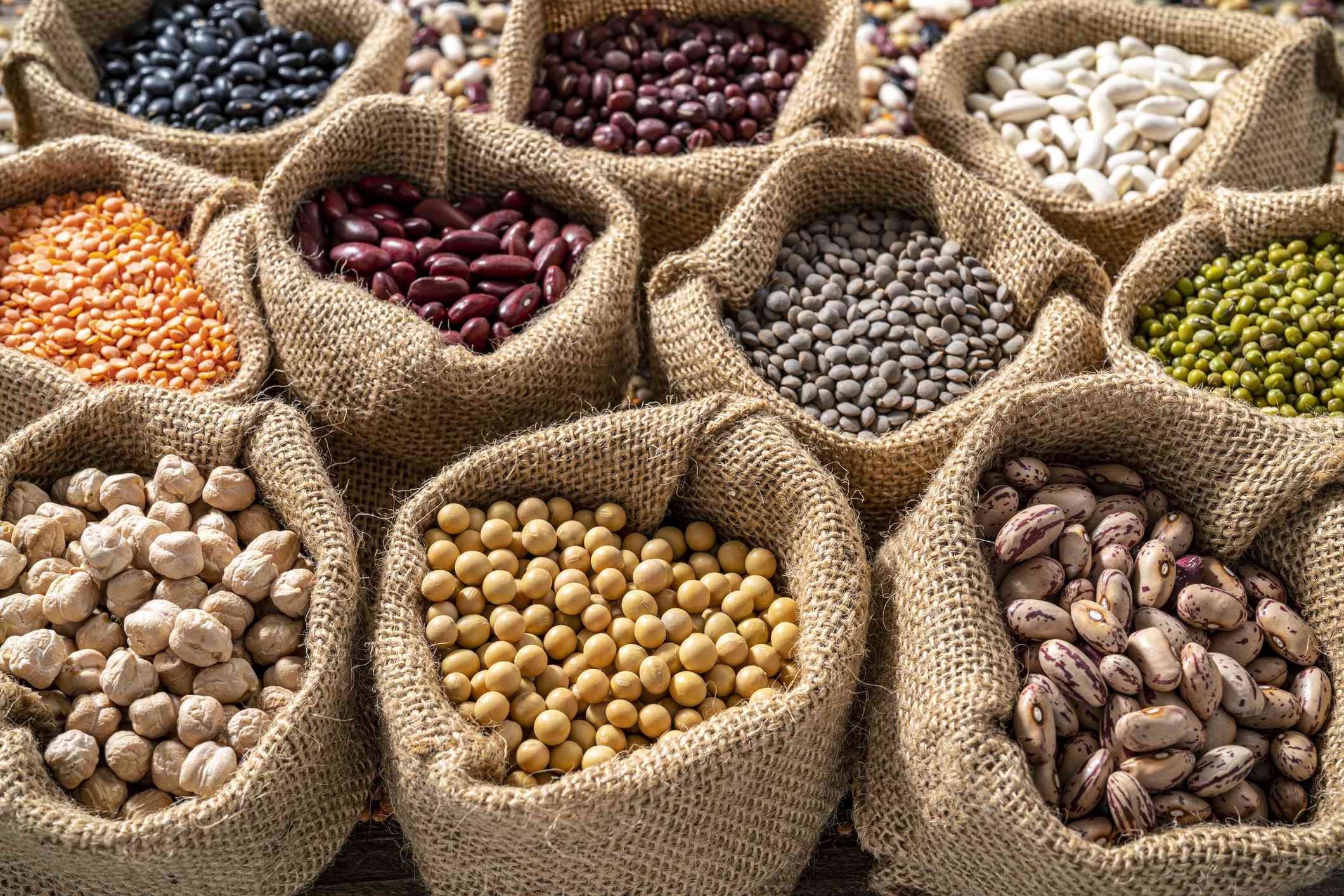
Beans are nutritional powerhouses, packed with fiber, protein, and essential vitamins and minerals often lacking in modern diets. Regularly incorporating these legumes into your meals can boost your diet quality and even lower the risk of chronic conditions like heart disease and obesity. Here’s a look at six bean varieties that deserve a starring role on your plate:
1. Navy Beans: The Creamy Champions
Navy beans, also known as haricot or pea beans, are prized for their creamy texture and mild nutty flavor. They seamlessly blend into soups, stews, and salads. But beyond their culinary versatility, navy beans boast impressive nutritional credentials. A single cup packs a hefty dose of protein (19.7 grams), fiber (13.4 grams), folate (crucial for cell growth and development), iron, magnesium, and potassium—nutrients often lacking in modern diets.
Their high protein and fiber content contribute to weight management by promoting feelings of fullness and regulating blood sugar and lipid levels.
2. Black Beans: Versatile and Nutrient-Rich
Black beans are a ubiquitous favorite for good reason. Their earthy flavor and soft texture complement a wide ranges of dishes, from burritos and salads to dips and soups. But their appeal goes beyond taste; black beans are rich in folate (essential during pregnancy), fiber (15.2 grams per cup!), and protein (15.2 grams).
Recent research highlights the impressive long-term benefits of regularly consuming legumes like black beans. A 2023 study found that those who frequently ate pulses like black beans experienced significantly less weight gain and trimmed waistlines over a decade compared to those who rarely or never included them in their diets.
3. Garbanzo Beans (Chickpeas): Flavorful and Filling
Garbanzo beans, known affectionately as chickpeas, are kitchen staples worldwide. They shine in curries, hummus, salads, and soups. These legumes offer a wealth of nutrients that support weight management, heart health, and blood sugar control: protein, fiber, potassium, magnesium, folate, iron, and more. Studies show those who regularly eat garbanzo beans have higher intakes of these beneficial nutrients than those who don’t.
4. Kidney Beans: A Gentle Touch on Blood Sugar
Kidney beans, a cornerstone in chili and rice dishes, are slightly sweet with a soft texture. Their unique starches resist digestion more effectively than typical carbohydrates like white bread or pasta, leading to minimal spikes in blood sugar levels. This makes kidney beans ideal for managing blood sugar, particularly beneficial for individuals with or without diabetes.
A 2022 study confirmed their low glycemic index (ranging from 32.47 to 52.99) further solidifying their place as a top choice for healthy blood sugar regulation. Research also shows that regularly eating pulses, including kidney beans, can significantly improve markers of blood sugar control in people with type 2 diabetes.
5. Pinto Beans: The Fiber Champions
Pinto beans take the crown for highest fiber content among all the beans listed here, boasting a whopping 15.4 grams per cup. This makes them superstars for gut health. Fiber promotes regular bowel movements and influences the beneficial bacteria in your digestive system. It’s also linked to reduced inflammation, cholesterol levels, and even potential protection against certain cancers.
Beyond fiber, pinto beans pack protein (15.4 grams), folate, thiamin, vitamin B6, iron, manganese, magnesium, potassium, and selenium.
6. Lima Beans: The Creamy Heart Helpers
Though perhaps less celebrated than other bean varieties, lima beans deserve a spot on your plate for their mild taste, creamy texture, and heart-healthy benefits. A cup of cooked lima beans provides magnesium, potassium, and fiber – nutrients crucial for maintaining a healthy cardiovascular system. Magnesium and potassium contribute to balanced blood pressure regulation, while fiber helps control cholesterol levels by reducing absorption in the gut and boosting excretion.
Studies continue to confirm that incorporating beans like navy beans into your diet can lower your risk of heart disease. A 2019 review found that individuals who consumed higher amounts of beans had a 9% and 10% reduced risk of high blood pressure and coronary heart disease, respectively, compared to those with the lowest bean intake.
Word of Caution: While most whole beans are nutritional winners, be mindful of processed versions like baked or refried beans. These often contain added sugars and salt, which should be limited for optimal health.