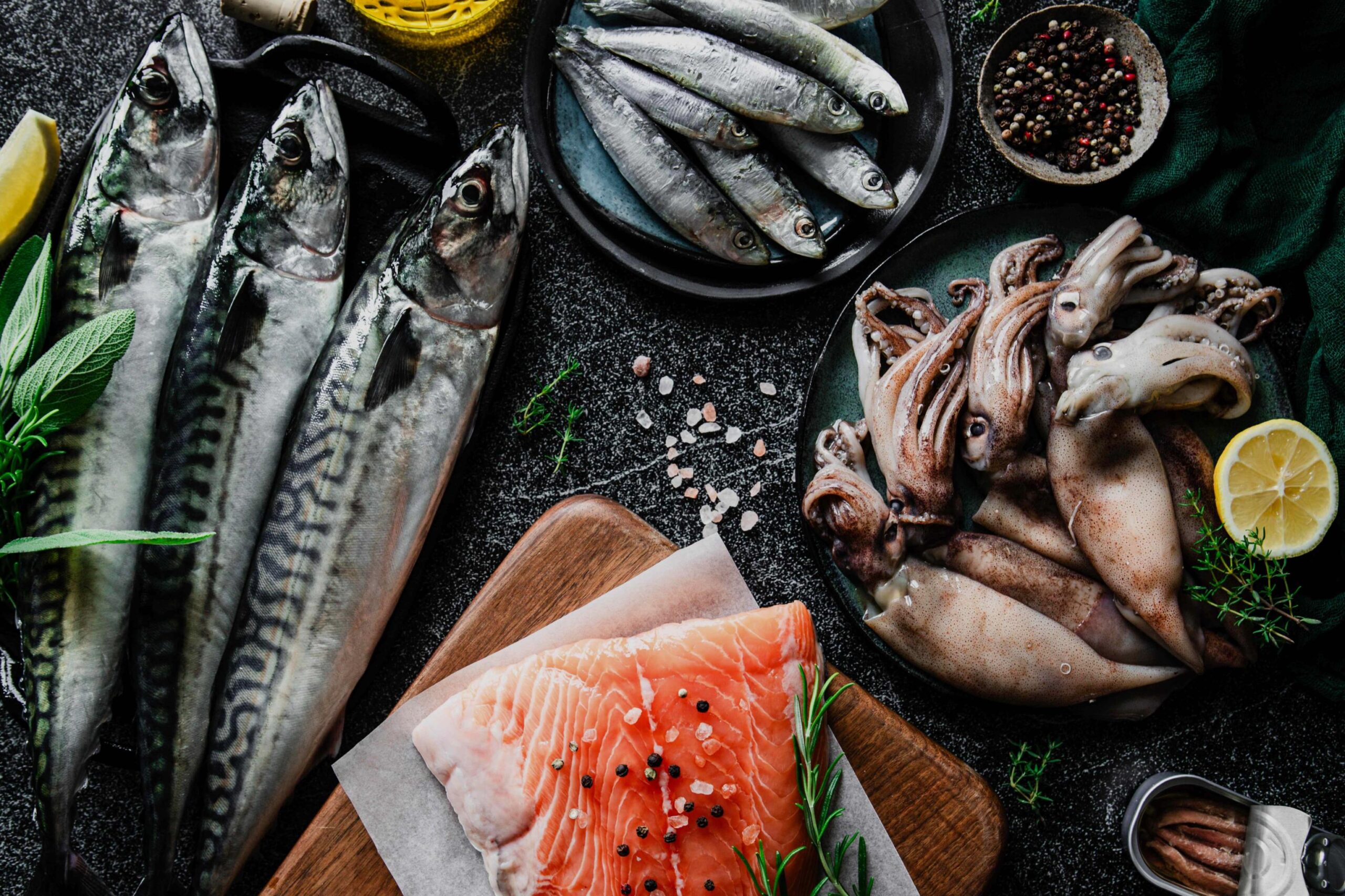
Consuming fish regularly is one of the most effective dietary strategies for supporting both cardiovascular and cognitive health. Certain species stand out due to their rich nutrient profiles – particularly their high omega-3 content – and low levels of potentially harmful contaminants like mercury. This guide breaks down which fish offer the greatest benefits, and which ones to consume with caution.
Why Fish Matters for Your Health
Inflammation, poor circulation, and nutrient deficiencies are major contributors to heart disease and cognitive decline. Fatty fish provide essential omega-3 fatty acids (DHA and EPA), which directly combat these issues by reducing inflammation, improving blood flow, and nourishing brain cells. Choosing the right fish is crucial, as some species accumulate mercury at dangerous levels.
The Top 6 Fish for Optimal Health
-
Salmon (Especially Wild Alaskan) :
Wild Alaskan salmon—Sockeye and Coho varieties being prime examples—is often cited by nutritionists for its exceptional omega-3 content. These fats lower triglycerides, improve cholesterol, and protect against oxidative stress. Beyond omega-3s, salmon is a strong source of protein, potassium, B12, selenium, and the antioxidant astaxanthin, which supports brain health and may slow cognitive decline. -
Sardines :
Despite their small size, sardines are nutrient powerhouses. They are low on the food chain, meaning they accumulate minimal mercury, and are packed with EPA, DHA, vitamin D, B12, calcium, and selenium. Studies suggest regular sardine consumption can reduce reliance on expensive omega-3 supplements. The calcium content also supports healthy blood pressure regulation. -
Rainbow Trout :
This freshwater fish is a mild-tasting, low-mercury option rich in omega-3s and vitamin D. Vitamin D is critical for brain cell function, memory, and mood regulation. Some research links high vitamin D intake to improved cognitive function and reduced risk of dementia. U.S.-farmed rainbow trout are considered sustainable by the Marine Stewardship Council (MSC). -
Herring :
Similar to sardines, herring delivers a concentrated dose of omega-3s, vitamin D, and B12. These nutrients lower blood pressure, reduce inflammation, and support heart rhythm. A single 3-ounce serving provides over 400% of your daily B12 needs, essential for nerve function and neurotransmitter production (serotonin and dopamine). Opt for Pacific herring from Canada or lake herring from Lake Superior for sustainable choices. -
Anchovies :
These small, flavorful fish are packed with omega-3s, calcium, and iron. Calcium supports heart health, while iron is vital for oxygen transport and neurotransmitter synthesis. They are low in mercury and can be easily incorporated into salads or sauces. Choose anchovies from Chile, Morocco, or Peru for sustainable sourcing. -
Arctic Char :
Arctic char offers a nutrient profile comparable to salmon and trout but with a lower environmental impact. It’s considered highly sustainable by the MSC, especially when sourced from Icelandic farms. The flavor is milder than salmon, making it accessible to those who dislike strong fish tastes.
Fish to Limit or Avoid: Mercury Risk
Mercury is a neurotoxin that accumulates in predatory fish. High mercury levels are linked to increased blood pressure, heart attacks, and neurological issues. The FDA advises limiting consumption of:
- King mackerel
- Marlin
- Orange roughy
- Shark
- Tilefish (Gulf of Mexico)
- Swordfish
- Bigeye tuna
For low-mercury species, the benefits of omega-3s outweigh the risks.
In conclusion, prioritizing omega-3-rich, low-mercury fish is a powerful step towards protecting your heart and brain. Making informed choices about your seafood consumption can significantly improve long-term health outcomes.