New research confirms what many already suspect: music does help with anxiety. But the latest findings go further, suggesting that the duration matters, and that pairing music with a specific sound technology—auditory beat stimulation (ABS)—can amplify its calming effects. Specifically, a 24-minute listening session appears to be the optimal length for significant anxiety reduction.
Why This Matters: Beyond Just Feeling Good
Anxiety is a growing concern globally. Roughly 1 in 5 adults experience anxiety disorders each year. While medication and therapy are core treatments, many people seek accessible, non-pharmaceutical options. This research shows that sound-based interventions, like music with ABS, could be a valuable addition to those strategies.
The Research: Two Studies, Consistent Results
Two separate clinical trials, published in PLOS Mental Health (2025) and PLOS ONE (2022), tested the effects of music on people already managing anxiety with medication. Both studies found that music with ABS outperformed a control group listening to pink noise.
- The 2025 study: 144 participants with moderate anxiety listened to either pink noise, 12 minutes of music with ABS, 24 minutes, or 36 minutes. The 24-minute session showed the strongest anxiety reduction, performing comparably to 36 minutes.
- The 2022 study: 163 participants found that music plus ABS was most effective at reducing both physical (racing heart) and mental (worry loops) anxiety symptoms.
The key takeaway? Music is good, but music with ABS is better. And around 24 minutes seems to be the sweet spot.
What Is Auditory Beat Stimulation?
ABS isn’t just about soothing melodies. It’s a technique that uses layered sound frequencies to influence brainwave activity. When you hear slightly different tones in each ear, your brain perceives a third “beat” at the difference between them. This can encourage your brainwaves to sync up, a process called brainwave entrainment.
The studies used either theta-range (4-7 Hz – linked to deep relaxation) or alpha-range (10 Hz – linked to calm focus) frequencies, both proving effective. This suggests the technique works across a spectrum, not relying on a single “magic” frequency.
Why 24 Minutes? The Science Behind the Timing
The researchers suggest 24 minutes allows enough time for your brain to fully “settle in” to the calming frequency. Think of it like meditation; initial resistance gives way to deeper relaxation with sustained effort. Thirty-six minutes offered similar benefits, but 24 minutes provides the best balance between effectiveness and practicality.
The fact that these studies included participants already on medication is critical. ABS-enhanced music isn’t a replacement for existing treatments, but a complementary tool.
How to Use This: Practical Tips
Here’s how to incorporate this into your routine:
- Set aside 24 minutes: This is the research-backed duration. If you have more time, 36 minutes works, but 24 is optimal.
- Seek ABS or binaural beats: Search streaming platforms or wellness apps for tracks designed for relaxation using these techniques.
- Choose the right time: Commutes, wind-down routines, or midday resets are ideal.
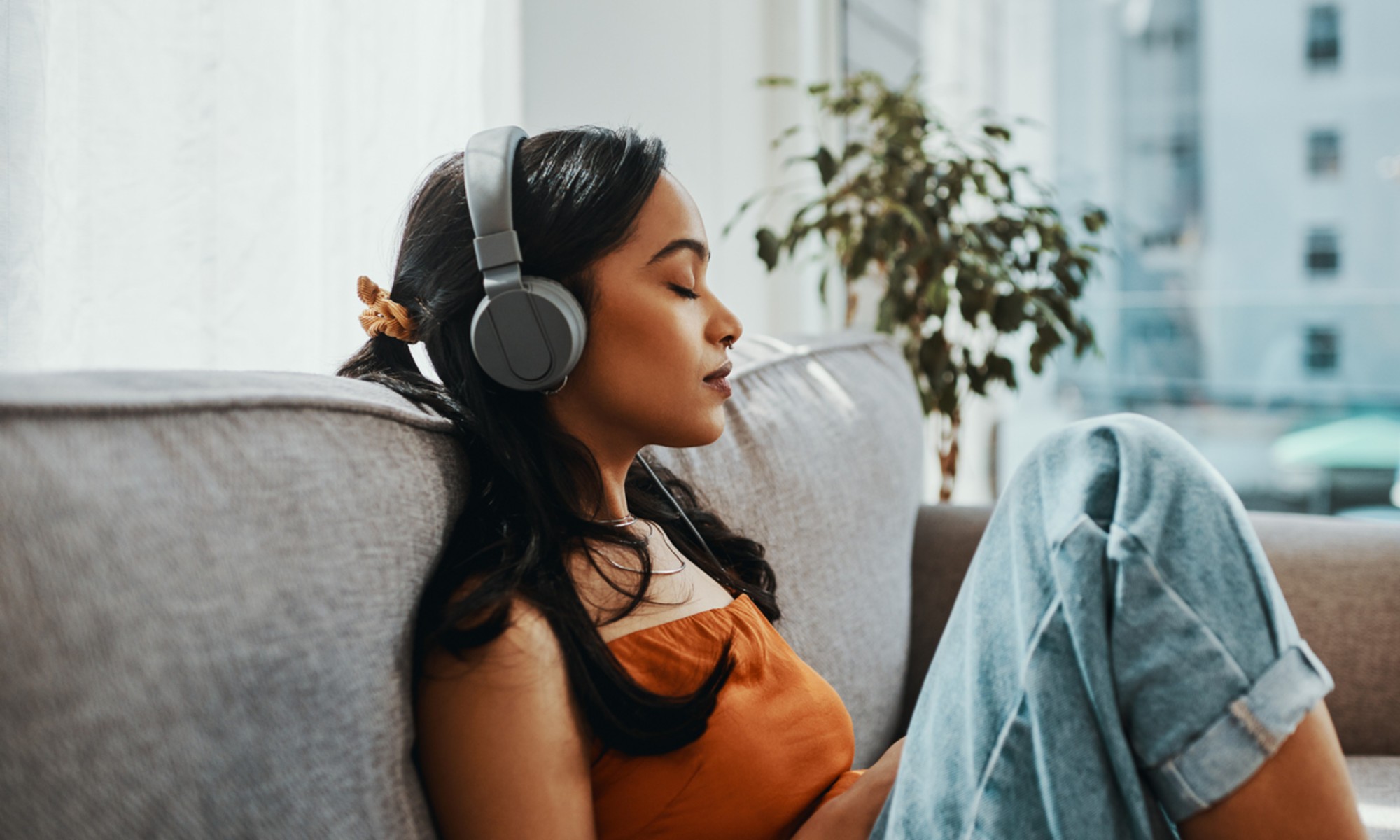
- Use headphones: Binaural beats require distinct frequencies in each ear, so headphones are essential.
The Bottom Line
If your usual calming playlist isn’t enough, science suggests you need more time. Two clinical trials now demonstrate that music with ABS can significantly reduce anxiety, with 24 minutes as the optimal duration. While it’s not a cure-all, it’s a low-risk, accessible tool that could be a valuable addition to your anxiety management plan.