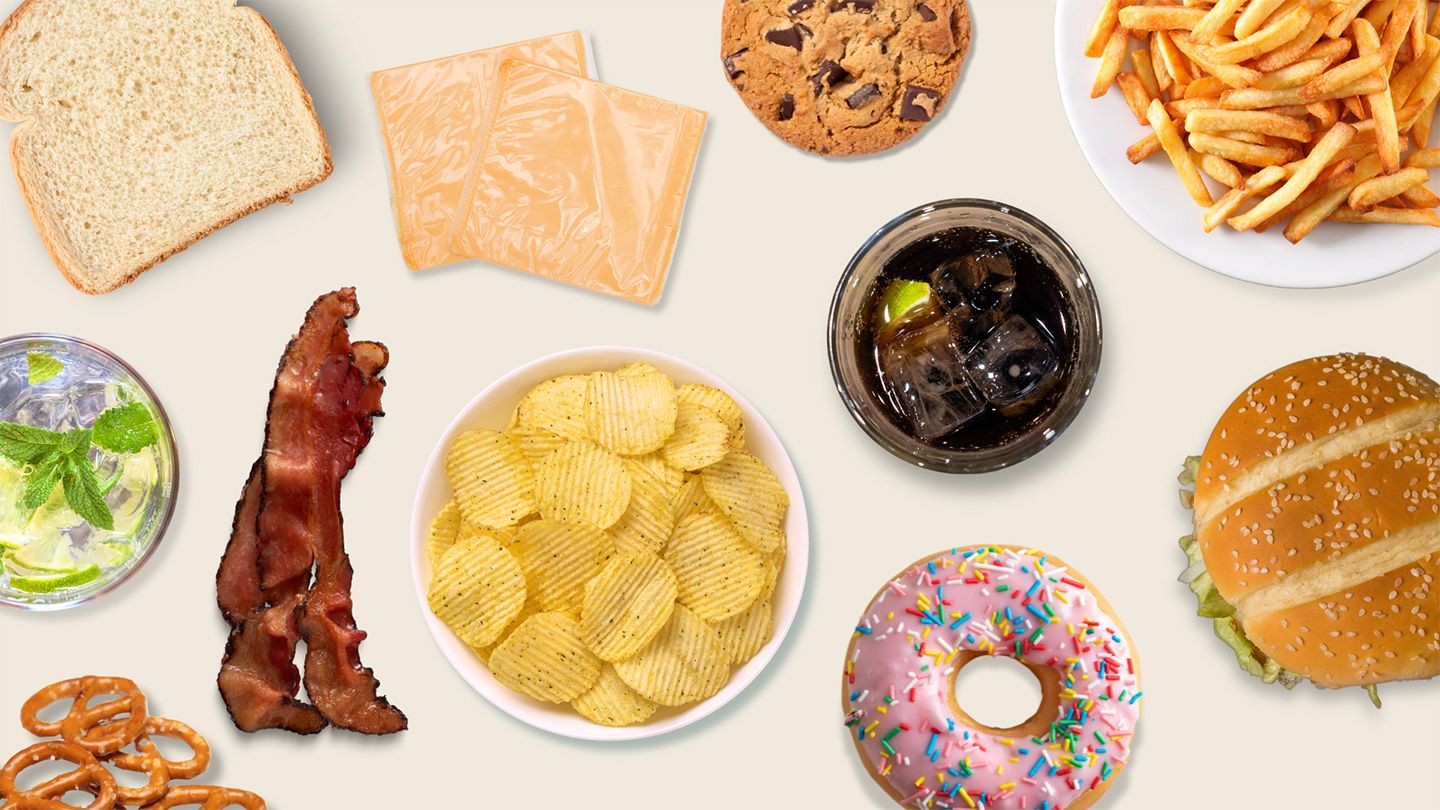
Many people struggle with unhealthy eating habits, often without realizing just how damaging certain foods can be. While strict “good” vs. “bad” labels don’t help, understanding which foods offer little nutrition while delivering high calories, fat, or sugar is a crucial step toward better health.
Registered dietitians agree that the key isn’t total restriction, but mindful substitution. Focusing on nutrient-rich alternatives – fruits, vegetables, lean proteins – can naturally reduce intake of less desirable foods. This approach emphasizes long-term sustainability over short-term deprivation.
Here’s a breakdown of 10 foods best limited, along with healthier swaps:
1. Processed Meats (Bacon, Hot Dogs, Cold Cuts)
Processed meats are calorie-dense, high in sodium, and linked to increased risk of heart disease. Research suggests they may be more harmful than unprocessed red meat. The World Health Organization classifies them as carcinogens due to cancer-causing chemicals formed during processing.
Healthier Swap: Grilled chicken breast or tofu provide protein without the harmful additives.
2. Sodas & Sugary Drinks
Sodas contribute to weight gain, type 2 diabetes, and tooth decay. Many people struggle to quit despite knowing the risks.
Healthier Swap: Water, herbal teas, or sparkling water with fruit infusions are better options. Reducing overall sugar intake is the goal.
3. White Bread
Refined flour in white bread strips away fiber and nutrients. While fortified with some vitamins, overconsumption leads to blood sugar spikes and potential metabolic issues.
Healthier Swap: Whole-grain bread offers more fiber, vitamins, and minerals, stabilizing blood sugar levels.
4. French Fries
Deep-fried and heavily salted, french fries are high in calories, saturated fat, and sodium. Regular consumption increases the risk of obesity, heart disease, and other chronic conditions.
Healthier Swap: Oven-baked potato wedges seasoned with herbs and spices are a healthier alternative. Use minimal oil spray for crispiness.
5. Fast-Food Burgers
High-calorie, saturated fat, and added sugars in fast-food burgers contribute to long-term health problems like diabetes, cardiovascular disease, and obesity.
Healthier Swap: Salmon or bean burgers provide healthy fats and protein without the harmful additives.
6. Donuts
Donuts are high in sugar and unhealthy fats. While tasty, they offer minimal nutritional value and contribute to weight gain and metabolic issues.
Healthier Swap: Fresh fruit with a small portion of nuts provides natural sweetness and healthy fats.
7. Processed Cheeses
American cheese, unlike fresh feta or ricotta, is higher in fat and sodium with less protein and calcium.
Healthier Swap: Opt for fresh feta, ricotta, or mozzarella cheese instead. These alternatives retain more nutrients while minimizing unhealthy additives.
8. Potato Chips
Potato chips are “empty calories” – high in fat with minimal fiber or protein. Even a small serving provides significant calories without substantial nutritional benefit.
Healthier Swap: Roasted chickpeas, trail mix, or seaweed crisps offer nutrients while still satisfying crunchy cravings. Moderation is key, as these can also be high in sodium.
9. Processed Snack Foods
Crackers and cookies often contain hidden sugars and unhealthy fats like palm kernel oil. Convenient but nutritionally poor, they contribute to daily calorie overconsumption.
Healthier Swap: Nuts, seeds, fresh fruit, or vegetables with hummus provide essential nutrients, fiber, and healthy fats.
10. Alcohol
Excessive alcohol consumption provides empty calories and leads to health problems like high blood pressure, heart disease, and stroke.
Healthier Swap: Mocktails, sparkling water with fruit, or nonalcoholic wine or beer offer a similar experience without the detrimental effects.
The Bottom Line
The worst foods tend to be highly processed, high in saturated fats, or packed with empty calories. Making homemade versions can help control ingredients, such as baking potato wedges instead of frying.
Focusing on nutrient-packed alternatives is key for sustainable, healthy eating. If you struggle with moderation, consulting a registered dietitian or physician is recommended.