Eating well doesn’t have to mean feeling hungry all the time. Many foods pack a surprising amount of volume and nutrients for very few calories. These options help you stay full, manage weight, and support overall health without deprivation. Here’s a breakdown of ten low-calorie powerhouses, explained simply:
The Science of Feeling Full
Why low-calorie foods work: The key is density—foods high in fiber, protein, and water content fill your stomach, signaling fullness to your brain. This reduces cravings and helps you eat less overall. These foods aren’t just about cutting calories; they’re about smart eating.
The List: 10 Low-Calorie Options
-
Eggs (72 calories per large egg)
Eggs are protein-packed, keeping you full longer by regulating appetite hormones and stabilizing blood sugar. They also offer essential nutrients like vitamin D and choline. -
Plain Low-Fat Greek Yogurt (146 calories per 7-ounce serving)
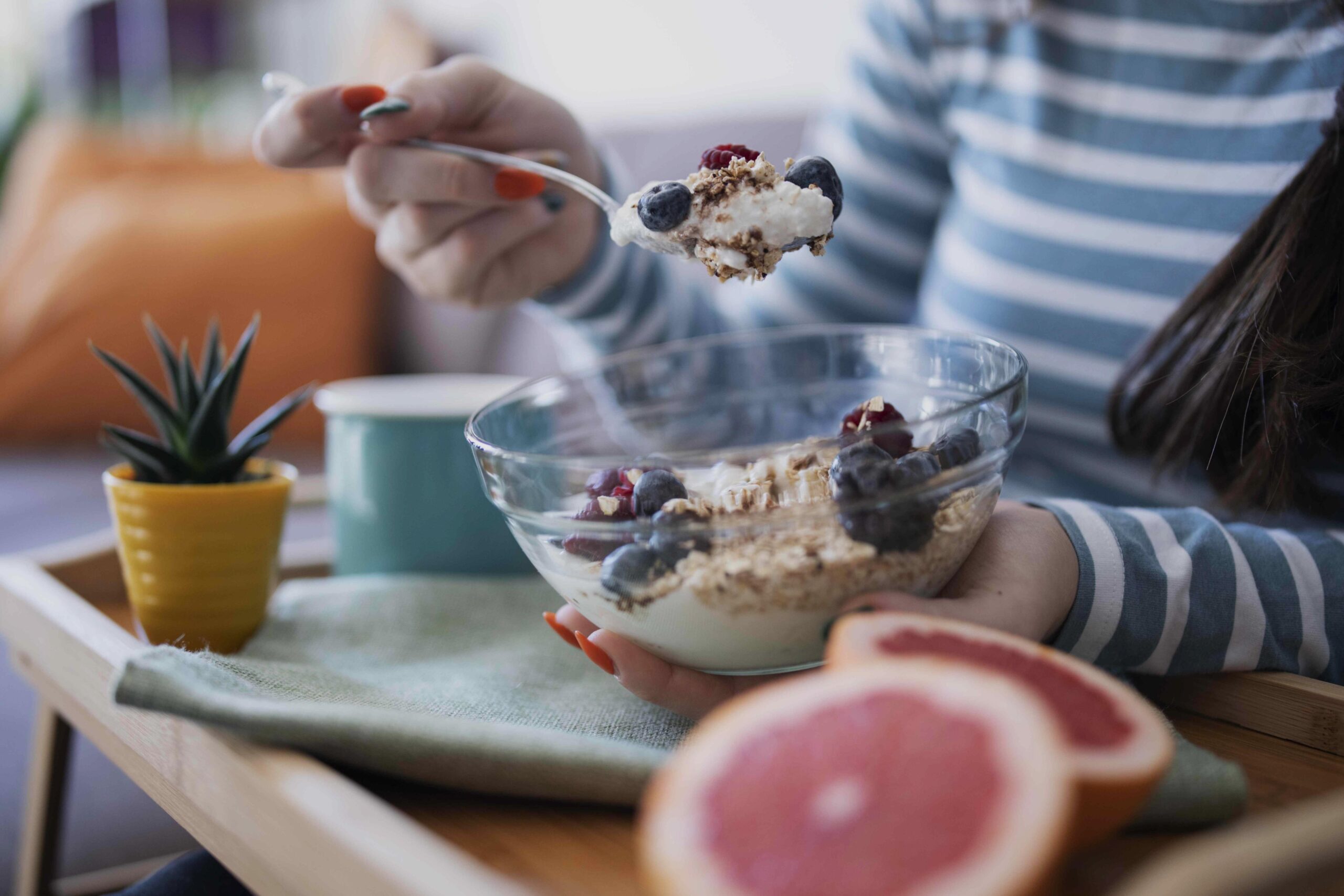
This yogurt delivers more than twice the protein of regular yogurt, which boosts satiety. Pair it with berries for added fiber and antioxidants. -
Low-Fat Cottage Cheese (180 calories per 1-cup serving)
With 25 grams of protein per cup, cottage cheese is highly satisfying. Combining it with fruit increases fullness and adds nutrients. -
Leafy Greens (5-9 calories per 1-cup serving)
You can eat large portions of spinach, kale, or other greens for minimal calories. Fiber slows digestion, reducing hunger. Add them to salads, smoothies, or wraps. -
Air-Popped Popcorn (30 calories per 1-cup serving)
Crunchy, whole-grain, and fiber-rich, popcorn delivers satisfaction without the calorie load. Season it with herbs or spices instead of butter. -
Oatmeal (150 calories per half-cup serving)
Oats contain beta-glucan, a soluble fiber that supports heart health and keeps you full longer. They provide about 13% of your daily fiber needs in one serving. -
Berries (30-40 calories per half-cup serving)
Strawberries, blueberries, raspberries, and more are low in calories but loaded with antioxidants and fiber. Their high water content also contributes to fullness. -
Watermelon (25 calories per half-cup serving)
Over 90% water, watermelon is naturally hydrating and filling. It also delivers lycopene and vitamin C, supporting heart health and immunity. -
Celery (18 calories per two large stalks)
This crunchy snack is mostly water, promoting fullness. Pair it with nut butter or hummus for added protein and fat. -
Zucchini (27 calories per 1 cup, sliced)
Mild in flavor and over 90% water, zucchini adds bulk to meals without significantly increasing calories. It also provides fiber, vitamin C, and potassium.
Why This Matters
These foods aren’t just about cutting calories; they’re about sustainable eating. Diets focused on nutrient-dense, low-calorie options can support weight management, improve digestion, and lower the risk of chronic diseases. The modern food landscape often prioritizes calorie density over nutritional value. By choosing these foods, you’re taking control of your health and reducing reliance on processed, high-calorie alternatives.
Practical Tips
- Prioritize protein: Include at least one protein source in every meal.
- Load up on fiber: Fill half your plate with non-starchy vegetables.
- Hydrate: Drink water before and during meals to enhance fullness.
- Snack smart: Choose these low-calorie options over sugary or processed snacks.
These foods are a simple, effective way to eat well without feeling deprived. By incorporating them into your diet, you can support weight management, boost nutrient intake, and improve your overall health.